
16 Mar How Retainers Support Long-Term Oral Hygiene and Dental Stability
Finishing braces or clear aligner treatment often feels like the end of the orthodontic journey. In reality, it marks the beginning of a new stage that is just as important. Orthodontists call this the retention phase, and it focuses on maintaining the results achieved during treatment. Straight teeth look great, but they also improve daily oral hygiene and support long-term dental stability.
Teeth do not instantly settle into their new positions after braces come off. The surrounding bone, ligaments, and gum tissues need time to adjust and strengthen. Without proper support during this period, teeth can gradually drift back toward their original alignment.
This is why orthodontists recommend retainers immediately after treatment. The appliance keeps teeth in place while the mouth stabilizes. Communities such as Minnetonka, Minnesota, where many families prioritize preventive dental care and orthodontic treatment, often see patients continue follow-up care long after braces are removed. Maintaining results requires a combination of consistent retainer use, good oral hygiene, and professional monitoring.
Preventing Relapse: Why Teeth Tend to Shift Back
After orthodontic treatment, the tissues surrounding each tooth still remember their previous position. The periodontal ligaments that connect teeth to the jawbone remain slightly elastic, which allows them to pull teeth back if there is no stabilizing support. This natural tendency is known as orthodontic relapse.
To prevent this shift, orthodontists prescribe retainers that hold teeth in their corrected alignment. If you want to get retainers in Minnetonka, there are many orthodontic professionals who have years of experience.
Bone Density and Periodontal Health During Retention
Orthodontic treatment works by gradually moving teeth through the jawbone. As this happens, the bone temporarily softens and remodels around each tooth. Once treatment ends, the bone needs time to rebuild and become dense again in the new positions.
Retainers provide the stability required during this healing process. By keeping teeth steady, they allow the jawbone and surrounding tissues to adapt without stress or shifting. This support also protects the gums and ligaments, helping maintain a balanced bite and reducing the risk of future dental complications.
Hygiene Benefits of Maintaining Proper Tooth Alignment
One major long-term advantage of orthodontic treatment is better oral hygiene. When teeth are properly aligned, brushing and flossing become more effective and easier to perform consistently. Straight teeth also reduce cramped areas where plaque and food debris tend to collect, helping maintain healthier teeth and gums over time.
Retainers help preserve that alignment over time. By preventing crowding from returning, they allow daily cleaning routines to remain effective. This simple consistency reduces the risk of cavities, gum inflammation, and tartar buildup, ultimately supporting better oral health well beyond the orthodontic treatment phase.
Choosing the Right Type: Fixed vs. Removable Retainers
Orthodontic retainers typically fall into two main categories: fixed and removable. Fixed retainers consist of a thin wire securely attached to the backs of the lower front teeth. Since they remain in place throughout the day, they provide constant support and eliminate the possibility of forgetting to wear the appliance.
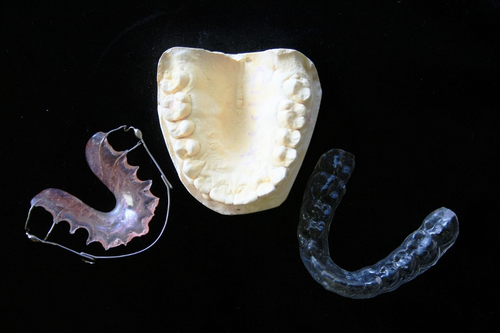
Removable retainers, such as Essix or Hawley designs, offer more flexibility. Patients can remove them while eating and brushing, which simplifies daily hygiene routines. However, removable appliances require discipline. Wearing them as directed is essential because inconsistent use can allow teeth to shift out of alignment gradually.
The Impact of Tooth Alignment on Overall Health
Proper tooth alignment does more than improve appearance. Straight teeth create fewer areas where plaque and bacteria can hide. This helps reduce the likelihood of gum inflammation, cavities, and tartar buildup that often develop around crowded or overlapping teeth.
Oral health also connects closely with overall health. Studies have linked gum disease to conditions such as cardiovascular disease and diabetes. By helping maintain alignment and supporting cleaner teeth and gums, retainers indirectly contribute to better long-term health outcomes.
Maintenance, Monitoring, and When to Replace a Retainer
Like any dental appliance, retainers require routine care and occasional replacement. Over time, plastic retainers may crack or lose their shape, while bonded wires can loosen. If a retainer begins to feel tight, uncomfortable, or noticeably worn, it may no longer be maintaining the correct tooth position.
Regular check-ins with an orthodontic professional help identify these issues early. During these visits, the provider can evaluate tooth stability and confirm that the retainer still fits correctly. Professional monitoring ensures that the appliance continues to support alignment without causing irritation or unwanted movement.
Staying consistent with retainer use protects the time, effort, and financial investment involved in braces or aligners. With proper care and regular professional guidance, patients can maintain their orthodontic results while supporting healthier teeth and gums for years to come.
—
The information on MedicalResearch.com is provided for educational purposes only, and is in no way intended to diagnose, cure, or treat any medical or other condition. Some links may be sponsored. Product, services and providers are not warranted or endorsed.
Always seek the advice of your physician or other qualified health and ask your doctor any questions you may have regarding a medical condition. In addition to all other limitations and disclaimers in this agreement, service provider and its third party providers disclaim any liability or loss in connection with the content provided on this website.
Last Updated on March 16, 2026 by Marie Benz MD FAAD