
27 Apr A Fresh Look at Massage Care in St. George and Modern Bodywork
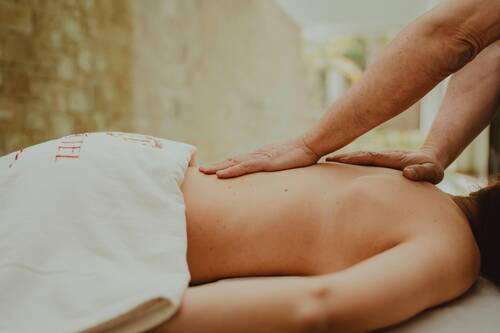
Pexels image
Massage has been part of human care for thousands of years. From ancient bathhouses to quiet rooms in modern cities, hands-on touch has stayed relevant. People turn to massage for comfort, recovery, and moments of calm. This article explains how massage works, what styles exist, and how people use it as part of regular self-care.
The sections below share history, science, and real-life examples. Clear terms and short explanations keep the topic easy to follow.
A Brief History of Massage Practice
Massage appears in early records from China, Egypt, and Greece. Written texts from China date back more than 2,000 years and describe rubbing and pressing methods. In ancient Greece, athletes received massage before and after events. Hippocrates, often called the father of medicine, wrote about rubbing as a form of care.
Over time, massage shifted with culture and medicine. In the 19th century, Swedish physician Per Henrik Ling helped shape modern Western massage. His system focused on strokes, movement, and pressure. Many techniques used today trace back to that work.
How Massage Affects the Body
Massage uses touch to influence muscles, skin, and connective tissue. Connective tissue includes fascia — the thin layers that wrap muscles and organs. When pressure and movement reach these layers, the body often responds in several ways, including increased blood flow to soft tissue, loosening of tight muscle fibers, and reduced stiffness near joints.
The nervous system also plays a role. Studies from institutions such as Harvard Medical School note that massage can lower heart rate and calm the stress response. This reaction links to the parasympathetic nervous system, which supports rest and digestion.
Understanding Key Terms
Some terms appear often in massage settings. Fascia refers to the thin tissue that surrounds muscles. A trigger point is a small tight spot within a muscle. Effleurage describes a long, gliding stroke, while petrissage refers to a kneading or lifting motion. These words describe how touch is applied rather than any special equipment.
| Term | Simple Meaning |
|---|---|
| Fascia | Thin tissue that surrounds muscles |
| Trigger point | Small tight spot in a muscle |
| Effleurage | Long, gliding stroke |
| Petrissage | Kneading or lifting motion |
Common Massage Styles Explained
Swedish Massage
This style uses smooth strokes and gentle pressure. Many first-time clients start here. Sessions often aim for relaxation and light muscle relief.
Deep Tissue Massage
Deep tissue work reaches lower muscle layers. Pressure feels stronger and slower. Athletes and people with long-term muscle tension often choose this approach.
Sports Massage
Sports massage blends techniques from several styles. Sessions often focus on muscles used in specific activities. Runners, swimmers, and cyclists use this method around training schedules.
Thai Massage
Thai massage uses stretching and guided movement. The client stays clothed and lies on a mat. The therapist uses hands, elbows, and body weight to assist movement.
A Closer Look at Daily Life Use
Massage is not limited to injury recovery. Many people schedule sessions as part of a routine. Office workers with desk jobs often report neck and shoulder tension, and massage sessions can target these areas through focused work.
A practical example illustrates how massage fits into daily life. A middle-aged office worker experiences tight shoulders after long hours at a computer. Weekly stretching helps but does not solve the issue. A monthly massage session focuses on the upper back and neck. After several visits, stiffness reduces and posture improves — showing how massage can support other habits like stretching and movement.
Mental and Emotional Effects
Touch influences more than muscles. Research published in journals such as Psychology Today notes that massage can reduce perceived stress. Cortisol, a hormone linked to stress, often drops after sessions. Some people report better sleep following massage, while others describe improved mood. These responses vary from person to person, but share a common factor: calm sensory input and focused attention on the body.
Dr. Tiffany Field of the Touch Research Institute has stated that massage therapy can reduce anxiety and depression while improving immune function. Her research team has studied touch for decades.
Choosing a Massage Setting
The setting shapes the experience. Clean spaces, clear communication, and trained practitioners matter. Before a session, clients usually fill out a short form covering health history and comfort preferences. Key points to check include training or certification background, clear pricing and session length, and a willingness to answer questions. Open communication helps sessions stay safe and effective.
Massage and Physical Activity
Massage often pairs with movement. Runners use it to ease muscle soreness in calves and hamstrings. People who lift weights use it to support recovery, focusing on the back and shoulders. Yoga practitioners often target the hips and spine, while desk workers benefit most from attention to the neck and upper back. This pairing shows how massage adapts to a wide range of lifestyle needs.
| Activity Type | Common Massage Focus |
|---|---|
| Running | Calves, hamstrings |
| Weight training | Back, shoulders |
| Yoga | Hips, spine |
| Desk work | Neck, upper back |
Cost, Frequency, and Expectations
Prices vary by location and session length. Short sessions last about 30 minutes, standard sessions last 60 minutes, and longer sessions reach 90 minutes or more. Frequency depends on personal goals — some people attend monthly while others prefer weekly sessions for short periods. Clear expectations help avoid disappointment. Massage supports wellness, yet it does not replace medical care.
Integrating Massage Into Self-Care
Self-care includes many actions — hydration, movement, sleep, and social time all play roles. Massage fits as one piece of a larger picture. People often prepare for sessions by drinking water and arriving early. After sessions, light movement helps the body adjust. Listening to physical signals matters.
For readers curious about learning more, general information about massage approaches can be found through public health libraries and educational articles. Resources that discuss bodywork trends — including conversations about massage in St. George and similar communities — offer a starting point for exploring local options.
Final Thoughts
Massage blends history, science, and human touch. It serves athletes, office workers, and retirees alike. Readers who want deeper understanding can explore anatomy basics or read peer-reviewed studies on touch therapy. Talking with trained practitioners also adds clarity. With informed choices, massage becomes a supportive part of regular care rather than a mystery.
Disclaimer: The information on MedicalResearch.com is provided for educational purposes only, and is in no way intended to diagnose, cure, or treat any medical or other condition. Some links are sponsored. Products, services and providers are not warranted or endorsed by MedicalResearch.com or Eminent Domains Inc. Always seek the advice of your physician or other qualified health and ask your doctor any questions you may have regarding a medical condition. In addition to all other limitations and disclaimers in this agreement, service provider and its third party providers disclaim any liability or loss in connection with the content provided on this website.
Last Updated on April 27, 2026 by Marie Benz MD FAAD