
12 May The Science Behind Copper Peptides for Skin and Hair Benefits
Please note: Supplements are generally not FDA tested or approved. Some supplements can interfere with medications including blood pressure meds and anticoagulants. Do not delay seeking medical attention for medical concerns by taking supplements without medical advice. Combining supplements can increase the risk of toxicity and side effects. Statements and product contents have not been independently confirmed by MedicalResearch.com or Eminent Domains Inc. Please discuss any and all supplements you take or are considering taking with your health care provider. Ratings in this post are the opinions of the contributing writer and not MedicalResearch.com or Eminent Domains Inc. GHK-Cu is NOT FDA approved for oral use and is sold for topical use only. Do not use peptides in any form without the express approval of your medical provider. Most injectable or oral peptides are not legally dispensed for non-research purposes.
Copper peptides are gaining traction in skincare and haircare for their ability to revitalize skin and support hair growth. To understand what sets copper peptides apart, it’s crucial to examine the scientific research and their growing popularity in beauty routines. A detailed GHK-Cu peptide research guide can help consumers integrate these ingredients more effectively.
Designed to work at the cellular level, copper peptides play vital roles in supporting youthful skin and encouraging healthy hair. Exploring the mechanisms behind these compounds offers practical insights for consumers and explains why they are included in many modern formulations.
As experts and dermatologists highlight the science behind copper peptides, it’s essential for users to understand product selection, proper integration into routines, and common considerations. Drawing from reputable studies and professional recommendations, this article provides everything you need to know about optimizing your use of copper peptides.
For a more comprehensive look into research and detailed application, check the GHK-Cu copper peptide complete guide, which offers expanded information for anyone interested in the benefits and best practices for use.
What Are Copper Peptides?
Copper peptides are natural complexes composed of copper ions bonded with small protein fragments called peptides. Among the different forms, GHK-Cu (glycyl-L-histidyl-L-lysine) is the most extensively studied. These peptides are vital for processes such as tissue regeneration and anti-inflammatory support, and are present in fluids such as plasma and saliva. Over time, the body’s natural supply of copper peptides declines, which researchers believe is linked with visible signs of aging, such as decreased skin resilience and slower healing.
How Do Copper Peptides Work?
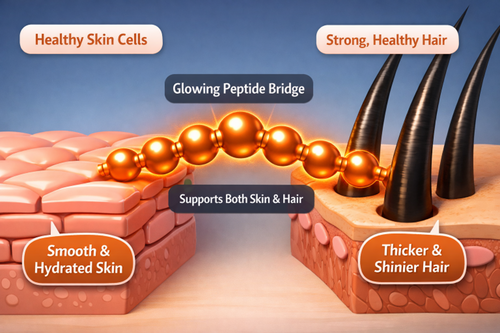
The activity of copper peptides centers on their role as signaling molecules in the skin and hair. They stimulate the production of essential proteins, such as collagen and elastin, which form the structural backbone of youthful skin. Copper peptides also act as antioxidants, neutralizing free radicals and reducing oxidative damage, which may help slow the skin’s aging process. Another key action involves increasing levels of glycosaminoglycans, such as hyaluronic acid, which contribute to robust hydration and improved skin texture.
Benefits for Skin Health
Copper peptides offer several notable benefits that make them a valuable asset in skincare routines:
- Enhanced Collagen Production: When collagen synthesis is stimulated, the skin may regain firmness and density, which may help to reduce fine lines and wrinkles. This makes copper peptides a top recommendation for anti-aging products.
- Improved Skin Elasticity: Their role in promoting elastin production may help the skin retain its spring and resilience, further minimizing visible signs of sagging.
- Accelerated Wound Healing: Clinical research suggests that copper peptides may accelerate healing of minor injuries, abrasions, and even acne, thanks to their regenerative properties.
- Antioxidant Protection: These peptides protect against environmental stressors, including pollution and UV radiation, which may help preserve a youthful appearance and even tone.
Benefits for Hair Health
The advantages of copper peptides extend to scalp and hair care, providing support for thicker, healthier hair in several ways:
- Stimulation of Hair Growth: By enhancing blood circulation and signaling follicles to enter the growth phase, copper peptides may help stimulate hair regrowth and increase density.
- Strengthening Hair Strands: Incorporating copper peptides may help reinforce hair strands, reducing breakage and strengthening hair overall.
- Reduction of Hair Loss: Regular use of copper peptides may prolong the hair follicle’s growth phase, reducing shedding and supporting fuller-looking hair.
Incorporating Copper Peptides into Your Routine
Optimizing the use of copper peptides, such as GHK-Cu, in skincare and haircare regimens involves several key steps. Firstly, selecting quality products from reputable brands is essential, ensuring that copper peptides are clearly identified as active ingredients. Secondly, consistent application is vital; for skincare, they should be used after cleansing and prior to moisturizing, while for haircare, they are best applied through scalp serums and sprays. Lastly, monitoring progress is important; visible results may start to appear within several weeks, but are usually most apparent after continued use over a few months.
Potential Side Effects and Considerations
Copper peptides are generally safe for most users, but a small percentage may experience irritation, dryness, or redness, particularly when first introducing the ingredient. Performing a patch test and following recommended application frequencies can help minimize these risks. It is also important to avoid overuse, which can sensitize the skin. For those with specific concerns or skin conditions
, consultation with a dermatologist before starting a new routine is always recommended.
Conclusion
The broad utility of copper peptides in both skincare and haircare is being investigated by a growing body of scientific research and real-world results. Their ability to encourage collagen production, improve skin and hair resilience, and accelerate healing highlights their appeal as multi-functional ingredients. By understanding both the science and application best practices, users can make informed decisions, maximizing the visible benefits while minimizing side effects.
Disclaimer: The information on MedicalResearch.com is provided for educational purposes only, and is in no way intended to diagnose, cure, or treat any medical or other condition. Some links are sponsored. Products, services and providers are not warranted or endorsed by MedicalResearch.com or Eminent Domains Inc. Always seek the advice of your physician or other qualified health and ask your doctor any questions you may have regarding a medical condition. In addition to all other limitations and disclaimers in this agreement, service provider and its third party providers disclaim any liability or loss in connection with the content provided on this website.
Last Updated on May 12, 2026 by Marie Benz MD FAAD