
12 Oct Why Hands-On Skills Still Matter in Human and Animal Healthcare
A textbook can explain how to recognize pain. A video can demonstrate how to handle a frightened animal. But what happens when a patient reacts unexpectedly, a client feels uncomfortable, or a routine procedure does not go as planned?
These situations reveal something important about healthcare: knowing what to do and being able to do it are two different skills.
As digital learning and medical technology continue to evolve, practical experience remains an essential part of preparing professionals to provide safe, compassionate care.
Why Is Hands-On Training Important in Healthcare?
Healthcare rarely follows a perfect script. Patients have different needs, animals may respond unpredictably, and professionals must often make decisions while managing stress.
Hands-on training allows students to practice applying theoretical knowledge in supervised environments.
It helps develop abilities that are difficult to build through reading alone:
- Observation: Recognizing changes in behavior, movement, or physical condition.
- Communication: Explaining procedures and responding to concerns.
- Technical skills: Practicing equipment use and appropriate care techniques.
- Adaptability: Adjusting when situations do not unfold as expected.
- Patient safety: Recognizing risks and following established precautions.
These skills become particularly important when working directly with people or animals.
How Do Practical Skills Improve Animal Healthcare?
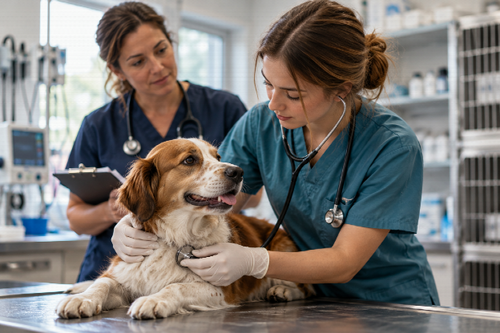
Imagine bringing a nervous dog into a veterinary clinic. The animal cannot explain where it hurts, and unfamiliar surroundings may increase its anxiety.
Veterinary teams must rely on careful observation, appropriate handling, and an understanding of animal behavior.
For individuals considering veterinary assistant programs, practical training can introduce essential responsibilities such as safely handling animals, maintaining clean treatment areas, preparing equipment, and supporting veterinary professionals.
Learning these skills under supervision helps students understand how classroom concepts translate into everyday animal care.
Why Does Hands-On Experience Matter in Massage Therapy?
Massage therapy presents a different challenge: understanding how physical contact affects the human body.
Knowing the names of muscles is useful, but applying appropriate pressure, recognizing discomfort, and adjusting techniques require guided practice.
A massage therapy program that incorporates practical instruction can help students connect anatomical knowledge with professional techniques and client safety.
Hands-on learning is particularly valuable for developing:
- Body mechanics and appropriate pressure control.
- Awareness of client comfort and boundaries.
- Recognition of situations requiring modifications or referrals.
These abilities support more thoughtful, individualized care. Most U.S. states regulate massage therapy, and the BLS (Bureau of Labor Statistics) outlines typical education and licensing requirements for the profession.
Can Technology Replace Practical Healthcare Training?
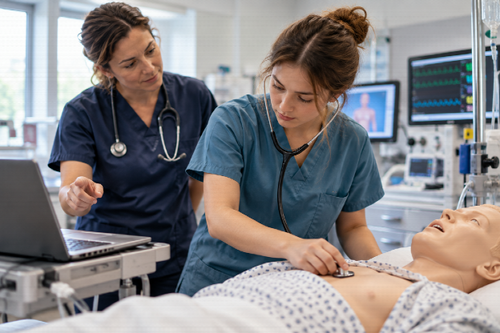
Simulation software, virtual classrooms, and instructional videos offer valuable educational opportunities. Students can review procedures, explore anatomy, and practice decision-making without exposing patients to unnecessary risks.
However, technology works best as a complement to supervised experience rather than a complete replacement.
A simulation can demonstrate a technique. Real-world practice teaches students how to respond when circumstances change.
What Should Students Look for in Healthcare Training?
Before choosing a healthcare education pathway, prospective students should consider three questions:
- Does the curriculum include supervised practical instruction?
- Will students receive feedback on their technique and safety practices?
- Are learning activities connected to realistic workplace responsibilities?
The goal of healthcare education is not simply to remember information. It is to apply knowledge responsibly when someone needs care.
Whether supporting a veterinary team or working with massage therapy clients, practical skills remain an important bridge between education, confidence, and safe professional practice.
For a closer look at massage in everyday wellness, see this MedicalResearch.com overview of massage care and modern bodywork.
The information on MedicalResearch.com is provided for educational purposes only, and is in no way intended to diagnose, cure, or treat any medical or other condition. Some links are sponsored. MedicalResearch.com and Eminent Domains Inc. do not warrant or endorse products or claims made by third party links. Always seek the advice of your physician or other qualified health provider and ask your doctor any questions you may have regarding a medical condition. In addition to all other limitations and disclaimers in this agreement, service provider and its third party providers disclaim any liability or loss in connection with the content provided on this website.
Last Updated on October 12, 2026 by Marie Benz MD FAAD