
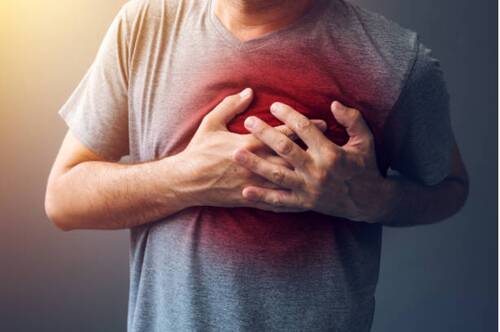
01 Oct Common Warning Signs Doctors May Miss During a Heart Attack
Emergency and Legal Notice: If you or someone near you has symptoms of a possible heart attack, call 911 immediately. Do not wait to see if symptoms pass, and do not drive yourself to the hospital. This article provides general information only and is not medical or legal advice. Law firms and other providers mentioned or linked in this article are not warranted or endorsed by MedicalResearch.com or Eminent Domains Inc. Consult a qualified attorney about the specific facts of any potential legal claim.
Philadelphia is home to major hospitals, medical centers, and busy communities serving patients from across the city and surrounding areas. As a major city in southeastern Pennsylvania, Philadelphia sees people traveling throughout its neighborhoods and nearby communities for work, services, and medical care. With people seeking emergency care for conditions such as heart attacks, recognizing symptoms early can be critical to getting timely treatment.
Recognizing the warning signs of a heart attack can help people seek emergency care without delay. While chest discomfort is common, heart attacks may also cause less obvious symptoms such as unusual fatigue, shortness of breath, nausea, sweating, or discomfort in the arm, back, neck, or jaw. Because these signs can resemble other conditions, recognizing them early is important.
When a patient or family believes a serious cardiac condition was overlooked, speaking with a heart attack misdiagnosis lawyer in Philadelphia may help them understand whether the care provided met the appropriate medical standard.
Chest Discomfort Can Have Different Forms
Chest pain or pressure is one of the best-known signs of a heart attack, but it does not always feel severe. Some people describe pressure, tightness, squeezing, fullness, or burning instead of sharp pain. The discomfort may also come and go. A patient may briefly feel better and assume the problem is minor. This can make it harder to recognize a potentially serious cardiac event.
Healthcare providers must consider the patient’s symptoms along with their medical history, physical examination, and diagnostic testing. A complaint that does not fit the classic description of chest pain should not automatically rule out a heart attack.
Shortness of Breath May Be the Main Symptom
Some patients experience significant shortness of breath without obvious chest pain. The person may feel unable to take a full breath, become unusually winded, or have difficulty performing normal activities.
Shortness of breath can have many possible causes, including respiratory conditions, anxiety, infection, and heart problems. Because of this, healthcare providers may need to evaluate the symptom in context rather than assuming a less serious explanation.
When shortness of breath occurs suddenly or alongside other possible heart attack symptoms, prompt medical evaluation is important.
Pain Can Appear Outside the Chest
Heart attack symptoms can sometimes involve other areas of the body. A patient may experience discomfort in the arm, shoulder, back, neck, jaw, or upper abdomen. These symptoms can be especially confusing when chest discomfort is absent or mild.
Someone experiencing jaw or back pain may not immediately connect the symptom with a cardiac problem. A complete evaluation should consider the overall pattern of symptoms. The location of pain alone may not tell a provider whether the underlying cause is cardiac.
Nausea, Sweating, and Dizziness Can Be Overlooked
Nausea, vomiting, cold sweating, dizziness, or unusual weakness can occur during a heart attack. These symptoms may resemble gastrointestinal illness or other common conditions.
A patient who arrives at an emergency department mainly complaining of nausea or weakness may therefore require careful assessment to determine whether a cardiac problem could be involved. Sudden unexplained sweating or dizziness can be particularly concerning when combined with chest discomfort, breathing difficulties, or pain in another part of the body.
Unusual Fatigue May Matter
Some people experience unusual or extreme tiredness before or during a heart attack. The fatigue may be much greater than expected from normal activity. This symptom can be easy to dismiss, especially when there is no obvious chest pain. A person may believe they simply need rest and delay seeking medical attention.
Fatigue by itself does not prove that a heart attack is occurring. However, sudden or unexplained fatigue combined with other concerning symptoms should receive prompt medical attention.
Symptoms Can Differ Among Patients
Heart attack symptoms are not identical for everyone. Older adults, women, and people with certain medical conditions such as diabetes may experience symptoms that are less typical. Some patients may have relatively mild symptoms, while others develop severe and unmistakable pain.
This is one reason medical evaluation requires more than matching a patient to a single textbook symptom. Providers may need to consider risk factors, medical history, examination findings, and appropriate testing.
When a patient presents with concerning symptoms and a heart attack is not identified, the timing and quality of the evaluation can become important when reviewing what happened.
Key Takeaways
- Heart attacks do not always cause severe or classic chest pain.
- Shortness of breath can sometimes be a major warning sign.
- Pain may occur in the arm, back, neck, jaw, shoulder, or upper abdomen.
- Nausea, sweating, dizziness, and unusual fatigue can also occur.
- Symptoms can vary significantly between patients.
- Anyone with possible heart attack symptoms should call 911 right away.
The information on MedicalResearch.com is provided for educational purposes only, and is in no way intended to diagnose, cure, or treat any medical or other condition. Some links are sponsored. MedicalResearch.com and Eminent Domains Inc. do not warrant or endorse products or claims made by third party links. Always seek the advice of your physician or other qualified health provider and ask your doctor any questions you may have regarding a medical condition. In addition to all other limitations and disclaimers in this agreement, service provider and its third party providers disclaim any liability or loss in connection with the content provided on this website.
Last Updated on October 1, 2026 by Marie Benz MD FAAD