
16 Nov Does Astragalus Support the Immune System? History, Research, and Who Should Skip It
Supplement Notice: These products have not been evaluated by the FDA and are not intended to diagnose, treat, cure, or prevent any disease or health condition. Supplements are not a substitute for regular medical checkups or professional healthcare. Do not delay seeking medical evaluation or treatment by taking supplements. Some supplements should not be taken if you are pregnant, nursing, or may become pregnant. Supplements may interact with prescription medications and other drugs — always inform your physician or qualified healthcare provider about any and all supplements you are taking. Always consult your healthcare provider before beginning any new supplement regimen, especially if you have an existing health condition or take other medications. People with autoimmune disease or who take immunosuppressive medication should speak with their doctor before using astragalus. Herbal tinctures typically contain alcohol.
Ask a room of herbalists what they reach for at the first scratch in the throat, and many will say echinacea. Ask what they suggest for someone who seems to catch every cold that circulates through the office, and the conversation often turns to astragalus.
The root of Astragalus membranaceus, called huangqi in Chinese medicine, has a long history as a daily tonic, which gives it a different rhythm from the fast-acting herbs people usually associate with immune support.
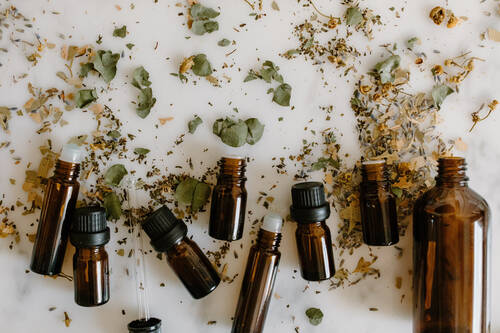
Photo by Tara Winstead via Pexels
A High-Grade Herb in the Oldest Chinese Materia Medica
A 2023 review in Frontiers in Pharmacology traced huangqi through the written record of Chinese medicine, and the trail begins with the Shennong Ben Cao Jing, a Han dynasty text that ranked it as a high-grade herb, a category traditionally reserved for plants considered suitable for extended use.
Zhang Zhongjing included it in eight formulas in his Golden Chamber around the year 200, and by the Ming dynasty, Li Shizhen’s Compendium of Materia Medica listed it as the leading tonic herb.
The name points to the root’s yellow color and its tonic reputation, and the plant picked up the nickname Little Ginseng of Northeast China along the way.
The Jade Windscreen and the Idea of Protection
Chinese medicine has long described astragalus as a herb that secures the exterior, a phrase that refers to the outermost layer of the body’s defenses. That idea sits at the center of Yu Ping Feng San, usually translated as Jade Windscreen Powder, which combines huangqi with baizhu and fangfeng.
The formula appears in the text Effective Formulae Handed Down for Generations and was used for colds, night sweats, and allergic rhinitis. Its name pictures a screen set against the wind, and in classical theory, wind carries illness inside, so the formula suggests how astragalus was meant to be used as reinforcement before the weather turns.
What Modern Studies Can and Cannot Say
Interest in astragalus has grown among researchers. A 2023 systematic review and meta-analysis in Complementary Medicine Research pooled 19 human studies with 1,094 participants and linked astragalus to higher CD3 counts and a higher CD4/CD8 ratio, both markers of T-cell activity, along with lower levels of several pro-inflammatory cytokines. The authors reported substantial heterogeneity among the included studies, meaning the trials differed widely in design and results.
The National Center for Complementary and Integrative Health describes the research as small and varied and says reliable evidence remains insufficient to know whether astragalus helps with any health condition. Both assessments can stand together, because a shift in immune markers does not automatically translate into fewer colds.
Fitting a Slow Herb Into a Fast Season
Because astragalus has a tonic history, herbalists often suggest taking it steadily through the weeks leading into cold season, while shorter-term herbs such as echinacea suit windows of heavy exposure.
A tincture is easy to build into a routine, since you can drop it into a glass of water or juice with breakfast, and the root’s compounds are drawn out in alcohol.
You may take an astragalus tincture on its own or pair it with other herbal tinctures for immune support during the cold season.
Who Should Check First
The NCCIH (National Center for Complementary and Integrative Health) advises people with autoimmune disease to avoid astragalus because it might worsen symptoms, and anyone taking immunosuppressive medication should ask a health care provider about interactions. Patient with bleeding disorders or anticoagulants, autoimmune conditions, diabetes or blood pressure medications should be especially certain to consult their health care provider.
Reliable safety information for pregnancy and breastfeeding is lacking, and animal research raised a concern about toxicity to the fetus, which makes those good reasons to skip it unless a qualified practitioner guides you.
Start Early and Keep It Steady
Astragalus has earned two thousand years of respect by asking for patience, and that history suggests the best time to begin is before the season turns, when a daily routine is still easy to build. Pair it with steady sleep and a varied diet, give it several weeks, and check in with your practitioner first if you take medication or manage a health condition.
For a broader overview of how exercise supports overall well-being, see this MedicalResearch.com overview of physical exercise and mental wellness.
The information on MedicalResearch.com is provided for educational purposes only, and is in no way intended to diagnose, cure, or treat any medical or other condition. Some links are sponsored. MedicalResearch.com and Eminent Domains Inc. do not warrant or endorse products or claims made by third party links. Always seek the advice of your physician or other qualified health provider and ask your doctor any questions you may have regarding a medical condition. In addition to all other limitations and disclaimers in this agreement, service provider and its third party providers disclaim any liability or loss in connection with the content provided on this website.
Last Updated on November 16, 2026 by Marie Benz MD FAAD