

19 Nov How Digital Doctor Directories Can Help Patients Organise a Consultation
Arranging a medical consultation involves a series of practical decisions before a patient reaches the clinic. Which provider is in the right location? What does the appointment cover? How is the time confirmed? When this information is scattered across different websites and telephone conversations, even a straightforward booking can take considerable effort.
A digital doctor directory can help organise that search. Its value lies in bringing administrative information together and providing a route to the next step. It does not replace clinical judgement or establish which treatment someone needs.
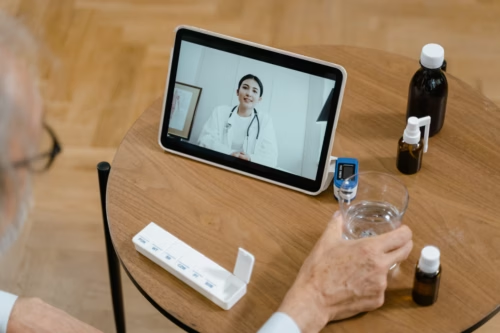
Photo by Tima Miroshnichenko via Pexels
Understanding that distinction helps patients use online tools for the tasks those tools can reasonably support.
Make the Search Specific
People arrive at a directory with different starting points. Some have a referral to a named specialty. Others know which clinic they want to contact or which part of a city they can reach. Before comparing profiles, it helps to identify those practical requirements. A shortlist based on location, appointment type and availability is easier to evaluate than an unrestricted list of names.
If the appropriate specialty is unclear, guidance from a qualified healthcare professional, such as a family doctor, may be needed. A search filter cannot provide an individual assessment. Similarly, a prominent position in a directory should not be treated as proof that one clinician is suitable for every patient. The listing provides information to examine, rather than a conclusion about personal medical needs.
Read the Details Behind a Listing
A useful profile may include the doctor’s specialty, clinic address, consultation languages and appointment information. The important question is what has actually been stated. A translated website does not necessarily mean that every clinician consults in that language. A clinic name alone may not identify the branch where a particular appointment takes place.
Patients can use these details to make a focused list of questions. Confirm the full address, the service offered at that location and any requirements for attending. Where a profile is incomplete, ask the provider directly, including about the doctor’s qualifications if they are not listed. Missing information should not be silently replaced by assumptions about qualifications, services or the arrangements for a visit.
Use Local Platforms in Their Practical Context
Local services can provide a starting point for navigating providers in a particular market. In Uzbekistan, DMED offers a patient-facing service for finding doctors and clinics and arranging appointments online. A patient organising a consultation in Tashkent can use the available listings to explore options and identify the practical details to confirm with a clinic. The WHO (World Health Organization) offers an overview of how digital health tools are being used to support access to care.
The platform’s role should remain distinct from the healthcare provider’s role. Discovery and booking tools help organise access to a consultation. The clinician provides the individual assessment during that consultation. Keeping these responsibilities clear avoids treating a convenient interface as a guarantee about a medical outcome or the suitability of every listed provider.
Check Prices and Booking Status
A displayed consultation fee is most useful when its scope is clear. An initial visit, a follow-up appointment and a procedure may be separate services. Patients should ask what the stated amount covers and whether it is indicative or confirmed. Tests and other services should not be assumed to be included unless the provider has explicitly said so.
It is equally important to distinguish a booking request from a confirmed appointment. Some systems send a request for the clinic to review. Read the response, check how confirmation will arrive and keep the final time and location together. Knowing how to contact the clinic or reschedule prevents an administrative uncertainty from becoming a missed visit.
Prepare Information Without Oversharing
Follow the clinic’s instructions about referrals, identification or previous records. A short note containing the questions you want to discuss, along with a list of current medicines and allergies, can support the conversation. There is no need to create a diagnosis from online searches or arrange additional tests simply to appear prepared.
Private documents should be shared through the process designated by the provider. A general booking enquiry or a public comment field may not be intended for a medical history. If the process is unclear, ask which channel to use before sending sensitive information.
A well-organised appointment begins with clear practical information. Digital directories can make the search easier to structure, while direct confirmation resolves details that a listing cannot answer. Used in that way, an online tool helps a patient move from browsing options to attending a consultation with a clearer understanding of where to go and what to bring.
For a broader overview of digital health, see this MedicalResearch.com overview of digital health and telemedicine research.
The information on MedicalResearch.com is provided for educational purposes only, and is in no way intended to diagnose, cure, or treat any medical or other condition. Some links are sponsored. MedicalResearch.com and Eminent Domains Inc. do not warrant or endorse products or claims made by third party links. Always seek the advice of your physician or other qualified health provider and ask your doctor any questions you may have regarding a medical condition. In addition to all other limitations and disclaimers in this agreement, service provider and its third party providers disclaim any liability or loss in connection with the content provided on this website.
Last Updated on November 19, 2026 by Marie Benz MD FAAD