
25 Jun How to Choose the Best Skilled Nursing Home in St. Louis
Choosing the best skilled nursing home in St. Louis means finding a place where your loved one gets good medical care, staff who actually pay attention, and an environment that doesn’t feel like a waiting room. Those three things together are what you’re looking for. Every facility sounds excellent on paper, and that’s exactly the problem. Many families exploring skilled nursing services for the first time don’t realize how much variation exists between places that look similar from the outside. Staffing ratios, therapy programs, cleanliness, and family communication can differ significantly even within the same city.
Visiting in person, asking direct questions, and talking to people who already have a family member there will tell you more than any brochure ever could. This article will help you choose the best nursing home for your loved ones.
Start With Your Loved One’s Needs
Before comparing facilities, get clear on what kind of care your loved one actually requires. Some people need short-term rehabilitation after surgery or a hospital stay. Others need long-term support because of chronic conditions, limited mobility, or age-related decline.
Knowing this before you start narrows your search and sharpens every question you’ll ask along the way.
Look Beyond the Website
Good photography and polished copy can make any facility look appealing. Don’t stop there.
Read reviews from residents and family members and look for patterns. Repeated complaints about the same issue carry more weight than isolated negative reviews. One bad review is an outlier. Five saying the same thing is a pattern worth taking seriously.
Visit the Facility in Person
Go on a regular weekday, not a scheduled open house. You want to see how the place runs when no one’s putting on a show.
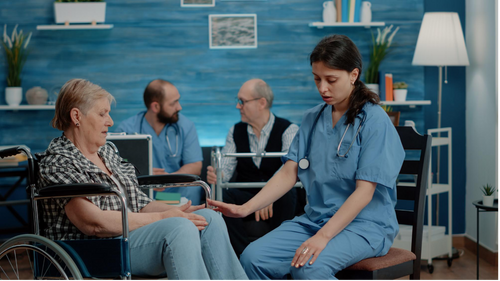
Watch how staff interact with residents.
● Are they patient and attentive, or do they seem rushed?
● Is the facility clean?
● Do residents look comfortable?
Ask yourself whether the place feels like somewhere a person actually lives or purely like a medical setting. That distinction tells you more than most formal criteria will.
Pay Attention to the Staff
Staff quality shapes a resident’s daily experience more than anything else. A well-designed building with indifferent caregivers is a worse choice than a modest facility where staff genuinely know and care for the people in their charge.
● Ask whether registered nurses are on-site around the clock.
● Ask about caregiver-to-resident ratios and how often staff receive training.
● Pay attention to turnover — facilities that retain employees tend to provide more consistent care because caregivers actually know their residents.
Evaluate Rehabilitation Services
If your loved one is recovering from surgery, illness, or injury, the rehabilitation program deserves serious attention.
Good facilities offer physical and occupational and speech therapy. Ask how they build treatment plans, how they track progress, and how they decide when someone is ready to go home or step down to lighter care. You want a program that measures actual results, not just hours logged.
Check Safety Measures
Falls, infections, and medical emergencies are genuine risks. Ask what’s in place to reduce them.
Look for emergency call systems in rooms and bathrooms, handrails throughout hallways and common areas, active fall prevention programs, and documented infection control procedures.
Then ask staff how they respond when an emergency actually happens. How quickly and confidently they answer that question tells you something real about how prepared they are.
Consider Daily Life and Activities
Medical care is a baseline. Residents who stay socially active and physically engaged tend to do better on both counts.
Ask what activities the facility offers, like:
● Exercise programs
● Arts and crafts
● Music
● Religious services
● Group events
● Holiday celebrations
A varied activity schedule contributes to a resident’s sense of connection and purpose, and those aren’t soft benefits. They have a direct effect on long-term well-being.
Don’t Forget About Meals
Nutrition affects health. The dining experience affects morale.
Ask about meal options and how they handle dietary restrictions. If you can, sit in on a mealtime during your visit. Watch whether residents seem satisfied, whether staff help those who need it, and whether the whole thing feels calm rather than rushed.
Talk to Residents and Families
The most useful feedback comes from people who are already living with their decision. Ask to speak with current residents or family members when you visit.
Find out what staff are like on evenings and weekends, not just during business hours. Ask whether concerns get addressed promptly. These conversations cut through the impression a facility tries to manage during a formal tour.
Check the Facility’s Reputation
Look up state inspection reports and healthcare ratings. Ask your loved one’s doctor or a hospital discharge planner for recommendations — they interact with these facilities regularly and often know which ones perform consistently.
A strong track record is evidence of consistency. That’s what matters in a long-term care setting.
Ask About Family Involvement
Good nursing homes make room for families and treat them as partners in care. Regular planning meetings, timely updates when a resident’s health changes, and open communication between staff and family members all make a practical difference in how well individual needs get met. Ask how the facility handles this before you commit.
Choose a Convenient Location
Location is easy to overlook, but it adds up. A facility that’s a long drive away means fewer visits, and fewer visits affect your loved one more than you’d expect. If you’re in St. Louis, St. Louis County, St. Charles, or nearby, pick something you can realistically get to on a weeknight.
Understand the Costs
Ask for a full cost breakdown:
● Monthly fees
● What’s included
● What carries an additional charge
Clarify Medicare coverage, Medicaid eligibility, and whether the facility accepts long-term care insurance. Understanding the financial picture early prevents surprises later.
Trust Your Instincts
After your visits, sit with your overall impression before making a final call. The right facility isn’t always the newest building or the one with the most amenities. It’s the place where your loved one will be genuinely looked after by people who take that responsibility seriously.
If something felt off during a tour, trust that and keep looking. With enough skilled nursing homes in St. Louis to compare, it’s worth taking the time to find the right fit.
Key Takeaways
● Know what your loved one needs before you start looking, like medical care, rehab, or help with daily tasks.
● Visit in person. Don’t choose a facility you haven’t walked through.
● Talk to residents and families already there, not just the admissions coordinator.
● Watch how staff treat people, especially when they don’t think anyone’s paying attention.
● Pick the place that does all of it well, not just the one with the nicest lobby.
Disclaimer: The information on MedicalResearch.com is provided for educational purposes only, and is in no way intended to diagnose, cure, or treat any medical or other condition. Some links are sponsored. Products, services and providers are not warranted or endorsed by MedicalResearch.com or Eminent Domains Inc. Always seek the advice of your physician or other qualified health and ask your doctor any questions you may have regarding a medical condition. In addition to all other limitations and disclaimers in this agreement, service provider and its third party providers disclaim any liability or loss in connection with the content provided on this website.
Last Updated on June 25, 2026 by Marie Benz MD FAAD