
24 Jul How Wireless Handheld Ultrasound Is Changing Point-of-Care Diagnostics
Point-of-care ultrasound (POCUS) has become one of the most significant advances in modern medical imaging. By allowing clinicians to perform ultrasound examinations at the patient’s bedside, it supports faster assessments and more informed clinical decisions. Recent developments in wireless handheld ultrasound technology are making these benefits even more accessible across hospitals, primary care settings, ambulances, and remote healthcare environments.
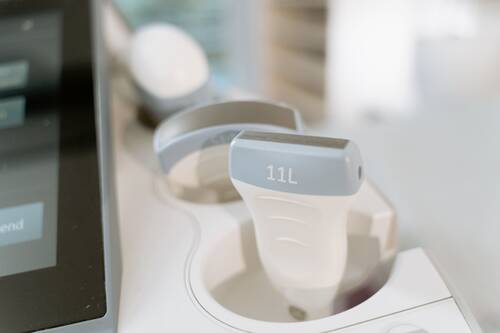
Unlike traditional cart-based ultrasound systems, wireless handheld devices connect to smartphones, tablets, or dedicated displays, providing high-quality imaging in a compact, portable format. As healthcare providers continue to prioritize efficiency and patient-centered care, these devices are changing how diagnostic imaging is delivered. For context on how point-of-care ultrasound is being integrated into medical education and clinical training, see this interview on POCUS as one of the most significant advances in bedside patient care.
Bringing Imaging Directly to the Patient
Wireless handheld ultrasound enables clinicians to perform examinations wherever the patient is located. Whether in an ER, intensive care unit, outpatient clinic, or community healthcare setting, clinicians can obtain real-time images without transporting patients to a dedicated imaging suite. This approach can be especially valuable for critically ill patients, where reducing delays may support faster diagnosis and treatment decisions. Point-of-care imaging also helps streamline clinical workflows by allowing healthcare professionals to combine physical examination with immediate visual assessment.
Expanding Clinical Applications
The versatility of handheld ultrasound continues to grow across multiple medical specialties. Emergency physicians use it to assess trauma patients, detect internal bleeding, and evaluate cardiac function. Primary care clinicians are increasingly using portable systems to investigate abdominal pain, soft tissue conditions, and musculoskeletal injuries. Critical care teams rely on bedside ultrasound to assess lung conditions, guide vascular access procedures, and monitor fluid status. Obstetric, vascular, and anaesthesia specialists are also incorporating handheld imaging into routine clinical practice as technology continues to improve. Portable systems are now recognized as an important component of modern point-of-care ultrasound, with ongoing innovation focused on improving image quality, mobility, and ease of use.
Supporting Faster Clinical Decisions
One of the greatest advantages of wireless handheld ultrasound is the ability to obtain diagnostic information immediately. Instead of waiting for access to larger imaging equipment, clinicians can perform focused examinations during the patient consultation. Research published in European Radiology confirms that point-of-care imaging may help reduce unnecessary referrals, support quicker treatment decisions, and improve communication between healthcare teams. While handheld devices do not replace comprehensive diagnostic imaging when required, they provide valuable information that can guide immediate clinical management.
As more healthcare providers adopt point-of-care ultrasound, selecting equipment that meets both clinical and operational needs becomes increasingly important. Many clinicians note that understanding key factors early on — such as image quality, probe versatility, ease of use, software capabilities, and long-term support — can make a significant difference in both performance and overall value. Healthcare professionals exploring available systems can learn more about a portable ultrasound machine from Marcroft Medical alongside practical guidance on what to look for when choosing a portable ultrasound solution for different clinical environments.
Improving Access to Healthcare
Portable ultrasound technology is also helping expand access to diagnostic imaging outside traditional hospital environments. Rural clinics, mobile healthcare services, humanitarian organizations, and community healthcare providers can now perform ultrasound examinations in locations where conventional systems may not be practical. As telemedicine continues to evolve, handheld ultrasound is increasingly being integrated into remote consultation models, allowing specialists to support examinations performed by clinicians in different locations. This has the potential to improve healthcare delivery in underserved communities while reducing barriers to timely diagnosis.
Looking Ahead
Wireless handheld ultrasound is reshaping point-of-care diagnostics by making medical imaging more flexible, accessible, and responsive to patient needs. As image quality, artificial intelligence, and connectivity continue to advance, these devices are expected to play an even greater role in supporting clinicians across diverse healthcare settings. Rather than replacing traditional ultrasound systems, handheld technology complements existing imaging pathways, giving healthcare professionals another valuable tool to improve patient assessment and clinical decision-making.
Disclaimer: The information on MedicalResearch.com is provided for educational purposes only, and is in no way intended to diagnose, cure, or treat any medical or other condition. Some links are sponsored. Products, services and providers are not warranted or endorsed by MedicalResearch.com or Eminent Domains Inc. Always seek the advice of your physician or other qualified health provider and ask your doctor any questions you may have regarding a medical condition. In addition to all other limitations and disclaimers in this agreement, service provider and its third party providers disclaim any liability or loss in connection with the content provided on this website.
Last Updated on July 24, 2026 by Marie Benz MD FAAD