Author Interviews, Heart Disease, Occupational Health / 08.06.2018

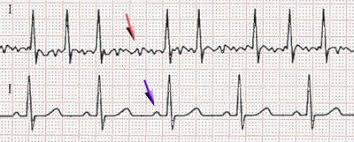
MedicalResearch.com Interview with: [caption id="attachment_42267" align="alignleft" width="354"]atrial-fibrillation Atrial Fibrillation-
Wikipedia[/caption] Eleonor Fransson, PhD Associate Professor in Epidemiology Department of Natural Sciences and Biomedicine School of Health and Welfare JÖNKÖPING UNIVERSITY MedicalResearch.com: What is the background for this study? Response: Atrial fibrillation is a very common heart rhythm disorder affecting a large number of people in the population, but there is limited knowledge about risk factors for the disease. This is especially true when it comes to the role of occupational factors. MedicalResearch.com: What are the main findings? Response: We found that work stress measured as job strain, that is, a combination of having high psychological job demands and low control over the work situation, was associated with almost 50% increased risk of atrial fibrillation. When we combined the results from our study with two previously published studies on the same topic, we found that work stress was associated with 37% increased risk.

Author Interviews, Heart Disease, JACC, Kidney Disease, Mayo Clinic / 21.11.2017

[caption id="attachment_38440" align="alignleft" width="400"]Atrial Fibrillation - Wikipedia image Normal rhythm tracing (top) Atrial fibrillation (bottom) Wikipedia[/caption] Interview with: Dr Xiaoxi Yao PhD Assistant Professor Researcher Mayo Clinic What is the background for this study? What are the main findings? Response: Lifelong oral anticoagulation, either with warfarin or a non-vitamin K antagonist oral anticoagulant (NOAC), is indicated for stroke prevention in most patients with atrial fibrillation (AF). Emerging evidence suggests that NOACs may be associated with better renal outcomes than warfarin. The study found renal function decline is common among patients with atrial fibrillation treated with oral anticoagulants. NOACs, particularly dabigatran and rivaroxaban, may be associated with lower risks of adverse renal outcomes than warfarin.
Thank you for visiting MedicalResearch.com Senior Editor, Marie Benz MD. For more information please email: info@MedicalResearch.com

This website is certified by Health On the Net Foundation. Click to verify. This site complies with the HONcode standard for trustworthy health information:
verify here.