
#ABAtherapy #autism #earlyintervention #appliedbehavioranalysis #TinleyPark #childmentalhealth #autismspectrum @medresearchnews Tag

Editorial Notice: This post is intended for healthcare professionals and is for general information only. Product specifications and intended uses are as described by the manufacturer. Device selection and use should follow current product labeling and instructions for use, clinician training and credentialing requirements, and facility protocols. Products named or linked in this post are not warranted or endorsed by MedicalResearch.com or Eminent Domains Inc.

Healthcare teams evaluating abnormal uterine bleeding and other intrauterine concerns need a practical way to assess the uterine cavity while aligning equipment choices with their clinical setting, planned procedures, and staff workflow.

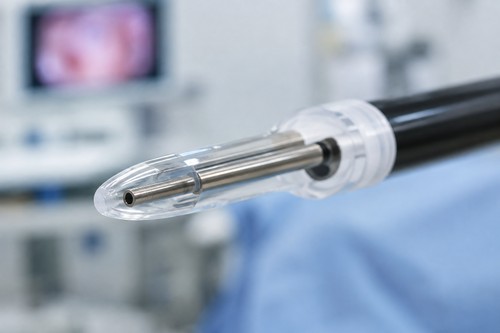
Hysteroscopy enables direct viewing of the cervical canal and uterine cavity. It may be used to investigate causes of heavy or abnormal bleeding and to identify or treat conditions such as polyps, fibroids, adhesions, retained tissue, or a misplaced intrauterine device. The best equipment choice depends on the clinical objective, patient factors, provider training, and the facility's established protocols.

Mental Health Notice: If you are concerned about your child's development, safety, or mental health, contact a qualified healthcare provider as soon as possible. If you are not sure whether your child is safe, contact help immediately. Call 911 in an emergency, or reach the 988 Suicide & Crisis Lifeline by calling or texting 988 (24/7). This post is for background information only and is not a complete guide to autism assessment or ABA therapy.

Early childhood is a period of rapid brain development, when attention, language, movement, and social response are still taking shape. For children with autism, that timing can matter because repeated teaching is more likely to influence daily function while patterns remain flexible. Applied behavior analysis helps break broad goals into small, teachable actions. Families often notice practical changes first, including smoother meals, clearer requests, and less distress during routine transitions.

For a foundational overview of how ABA therapy works and what families can expect, see this guide to what ABA therapy is and how it works.

[caption id="attachment_75248" align="aligncenter" width="500"]early aba therapy Pexels image[/caption]