
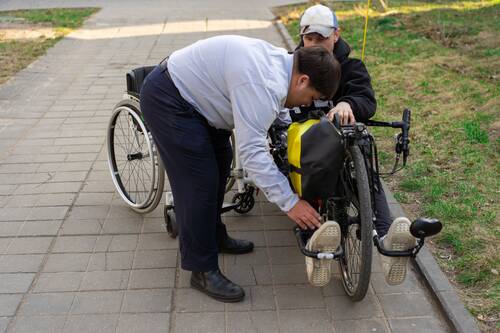
12 Nov How Technology Is Changing Mobility Support for People With Disabilities
Important: This article is for general information only. Choosing a wheelchair, scooter, walker, prosthesis or other mobility device should involve your physician, physical therapist or occupational therapist, who can assess fit, seating, pressure relief and safety for your specific needs.
Editor's note: This article mentions a mobility equipment retailer. Products, services and providers are not warranted or endorsed by MedicalResearch.com or Eminent Domains Inc.
People with mobility limitations, including older adults and people with disabilities, may find it hard to move independently at home, in shopping centers, in parks and in other public spaces. Some find it difficult to walk long distances, others rely on wheelchairs, and some struggle with stairs. Without the right mobility support, everyday activities can become harder. Technology is helping to close that gap through adaptive devices and smart software, making mobility equipment more advanced, more intuitive to use and better suited to independent living.
In this post, we review some of the key innovations in assistive devices that are helping make daily life more accessible.