MedicalResearch.com Interview with:
 Pascal Hänggi, PhD
Chief Scientific Officer
Polyneuron Pharmaceuticals
[caption id="attachment_54617" align="alignleft" width="200"]

Dr. Hänggi[/caption]
MedicalResearch.com: What is the background for this study?
Response: Anti-MAG neuropathy is a rare form of acquired demyelinating neuropathy. The disease onset normally presents after the age of 50 years and is 2.7 times more frequent in men than in women, with a prevalence of about 1 in 100,000. It is caused by the production of monoclonal anti-MAG IgM antibodies that recognize the HNK-1 epitope. The myelin-associated glycoprotein MAG is a mediator for the formation and maintenance of the myelin sheaths. There is strong evidence that the binding and deposition of anti-MAG IgM autoantibodies on myelin sheath is responsible for the demyelination, which clinically manifests itself as a peripheral neuropathy affecting primarily sensory nerves. However, the causes and the exact mechanisms behind the expansion of anti-MAG IgM producing B-cell and plasma cell clones are not fully understood.
Most off-label treatments aim to reduce pathogenic autoantibody titers by depleting autoantibody-producing B cell clones which interfere with antibody-effector mechanisms, or physically remove autoantibodies from the circulation. Most frequently, the anti-CD20 monoclonal antibody rituximab is used to treat anti-MAG neuropathy patients. However, all of these treatment options often lack of selectivity, efficiency, or can induce severe adverse effects in some patients.
Polyneuron has designed PN-1007 to highly selectively target the IgM autoantibodies that cause anti-MAG neuropathy. PN-1007 is a glycopolymer that mimics the natural HNK-1 carbohydrate epitope found on myelin of peripheral nerves and binds to the circulating disease-causing antibodies. By eliminating these pathogenic antibodies, PN-1007 may protect the integrity of the neuronal myelin sheaths of anti-MAG neuropathy patients.


 Eliane Abou-Jaoude, MD
Allergy and Immunology Fellow
Henry Ford Health System
Detroit, Michigan
MedicalResearch.com: What is the background for this study?
Response: Early life exposure to diverse types of microbes is necessary for healthy immune development and may impact the risk for developing allergic disorders.
Theoretically the transfer of parental microbes to their offspring during infancy can influence a child’s developing gut microbiome and subsequent immune response patterns.
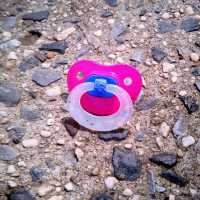
We wished to investigate whether parental pacifier cleaning methods, reported at 6-months of age, were associated with altered serum IgE trajectory over the first 18 months of life.
Eliane Abou-Jaoude, MD
Allergy and Immunology Fellow
Henry Ford Health System
Detroit, Michigan
MedicalResearch.com: What is the background for this study?
Response: Early life exposure to diverse types of microbes is necessary for healthy immune development and may impact the risk for developing allergic disorders.
Theoretically the transfer of parental microbes to their offspring during infancy can influence a child’s developing gut microbiome and subsequent immune response patterns.
We wished to investigate whether parental pacifier cleaning methods, reported at 6-months of age, were associated with altered serum IgE trajectory over the first 18 months of life.