When a loved one develops a bedsore in a nursing home, the instinct is to focus on treatment. Families often miss a second and equally urgent reality: the injury is usually preventable, federal law requires facilities to prevent it, and missing the window to act legally can permanently close the door to accountability.
Bedsores, also known as pressure ulcers or pressure injuries, are one of the most common signs that something might be off in nursing homes and long-term care places. They can be an indicator of potential neglect, even if no one says it out loud.
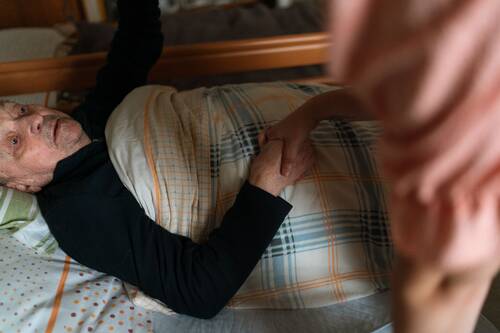
Despite an estimated 4.5% of long-term nursing home patients in the United States, the recent historical records from the Centers for Disease Control and Prevention show that about 11% of nursing home patients had pressure ulcers, totaling approximately 159,000 patients in the whole nation.
When a loved one enters a nursing home, family members expect their loved one to be taken care of. Unfortunately, according to
Morgantown nursing home abuse lawyer Edmund L. Wagoner, Esq., due to systemic understaffing issues and stigma surrounding the level of care for elders, many face abuse and neglect in their daily lives.
Understanding the law's requirements for nursing facilities and what your family can do when they are violated changes what is possible from here.
