Author Interviews, PT-Rehabilitation, Rheumatology / 18.04.2026
Compression Therapy for Knee Osteoarthritis: What the Evidence Shows
[caption id="attachment_73342" align="aligncenter" width="500"]
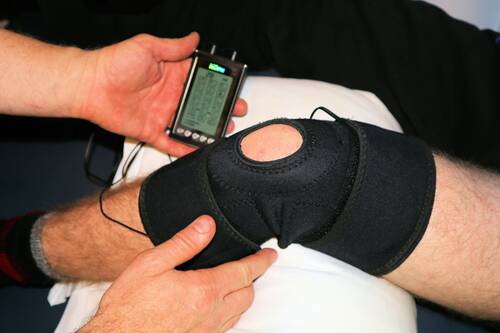
Photo by Terry Shultz P.T. on Unsplash[/caption]
Symptomatic knee osteoarthritis affects roughly 13.8 percent of adults over 40, making it one of the most common causes of chronic joint pain worldwide. As clinicians increasingly prioritize conservative management over early pharmacological intervention, non-pharmacological strategies have gained renewed attention. Among these, compression bracing has emerged as a subject of growing research interest, with recent meta-analyses suggesting measurable benefits for pain, stiffness, and physical function.
A body of evidence now supports the idea that compression knee support shown to improve joint proprioception through stimulation of cutaneous mechanoreceptors surrounding the joint capsule. This mechanism, first described in biomechanical research published in the Journal of Sports Science & Medicine (PubMed 15388537), offers a physiological rationale for what many patients report anecdotally: that wearing a compression sleeve makes the knee feel more stable during movement. For clinicians weighing treatment options, the question is no longer whether bracing has a role in osteoarthritis care, but which type of brace matches a given patient's needs.

Photo by Terry Shultz P.T. on Unsplash[/caption]
Symptomatic knee osteoarthritis affects roughly 13.8 percent of adults over 40, making it one of the most common causes of chronic joint pain worldwide. As clinicians increasingly prioritize conservative management over early pharmacological intervention, non-pharmacological strategies have gained renewed attention. Among these, compression bracing has emerged as a subject of growing research interest, with recent meta-analyses suggesting measurable benefits for pain, stiffness, and physical function.
A body of evidence now supports the idea that compression knee support shown to improve joint proprioception through stimulation of cutaneous mechanoreceptors surrounding the joint capsule. This mechanism, first described in biomechanical research published in the Journal of Sports Science & Medicine (PubMed 15388537), offers a physiological rationale for what many patients report anecdotally: that wearing a compression sleeve makes the knee feel more stable during movement. For clinicians weighing treatment options, the question is no longer whether bracing has a role in osteoarthritis care, but which type of brace matches a given patient's needs.