
18 Apr Compression Therapy for Knee Osteoarthritis: What the Evidence Shows
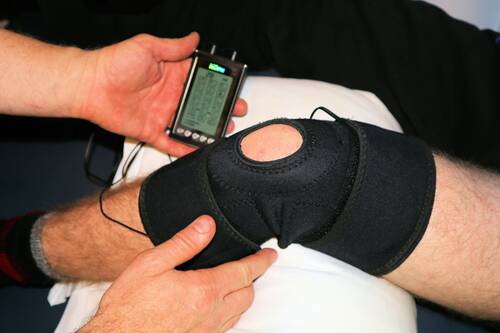
Photo by Terry Shultz P.T. on Unsplash
Symptomatic knee osteoarthritis affects roughly 13.8 percent of adults over 40, making it one of the most common causes of chronic joint pain worldwide. As clinicians increasingly prioritize conservative management over early pharmacological intervention, non-pharmacological strategies have gained renewed attention. Among these, compression bracing has emerged as a subject of growing research interest, with recent meta-analyses suggesting measurable benefits for pain, stiffness, and physical function.
A body of evidence now supports the idea that compression knee support shown to improve joint proprioception through stimulation of cutaneous mechanoreceptors surrounding the joint capsule. This mechanism, first described in biomechanical research published in the Journal of Sports Science & Medicine (PubMed 15388537), offers a physiological rationale for what many patients report anecdotally: that wearing a compression sleeve makes the knee feel more stable during movement. For clinicians weighing treatment options, the question is no longer whether bracing has a role in osteoarthritis care, but which type of brace matches a given patient’s needs.
The Evidence Landscape for Bracing in Knee Osteoarthritis
A 2025 network meta-analysis published in PLOS One (journal.pone.0324864) examined 139 randomized controlled trials comparing interventions for knee osteoarthritis symptoms. The analysis ranked knee braces as the most effective intervention category for symptom reduction, outperforming several pharmacological alternatives on composite outcome measures. While the authors noted variability across brace types and study designs, the aggregate signal was clear: bracing produces clinically meaningful improvements in pain and function for many patients.
A separate scoping review published in Osteoarthritis and Cartilage surveyed 31 randomized controlled trials and identified 47 distinct bracing interventions. The review categorized these into five primary groups: valgus unloader braces, varus braces, patellofemoral braces, neutral hinged braces, and sleeve-type compression supports. Each category demonstrated different levels of evidence for specific outcomes, reinforcing the point that brace selection should be driven by clinical indication rather than generic recommendation.
Across both analyses, bracing was consistently associated with decreases in pain and stiffness, reduced reliance on analgesic medication, and improvements in proprioception, balance, and overall physical function. The evidence is strongest for patients with mild to moderate osteoarthritis who remain physically active or are working to reduce sedentary behavior, which itself is a substantial risk factor for disease progression.
Mechanisms of Action: How Compression Supports the Osteoarthritic Knee
The therapeutic effects of compression bracing operate through several overlapping pathways, each supported by distinct lines of research.
Proprioceptive Enhancement
Osteoarthritis degrades the proprioceptive feedback loops that allow the brain to track joint position in space. Damaged cartilage and inflamed synovial tissue reduce the accuracy of signals from intra-articular mechanoreceptors. Compression applied to the skin surrounding the knee activates cutaneous mechanoreceptors that partially compensate for this deficit. Research published in PubMed (15388537) demonstrated that even mild external compression improved joint position sense in subjects with existing proprioceptive impairment. For patients with osteoarthritis, improved proprioception translates to better balance, more confident gait, and reduced fall risk.
Blood Flow and Inflammation Modulation
Graduated compression gently increases local blood flow to the joint, which serves two purposes. First, enhanced circulation delivers oxygen and nutrients to tissues with limited vascular supply, including the subchondral bone and periarticular soft tissues. Second, improved venous and lymphatic return helps clear inflammatory mediators from the joint space. The 3D compression technology used in products like the Anaconda Knee Brace by Anaconda Performance works on this principle, gently compressing the knee to stimulate blood flow to the joint, which helps reduce inflammation and get more healing nutrients to the area.
Mechanical Stability
Even without rigid structural elements, a well-fitted compression sleeve provides a degree of passive joint support. The elastic resistance of materials such as polyester, nylon, and spandex blends creates a mild restraint against excessive varus or valgus movement. This is not equivalent to the unloading effect of a rigid brace, but for patients with mild instability, it may be sufficient to reduce pain during weight-bearing activities.
Brace Types and Clinical Selection
Not all knee braces serve the same purpose, and the evidence is mixed when brace types are conflated. Proper selection depends on the patient’s diagnosis, symptom severity, activity level, and treatment goals.
Soft Compression Sleeves
These are the most accessible and commonly used bracing option. A systematic review (PMC5709997) found that soft bracing produces immediate, moderate improvement in pain for patients with knee osteoarthritis. Sleeves are lightweight, easy to don and doff, and can be worn under clothing throughout the day. They are best suited for patients with mild to moderate symptoms who need proprioceptive support and gentle compression during daily activities. Products in this category typically use thin, breathable materials in the range of 1 to 2 millimeters thick, with features like rubber inseam grips to prevent migration during movement.
Semi-Rigid Braces
For patients who need more structural support, semi-rigid braces incorporate hinged side stabilizers while retaining some flexibility. A study published in PMC (PMC9274778) found that semi-rigid bracing improved both mobility and pain scores in patients with knee osteoarthritis. These braces are appropriate for moderate symptoms or for patients returning to higher-demand activities such as hiking, gardening, or recreational sports.
Rigid Unloader Braces
Custom-fitted valgus or varus unloader braces use a three-point force system to shift mechanical load away from the affected compartment of the knee. They carry the strongest evidence for unicompartmental osteoarthritis but are also the most expensive, least comfortable, and most likely to present compliance challenges. They are typically reserved for patients with moderate to severe disease who are not yet candidates for surgical intervention.
Choosing the Right Type
The clinical decision should follow a stepwise approach. Patients with early-stage disease and primarily proprioceptive or pain-related complaints often respond well to compression sleeves. Those with documented mechanical malalignment or more advanced joint space narrowing may benefit from semi-rigid or rigid options. Available sizing ranges, such as XS through XXXL, also matter for fit and compliance.
Clinical Implications and Practical Guidance
Bracing as Part of First-Line Conservative Care
International guidelines already recommend exercise, patient education, and self-management as first-line treatment for knee osteoarthritis. Bracing fits naturally within this framework as an adjunct that can improve the patient’s ability to engage in physical activity by reducing pain and improving joint confidence. Given that sedentary behavior accelerates disease progression, any intervention that facilitates movement has downstream benefits beyond direct symptom relief.
Set Realistic Expectations
Compression bracing is not a disease-modifying intervention. It does not reverse cartilage loss or alter the structural progression of osteoarthritis. What it does is provide symptomatic relief, improve functional capacity, and reduce the need for analgesic medications. Patients should understand these boundaries when incorporating bracing into their management plan.
Prioritize Fit and Compliance
The most evidence-supported brace is useless if the patient does not wear it. Comfort, ease of application, breathability, and cosmetic acceptability all influence adherence. Thin-profile compression sleeves with features like omega padding and secure grip systems tend to score well on wearability, which may explain their popularity among patients who use bracing as a daily management tool rather than an episodic intervention.
Monitor and Adjust
Bracing needs may change as the disease progresses or as the patient’s activity level shifts. A patient who starts with a simple compression sleeve may eventually benefit from a braced option with side stabilizers. Regular reassessment ensures the intervention continues to match the clinical picture.
Encourage Movement
The strongest argument for compression bracing may be indirect. By reducing pain and improving proprioception, bracing enables patients to maintain or increase their physical activity levels. Given the well-documented relationship between sedentary behavior and osteoarthritis progression, this downstream effect may be as important as the direct symptomatic benefits.
Looking Ahead
The research base for knee bracing in osteoarthritis has expanded considerably in the past decade. Network meta-analyses of over a hundred trials now position bracing among the most effective conservative interventions available. As evidence continues to accumulate, the field is moving toward more precise matching of brace type to patient profile, which should improve both outcomes and satisfaction.
For clinicians, the practical takeaway is straightforward. Compression bracing is a low-risk, moderate-benefit intervention that deserves a place in the conservative management toolbox for knee osteoarthritis. The key is selecting the right brace for the right patient and integrating it within a broader program of exercise, education, and ongoing clinical monitoring.
Disclaimer: The information on MedicalResearch.com is provided for educational purposes only, and is in no way intended to diagnose, cure, or treat any medical or other condition. Some links are sponsored. Products, services and providers are not warranted or endorsed by MedicalResearch.com or Eminent Domains Inc. Always seek the advice of your physician or other qualified health and ask your doctor any questions you may have regarding a medical condition. In addition to all other limitations and disclaimers in this agreement, service provider and its third party providers disclaim any liability or loss in connection with the content provided on this website.
Last Updated on April 18, 2026 by Marie Benz MD FAAD