Author Interviews, PT-Rehabilitation, Rheumatology / 18.04.2026

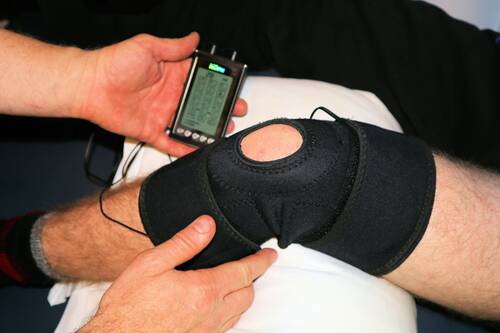
[caption id="attachment_73342" align="aligncenter" width="500"]knee-compression-osteoarthritis.jpg Photo by Terry Shultz P.T. on Unsplash[/caption] Symptomatic knee osteoarthritis affects roughly 13.8 percent of adults over 40, making it one of the most common causes of chronic joint pain worldwide. As clinicians increasingly prioritize conservative management over early pharmacological intervention, non-pharmacological strategies have gained renewed attention. Among these, compression bracing has emerged as a subject of growing research interest, with recent meta-analyses suggesting measurable benefits for pain, stiffness, and physical function. A body of evidence now supports the idea that compression knee support shown to improve joint proprioception through stimulation of cutaneous mechanoreceptors surrounding the joint capsule. This mechanism, first described in biomechanical research published in the Journal of Sports Science & Medicine (PubMed 15388537), offers a physiological rationale for what many patients report anecdotally: that wearing a compression sleeve makes the knee feel more stable during movement. For clinicians weighing treatment options, the question is no longer whether bracing has a role in osteoarthritis care, but which type of brace matches a given patient's needs.
Orthopedics, Pain Research / 08.04.2026

[caption id="attachment_73151" align="aligncenter" width="500"]evolution-knee-pain-rehab.jpg Photo by Towfiqu barbhuiya[/caption] Musculoskeletal research has undergone a significant transformation over the last decade. Historically, patients presenting with chronic joint degeneration were often directed toward invasive surgical procedures or relied heavily on pharmacological interventions to mask their symptoms. Today, clinical paradigms have shifted profoundly toward conservative joint preservation. Recent updates in orthopaedic care emphasise managing osteoarthritis pain without relying on medication, noting that targeted physical therapy, weight management, and customised movement regimens can be truly transformative in preserving long-term joint function. This transition away from immediate surgery is not merely a passing medical trend but a rigorously validated approach supported by extensive clinical trials and peer-reviewed data. As the global population ages, researchers continue to explore robust pathways to delay or entirely prevent the need for joint replacements, focusing instead on sustainable biomechanical correction.