30 Sep Mouth Taping and Sensitive Skin: What to Know Before Trying It
Mouth Taping Safety Notice: Mouth taping is not an established medical treatment for snoring, sleep apnea, or any other condition, and evidence for its benefits is limited. Do not use mouth tape if you cannot breathe comfortably through your nose, including during a cold, sinus infection, or allergy flare, or if you have a deviated septum or other nasal obstruction. Do not use mouth tape if you have known or suspected obstructive sleep apnea, lung or heart disease, a seizure disorder, or are prone to nausea or vomiting during the night. Do not use mouth tape after drinking alcohol or taking sedatives or sleep medications, and do not use it on children. Use only tape designed for facial skin, and remove it immediately if you feel short of breath, anxious, or uncomfortable. Stop use and contact a healthcare provider if you develop swelling, blistering, persistent itching, or a spreading rash. Talk with your physician or a sleep specialist before starting mouth taping, especially if you snore loudly, wake up gasping, or feel unrested after sleep.
Mouth taping has become increasingly popular among people looking to encourage nasal breathing during sleep. The concept is simple: a small piece of tape is placed over the lips before bed to discourage mouth breathing. While some people find the practice comfortable, those with sensitive skin may experience redness, dryness, or irritation from the adhesive.
Anyone considering mouth taping should think carefully about the material and adhesive being used, especially if their skin tends to react to bandages, medical tape, skincare products, or other adhesives. Choosing the best mouth tape for sensitive skin generally means looking for products designed to minimize irritation while still staying comfortably in place throughout the night.
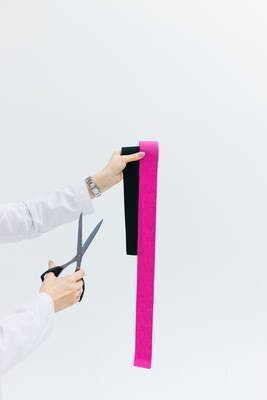
[caption id="attachment_76383" align="aligncenter" width="267"] Photo by Maksim Goncharenok: [/caption]