Dental Research / 26.02.2025

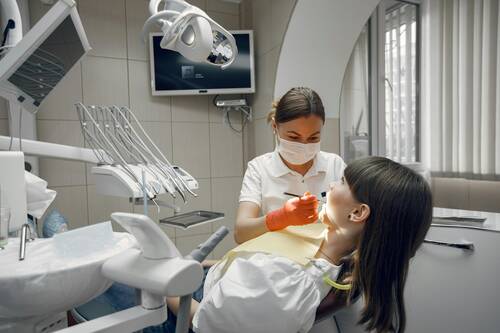
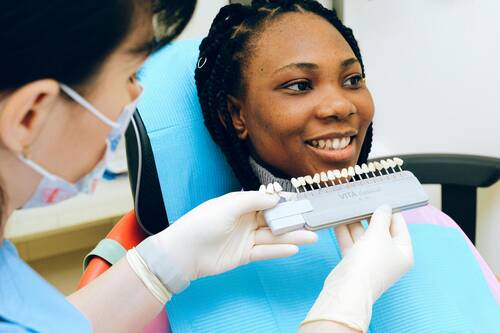
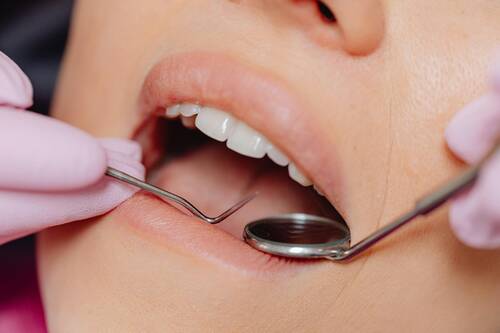
[caption id="attachment_66825" align="aligncenter" width="500"]dental-extractions-tooth-removal Photo By: Kaboompics.com[/caption] The thought of having a tooth pulled is enough to make most people anxious. Whether it’s a stubborn wisdom tooth, a badly decayed molar, or a tooth that just won’t budge on its own, the idea of extraction can bring up a flood of questions—and, let’s be honest, a bit of fear. Will it hurt? How long will it take to heal? Do I really need surgery? These are common concerns, and understandably so. But the truth is, modern dentistry has come a long way, and tooth extractions are far less daunting than many expect. To make things clearer, we spoke with certified oral surgeons about the key differences between simple and surgical extractions, so you feel more informed, more prepared, and—most importantly—less anxious about what’s ahead.
Dental Research / 20.02.2025

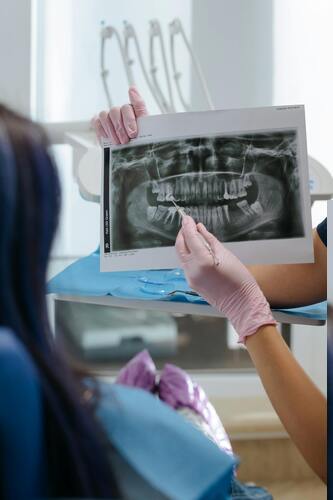
[caption id="attachment_66742" align="aligncenter" width="333"]dental-providers-dental-indemnity Photo by cottonbro studio[/caption] Dentistry thrives on teamwork, with every professional contributing their skills to ensure patients receive the best possible care. From the dentists leading the charge to the technicians working behind the scenes, each role is vital to the success of a practice. Let’s take a closer look at these roles and why dental indemnity insurance is a must-have for all professionals.

The Dentist: Leading the Way in Patient Care

Dentists are the central figure in a dental practice, responsible for diagnosing, treating, and managing a variety of oral health issues. Their work ranges from routine check-ups and fillings to complex procedures such as root canals and oral surgery.

Key responsibilities:

  • Diagnosing oral health problems.
  • Creating and implementing treatment plans.
  • Educating patients on oral hygiene and preventive care.
  • Supervising other team members, such as dental nurses and hygienists.
 
Dental Research / 28.01.2025

[caption id="attachment_66179" align="aligncenter" width="468"]Common Oral Health Issues Image source[/caption] Oral health is more than just maintaining a great smile - it’s a critical part of overall well-being. Research shows that poor oral health is linked to systemic conditions like heart disease, diabetes, and even certain cancers. Yet, despite the clear connection, oral health issues remain alarmingly common. Nearly 80% of Americans experience at least one cavity by age 34, and about 50% of adults grapple with gum disease. These numbers are a wake-up call to prioritize oral hygiene and learn about common dental problems, their causes, and solutions. Understanding these issues empowers you to protect not just your teeth and gums but also your overall health. This article will take you through these issues step by step, empowering you to take charge of your oral health.
  1. Tooth Decay: The Silent Culprit
Tooth decay, or dental caries, is one of the most common oral health problems worldwide. It occurs when plaque, a sticky film of bacteria, interacts with sugars from food to produce acid that erodes tooth enamel. Over time, this process can create cavities, leading to pain, sensitivity, and, if untreated, infection or tooth loss. The factors behind tooth decay include poor brushing habits, high-sugar diets, and infrequent dental visits. Even genetics can play a role, as some people may naturally have weaker enamel. However, the good news is that tooth decay is preventable and treatable. Regular brushing and flossing, combined with fluoride toothpaste, can protect your teeth. Dietary adjustments, such as reducing sugar intake, are equally crucial. For those who have already experienced tooth decay, there are solutions. Cavities can be treated with fillings or crowns, and more severe cases may require root canal therapy or tooth extraction. Modern dental advancements, such as teeth implants, can replace missing teeth and improve both function and aesthetics, ensuring restored smiles and renewed confidence.
Dental Research / 27.01.2025

[caption id="attachment_66150" align="aligncenter" width="500"]root-canal-dentistry Photo by Cedric Fauntleroy[/caption] Long considered as one of the best methods to save naturally occurring teeth severely damaged or diseased, root canal therapy which is carried out by an endodontist—a dental specialist—the inner sections of the tooth are treated with an eye on maintaining its structure. Seeking the knowledge of an Endodontist in New York City or abroad may make all the difference for those suffering tooth pain, sensitivity, or infection in keeping a good smile. Realizing the importance of root canal treatment helps one to see its part in general well-being and dental hygiene. Knowing Root Canal Therapy Designed to remove diseased or inflammatory pulp from inside a tooth, root canal treatment—also known as endodontic therapy—is nerves, blood arteries, and connective tissue abound in the pulp; trauma, profound decay, or repetitive dental work can all cause infection. Untreated an infected pulp can cause extreme pain, abscess development, and possibly tooth loss. The endodontist removes the injured pulp, cleans and sterilizes the inner tooth, and leaves a biocompatible material filling in place during a root canal. This procedure removes the cause of infection and discomfort, therefore enabling the tooth to operate normally.
Dental Research / 21.01.2025

Recent years have witnessed groundbreaking advancements in dental chair design, combining science, engineering, and patient-centered care to enhance comfort and accessibility. With nearly 36% of the global population reporting some degree of dental anxiety, according to the World Health Organization (WHO), these innovations are poised to improve the experience for both patients and dental professionals alike. [caption id="attachment_66029" align="aligncenter" width="376"]dental-chair-ergonomics Source Unsplash[/caption]

Addressing Patient Comfort

Modern dental chairs are now equipped with features designed to alleviate patient discomfort during procedures. Traditional dental chairs often lacked adequate lumbar support and adjustability, which could lead to prolonged discomfort during lengthy treatments. However, ergonomic designs have redefined these standards. Memory Foam and Contoured Padding: Today’s dental chairs often feature memory foam cushioning that conforms to the patient’s body, reducing pressure points. Contoured padding supports the natural curves of the spine, ensuring that patients remain comfortable even during extended procedures. Dynamic Adjustability: Adjustable headrests, armrests, and seat angles now come standard in many chairs, allowing for customized positioning. This flexibility not only improves patient comfort but also accommodates individuals of varying sizes and mobility levels. Noise Reduction Technology: A subtle but significant improvement in some models is the incorporation of noise-reduction mechanisms. By minimizing motor sounds during chair adjustments, manufacturers aim to reduce anxiety triggers for patients.
Dental Research / 20.01.2025

science-Teeth whitening Teeth whitening has become a sought-after cosmetic dental procedure in recent years. Understanding the science and safety behind it is crucial for achieving desirable results. This guide aims to educate both patients and dentists on making informed choices about teeth whitening. As the demand for brighter smiles grows, so does the variety of teeth whitening options available. It's essential to grasp the underlying scientific principles and potential safety concerns associated with these treatments. By consulting with a dentist in edina mn, you can ensure that your choice in teeth whitening is both effective and safe.
Dental Research / 05.01.2025

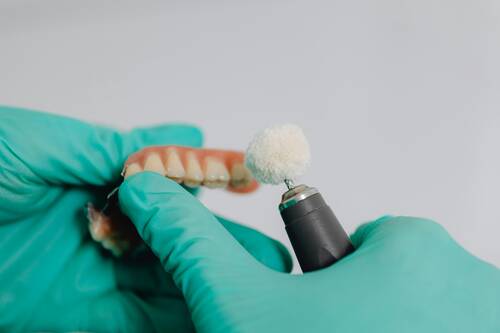
Restorative dentistry should be able to provide full mouth restorations to give the patients healthy and aesthetic smiles. When looking at all the instruments that are used by dental professionals, the dental polishers occupy a special place. These precision instruments are invaluable for fine-tuning restorations, increasing the durability of restorations as well as satisfying patients. [caption id="attachment_65797" align="aligncenter" width="500"]dental-polishers Image Source[/caption]

What Are Dental Polishers?

Dental polishers are specific instruments that are intended to refine and shape restorative constructive, such as filling, crowns, coves, and veneers. They are employed next to contouring and cutting instruments, for instance, carbide burs to form a smoother finish on the dental material. While carbide burs are essential for the initial preparation and shaping, dental polishers take the restoration process one step further by perfecting the surface. There are also hard and soft polishers such as rubber cups, diamond-coated discs, and silicone points depending on the change in restorative material and technique used. They can be modeled by a dentist into restorations that give not only an aesthetic appearance akin to natural teeth but also concealed and comfortable as well as being less retentive for plaque deposition.
Dental Research / 24.12.2024

Oral surgery is a critical part of maintaining optimal oral health, but it’s often surrounded by myths and misconceptions. These unfounded beliefs can deter people from seeking necessary treatment, leading to worsening conditions or unnecessary anxiety. From exaggerated fears about pain to misconceptions about recovery, these myths create unnecessary barriers. Understanding the truth behind these common misunderstandings can help you make informed decisions about your dental care. If you’re considering oral surgery or seeking expert advice, Team Smile Dentistry is here to guide you through the process with clarity and compassion. [caption id="attachment_65652" align="aligncenter" width="500"]oral-surgery-without-pain Photo by Gustavo Fring[/caption]

Myth 1: Oral Surgery Is Always Painful

Oral surgery usually scares many people because they think it involves so much pain. This myth has been around for quite some time, keeping patients from seeking operations they need.

The Truth: Modern Technology Ensures Minimal Discomfort

Advances in dental technology and anesthesia mean that oral surgery today is remarkably comfortable. Patients often report feeling little to no pain during the procedure itself, thanks to local anesthesia or sedation options. Post-operative discomfort is manageable with prescribed pain relievers and proper aftercare.
Dental Research / 23.12.2024

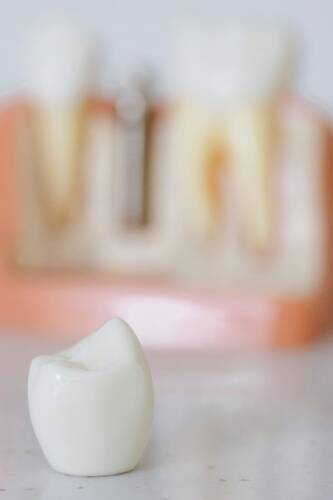
Dental implants have become a popular and effective solution for individuals looking to replace missing or damaged teeth. Unlike dentures or bridges, implants offer a permanent option that mimics the look and function of natural teeth. Below, we provide everything you need to know about dental implants to make an informed decision. [caption id="attachment_65647" align="aligncenter" width="333"]dental-implants Photo by cottonbro studio[/caption]

1. What Are Dental Implants?

Dental implants are artificial tooth roots made of biocompatible materials, typically titanium, which are surgically placed into the jawbone. These implants provide a sturdy foundation for fixed or removable replacement teeth designed to match your natural teeth.

Key Components:

  • Implant Post: The titanium screw that integrates with the jawbone.
  • Abutment: The connector placed on top of the implant post.
  • Crown: The visible part of the tooth that attaches to the abutment.
Dental Research, Technology / 12.12.2024

In today’s digital age, the role of technology in dentistry has evolved tremendously, and one of the most significant advancements is the use of intraoral camera. These compact, high-resolution devices have revolutionized the way dental professionals diagnose, document, and treat oral health issues. Traditional methods of documentation, relying on written notes or mental recollection, have been replaced by precise, visual records that provide a clearer, more accurate view of a patient's oral condition. intraoral-camera.jpg Intraoral cameras not only allow for real-time, detailed images of the inside of a patient's mouth, but they also enhance the overall accuracy of dental records, ensuring that every nuance of a patient’s oral health is captured and preserved. This enhanced documentation benefits both patients and practitioners, improving diagnostic outcomes, treatment planning, and the overall quality of care. But how exactly does an intraoral camera contribute to more accurate dental records? In this article, we will explore the many ways in which these cutting-edge tools are shaping the future of dental care and record-keeping.

1. Enhanced Diagnostic Accuracy

The primary function of an intraoral camera is to provide detailed, real-time images of the inside of the patient’s mouth. With traditional visual exams, a dentist’s ability to assess the full extent of a dental issue can be limited by the quality of their view and the complexity of the area in question. The intraoral camera, however, allows the dentist to zoom in on small areas, capture high-definition images, and evaluate conditions more closely, ensuring no detail is overlooked. For example, with the help of an intraoral camera, a dentist can easily spot the early stages of cavities, cracks in teeth, worn-down enamel, or signs of gum disease—conditions that may not be readily visible during a traditional examination. By capturing high-quality images of these issues, the camera allows for more accurate record-keeping, ensuring that all details are documented for future reference, comparison, and treatment planning.
Dental Research / 11.12.2024

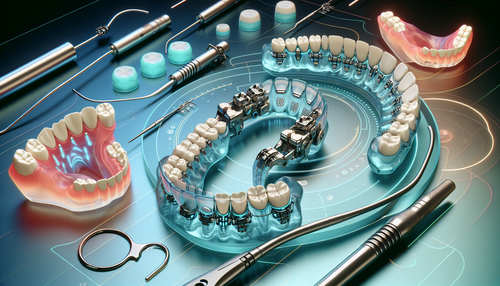
Orthodontic expanders are crucial in contemporary dental treatments, addressing both dental and skeletal discrepancies. These devices help create the necessary space in the mouth, facilitating proper alignment and bite. With advancements in technology, expanders have become more effective and versatile than before. [caption id="attachment_65434" align="aligncenter" width="500"]role-of-orthodontics Source: Bazoom AI[/caption] In orthodontics, expanders are essential tools used to address various issues related to dental misalignment and jaw discrepancies. They work by gradually widening the upper jaw to ensure that teeth are properly aligned and function efficiently. The significance of these devices lies in their ability to correct issues early on, potentially reducing the need for more invasive procedures in the future. Consulting with an orthodontist stevens point can provide valuable insights into the best treatment options available.
Dental Research / 10.12.2024

In the vibrant city of Las Vegas, where appearances and confidence often hold significant value, dental implants emerge as a compelling option for those seeking long-lasting dental solutions. Beyond their immediate aesthetic benefits, these implants offer unparalleled durability and functionality, factors that make them a prudent investment in the long run. Las Vegas residents may find themselves weighing the initial costs against the enduring advantages, such as preventing bone loss and maintaining oral health. Yet, the true value of dental implants extends beyond mere practicality. The question arises: could this be the transformative choice many have been seeking?

Benefits of Dental Implants

Understanding the benefits of dental implants is vital for individuals considering this advanced dental solution. Dental implants offer a durable, aesthetic, and functional replacement for missing teeth, enhancing overall oral health and quality of life. Unlike traditional dentures or bridges, implants are anchored directly into the jawbone, providing a stable foundation that mimics natural tooth roots. This integration not only improves chewing efficiency and speech clarity but also prevents bone loss, a common risk factor associated with missing teeth. Patient-focused care emphasizes the importance of understanding potential risk factors before undergoing implant surgery. These may include pre-existing health conditions such as diabetes or osteoporosis, which could affect healing and implant success. Detailed consultation with a dental professional is important to assess these risks and tailor a treatment plan accordingly. Moreover, the longevity of dental implants is greatly influenced by maintenance tips provided by dental experts. Patients should adhere to a rigorous oral hygiene regimen, including regular brushing, flossing, and routine dental check-ups, to prevent peri-implant diseases. By following these maintenance tips, patients can optimize their implant longevity, ensuring a lifetime of improved oral function and aesthetics. This thorough approach underscores the transformational benefits dental implants provide.
Dental Research / 25.11.2024

[caption id="attachment_65069" align="aligncenter" width="500"]Photo by Shiny Diamond: https://www.pexels.com/photo/woman-with-red-lipstick-smiling-3762453/ Image source[/caption] Dental health is more than just a bright smile—it’s a gateway to your overall well-being. Poor oral hygiene can lead to serious health complications, including heart disease, diabetes, and even respiratory infections. While regular dental visits are essential, they’re not always affordable or convenient. Therefore, adopting effective daily habits is the best way to maintain healthy teeth and gums while minimizing costly interventions. So, let’s explore nine tips that can help you achieve optimal dental health. 1. Floss Daily: The Missing Step in Many Routines Most people just brush their teeth and think it’s enough, but even the best toothbrush can’t reach every nook and cranny of your mouth. That’s where flossing comes in. This simple practice removes food particles and plaque from between your teeth and under the gumline—areas where decay and gum disease often begin. Daily flossing can reduce the risk of cavities and gingivitis while keeping your breath fresh. If you find it difficult to use traditional floss, try alternatives like floss picks or water flossers. Incorporating this step into your routine takes only a few minutes but yields significant benefits for your oral health.

Dental Research / 22.11.2024

Your smile is more than just a reflection of your mood or a means of communication—it’s a gateway to your overall health. While many people associate a bright smile with good hygiene or confidence, its impact goes far beyond appearances. The science of oral health reveals that maintaining a healthy smile is essential if you want to look after your entire body. Here’s how your oral health connects to your overall health and why prioritizing your smile is one of the best things you can do for your body. [caption id="attachment_64976" align="aligncenter" width="500"]dental-health Source[/caption] The Oral-Systemic Connection The mouth is often referred to as the “window to the body,” and for good reason. It’s home to a diverse community of bacteria, both beneficial and harmful. While proper oral hygiene keeps harmful bacteria in check, neglecting your oral health can allow these bacteria to grow unchecked, leading to oral infections like gum disease and tooth decay. But the effects don’t stop there. The inflammation and bacteria associated with oral health issues can spread to other body parts, contributing to systemic health problems.
Dental Research / 19.11.2024

[caption id="attachment_64837" align="aligncenter" width="500"]why-you-shouldn't-wait-for-dentist Image Source[/caption] Many people wait far too long before going to the dentist, even if they are in pain every day. It can be scary to think that you might have to suffer through an expensive surgery or procedure, and so people often hold out for far too long before they go to the dentist. Your Marietta dentist can help you nip dental problems in the bud right away so that they do not turn into long-term dental health concerns. In most cases, the longer that you wait to get care, the more damage your teeth will suffer and the more expensive the repair will be.

Things You Should Go to Your Dentist About Right Away

Many people are not even aware of what counts as a dental emergency and so they don’t even know when to be concerned. It can be simple to take a wait and see approach to dental issues since they might not cause you lots of pain at first. However, suffering from serious discomfort isn’t always the first sign of a dental health concern.
Dental Research / 11.11.2024

[caption id="attachment_64695" align="aligncenter" width="500"]dental-visits-dentists Source[/caption] A dentist appointment is often the last thing on anyone's list until there’s a sharp, undeniable pain. But the reality is that dental issues can start way before pain sets in. Your mouth has its own way of sending you little signals that something's not quite right – if you know what to look for. For those experiencing persistent discomfort, modern treatments like pain relief and Botox can provide effective solutions, especially for issues like TMJ or teeth grinding. Here’s how to catch those early signs and keep your dental health in check, pain or no pain.

1. Bleeding Gums Aren’t Normal

Ever notice a bit of pink in the sink when you brush or floss? It’s tempting to brush off (literally and figuratively) bleeding gums as a minor issue, but it’s actually one of the clearest indicators that something needs attention. Healthy gums don’t bleed from regular brushing or flossing. Bleeding gums are often a sign of gingivitis, an early stage of gum disease. If untreated, gingivitis can progress into periodontitis, which can cause gum recession and tooth loss. So, if you’re seeing blood, consider it a nudge to get that dental checkup booked.
Dental Research, Pediatrics / 08.11.2024

  [caption id="attachment_64667" align="aligncenter" width="500"]Pediatric dentists Pexels Photo by Pixabay [/caption]  

Why Pediatric Dentists Are Important for Kids? 

Pediatric dentists aren’t just regular dentists—they’re specialists trained specifically to care for children’s dental health from infancy through the teenage years. This specialized training means that they understand more about baby teeth, growing jaws, and the best ways to help kids feel comfortable during a dental visit. Pediatric dentists often complete additional training after dental school to become experts in managing children’s unique dental needs, behaviors, and even anxieties.  Their offices are designed to make kids feel safe, comfortable, and at ease. From playful decorations and kid-sized chairs to dentists who know how to talk to children about their oral health, pediatric dental clinics are usually kid-friendly spaces. These environments can make a big difference, especially for kids who feel nervous or scared about visiting the dentist.  But the care that pediatric dentists provide goes beyond just helping kids feel relaxed. Pediatric dentists are skilled at managing dental issues unique to children, such as dealing with baby teeth, guiding the eruption of adult teeth, and addressing early signs of cavities, gum disease, and other issues. They also understand the importance of early intervention in preventing long-term dental problems. 
Dental Research / 31.10.2024

Maintaining good oral health goes beyond brushing and flossing at home; it involves regular dental visits for professional cleanings. While many of us may view dental cleanings as just another chore, they play a crucial role in keeping our teeth and gums healthy. If you’d like to understand better the importance of regular dental cleanings and how they can benefit your overall well-being, keep reading. [caption id="attachment_64461" align="aligncenter" width="500"]dental-health Source[/caption]

Preventing Tooth Decay and Gum Disease

One of the primary benefits of regular dental cleanings is the prevention of tooth decay and gum disease. During a cleaning, a dental hygienist removes plaque and tartar buildup that regular brushing and flossing may miss. Plaque is a sticky film of bacteria that can lead to cavities and gum inflammation if not addressed. Tartar, the hardened form of plaque, can only be removed by a dental professional. Keeping your teeth clean significantly reduces your risk of developing these common dental issues. Gum disease, which can range from mild gingivitis to more severe periodontitis, is particularly concerning. If left untreated, it can lead to tooth loss and has even been linked to systemic health issues, including heart disease and diabetes. Regular cleanings not only help keep your gums healthy but also provide an opportunity for your dentist to assess your risk factors and recommend appropriate preventive measures.
Dental Research / 27.10.2024

[caption id="attachment_64322" align="aligncenter" width="500"]prevent-dental-problems.png Source[/caption] Dental care can sometimes slip to the bottom of people’s lists of things to do. This might be due to the cost, due to fear of the dentist, or due to distractions in life. Many people incorrectly believe that they can ignore dental problems until they start to cause pain or dentition issues, but this is actually the last thing that you should do. Your dentist in Buckhead, GA can help you to prevent long-term health issues that can be avoided with proper dental care. Your tooth and gum health impacts your overall well-being and things like your nutrition. Having good oral health also ensures that you increase your risk of getting a serious infection that can damage your heart or other organs.

Why You Need to Go to the Dentist to Prevent Problems

Your oral health is key for your overall well-being. These are the reasons that you need to take your oral well-being seriously and go to the dentist on a regular basis. Getting a cleaning and check-up at least once a year is important for many reasons. Preventing oral health issues requires a complete dental care protocol that you stick to each and every year.
Dental Research / 23.10.2024

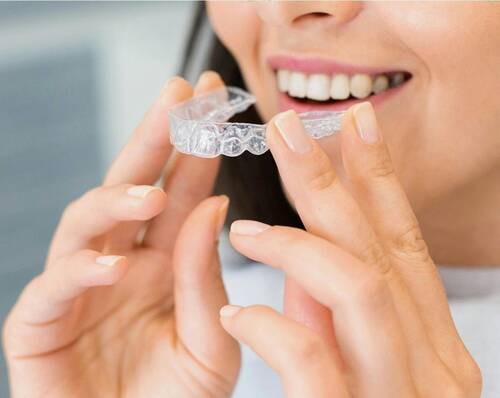
[caption id="attachment_64235" align="aligncenter" width="500"]straight-teeth-invisalign Source[/caption] Are you considering Invisalign treatment but finding yourself a bit hesitant due to some of the things you’ve heard?  Many people have a few misconceptions about Invisalign, and that’s totally understandable. Dental treatments can seem intimidating if you’re not familiar with how they work. But once you’ve got the right information, it’s easier to feel confident about making a choice that suits your smile. Invisalign is one of the most popular options for straightening teeth today, yet there are still some lingering myths surrounding it.  By the end of this post, you’ll have a clearer picture of what Invisalign is really about.

Dental Research / 19.10.2024

[caption id="attachment_64108" align="aligncenter" width="500"]orthodontics-smile Source[/caption] Key Takeaways
  • Orthodontic treatments offer a range of benefits beyond aesthetics, such as improved oral health and function.
  • Technology has broadened treatment options, providing more comfort and effective results for patients.
  • Personalized care is essential for achieving optimal orthodontic outcomes.
Introduction to Orthodontic Options Orthodontics offers a transformative journey towards achieving a straighter smile, healthier teeth, and improved self-confidence. With numerous orthodontic options available, understanding the nuances of each can significantly affect choice and outcomes. This guide explores various orthodontic methods and delves into the considerations that can make a difference in one's dental journey.
Dental Research / 01.10.2024

    Innovation in dental crowns is not just a matter of aesthetic enhancement—it's a game-changer for oral health outcomes. As technology evolves, so does our ability to restore and enhance dental health through more sophisticated and tailored treatments. Recent advancements in dental crown technology are transforming what it means to receive a crown, making the procedures quicker, more accurate, and far less intrusive than ever before. These innovations extend beyond mere improvements in materials or techniques; they redefine the patient experience and elevate the standard of care provided. By integrating cutting-edge materials with state-of-the-art fabrication processes, dental professionals can now offer solutions that look remarkably natural, function better, and last longer. This leap in dental technology not only enhances the efficiency of treatments but also significantly improves the overall oral health outcomes for patients across the globe.
Dental Research / 27.09.2024

[caption id="attachment_63575" align="aligncenter" width="500"]dental-smile_pexels-shiny-diamond-3762402 Source[/caption] Table of Contents
  • Introduction: The Power of a Radiant Smile
  • Teeth Whitening: The Fast Track to Brighter Teeth
  • Porcelain Veneers: Achieve a Flawless Finish
  • Invisalign: Subtle Teeth Straightening for Adults
  • Dental Bonding: Repairing Minor Imperfections with Ease
  • Dental Implants: Restoring Function and Beauty
  • Boosting Your Confidence with Cosmetic Dentistry
  • Start Your Smile Transformation Today
Dental Research / 26.09.2024

[caption id="attachment_63520" align="aligncenter" width="500"]dental-dentists.png Source  Freepik.com[/caption] A dentist’s responsibility is to ensure that the patient has proper dental health. From a simple check-up to teeth cleaning to veneer, dentists are trained and skilled in a variety of applications. All dentists are diverse in their fields and ways of practice, and that’s why each dentist's skills are unique. However, the question is, what distinguishes one from a group of others? What makes a dentist the most preferred choice of most patients?   Below are some attributes to help assess whether a dentist is a competent professional.
Dental Research / 13.09.2024

A great smile can boost your confidence, help you feel more comfortable in social situations, and even make a lasting first impression. Thanks to advancements in cosmetic dentistry, transforming your smile has never been easier. But with so many options available, how do you know which procedure is right for you? Let’s break down five popular cosmetic dental treatments that can give you a smile makeover.

1. Teeth Whitening – A Quick Brightness Boost

When it comes to brightening your smile, teeth whitening is hands-down one of the most popular treatments from a cosmetic dentist. Whether you're dealing with coffee stains, years of wear and tear, or just want to amp up the brightness, teeth whitening offers a simple solution. Professional teeth whitening is far more effective than over-the-counter treatments. It’s quick, relatively inexpensive, and can brighten your teeth by several shades in just one session. Many people love how easy it is to transform their smile with such minimal effort. While results are immediate, they can last a long time with proper care—just avoid too much coffee or red wine afterward!
Author Interviews, Dental Research, Pediatrics / 10.09.2024

Are you considering Invisalign for your child in South Surrey but wondering how it differs from the treatment adults receive? This particular procedure has become a popular choice for orthodontic care, offering a discreet and convenient way to straighten teeth. However, the approach for children can differ significantly from that for adults. This article will explain what you need to know about Invisalign for kids and how it stands apart from adult dental treatments in South Surrey. [caption id="attachment_63227" align="aligncenter" width="333"]dental_pexels-shvetsa-3845985 Source[/caption]

Understanding Invisalign for Kids

Invisalign South Surrey for Kids is specifically designed to cater to the unique dental needs of growing children. The treatment focuses on aligning teeth and guiding the proper jaw and teeth development. This early intervention is crucial in preventing more severe orthodontic issues later in life. While the clear aligners work similarly to those for adults, the process and considerations are different.