
17 Jun Designing Radiopharmaceutical Studies for IND-Enabling Success: What Regulators Expect
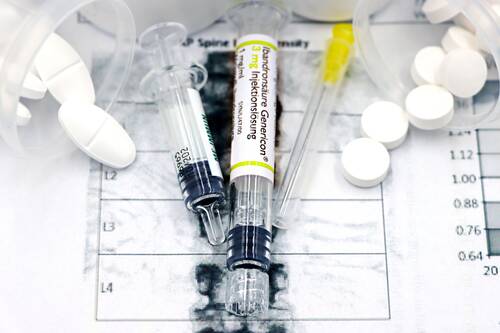
[caption id="attachment_74343" align="aligncenter" width="500"] Pexels[/caption]
Preclinical Studies with Radiopharmaceuticals: IND-Enabling Guidance and Study Design
Introduction
Preclinical evaluation is an integral part of the development of investigational new drugs (IND), including radiopharmaceuticals. Radiopharmaceuticals are radio-labelled formulations used for diagnostic, therapeutic, and disease monitoring purposes within the context of both nuclear medicine and pharmaceutical research. While diagnostic radiopharmaceuticals are used to image organ function, trace biological processes, and quantify metabolism or IND target engagement, therapeutic radiopharmaceuticals are typically used in the field of oncology, whereby ionising radiation of a conjugated radionuclide induces targeted cell death. Because radiopharmaceuticals require the use of radioactive compounds, regulatory bodies such as the US Food and Drug Administration (FDA) and the European Medicines Agency (EMA) require stringent controls around their development, manufacturing, handling, transport, and use. This article will consider guidance specifically surrounding the development of preclinical radiopharmaceutical research studies, considering imaging requirements, dosimetry, and toxicology, and highlighting how sponsors can enable IND success through partnership with a preclinical imaging provider experienced in nuclear medicine.










 The biopharmaceutical industry has undergone significant transformations in recent years, particularly with the adoption of Quality by Design (QbD) principles. This innovative approach is reshaping the landscape of biopharmaceutical manufacturing by fostering a culture of quality that prioritises proactive measures over reactive solutions. This transformation not only enhances the efficiency of manufacturing processes but also ensures that patients receive safe and effective medications.