#GLP-1 Tag

Prescription Medication Notice: Tirzepatide is a prescription medication that should only be prescribed and monitored by your healthcare provider. Do not start, stop, or change your dose without medical guidance. Approved uses vary by country. Tirzepatide is not suitable for everyone, including people with a personal or family history of medullary thyroid carcinoma or multiple endocrine neoplasia syndrome type 2 (MEN 2), and it should not be used during pregnancy. Tell your healthcare provider if you have a history of pancreatitis, gallbladder disease, kidney problems, or diabetic eye disease, or if you take insulin, sulfonylureas, or oral contraceptives. Common side effects include nausea, vomiting, diarrhea, and constipation. Seek prompt medical care for severe or persistent abdominal pain, signs of dehydration, or symptoms of an allergic reaction.

Managing metabolic health over forty feels a lot like optimising a complex product strategy. When your body’s baseline insulin sensitivity shifts, relying solely on willpower to restrict calories can trigger intense hunger signals that undermine your long-term goals.

Modern medical weight management has evolved beyond simple caloric restriction toward treatments that act on how your brain and gut communicate.

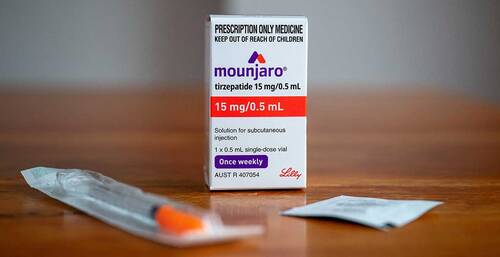
If you are exploring dual-action hormone treatments like mounjaro in Singapore, understanding how tirzepatide targets both GIP and GLP-1 receptors helps explain how it can reduce food noise and support weight loss. A properly supervised medical program, combined with adequate protein and strength training, can help support steady fat loss while limiting muscle loss.

[caption id="attachment_76409" align="aligncenter" width="500"]Sustainable Weight Loss meds pexels Photo by Pixabay[/caption]

Key Takeaways

  • GLP-1 medications can support weight management, but they are prescription treatments rather than stand-alone solutions or quick fixes.
  • A responsible program screens for medical risks, reviews other medications, explains realistic expectations, and provides follow-up after treatment begins.
  • Product source matters. FDA-approved drugs and compounded versions do not go through the same review process.
  • Nutrition, physical activity, sleep, and a long-term maintenance plan remain important even when medication is appropriate.

Interest in GLP-1 medications has changed the conversation about obesity treatment. For many adults, these medications can reduce appetite and support clinically meaningful weight loss when combined with lifestyle intervention. They have also created a crowded online market in which polished advertising can make very different care models look similar.

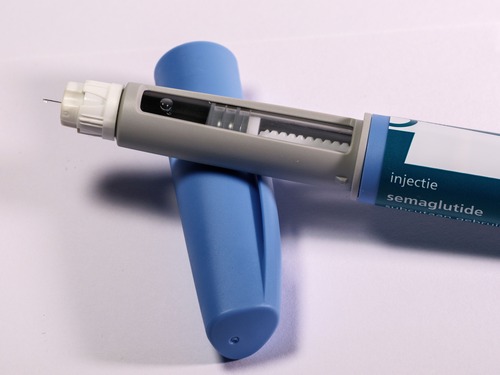
[caption id="attachment_76379" align="aligncenter" width="500"]Photo by Haberdoedas Photography: https://www.pexels.com/photo/close-up-of-semaglutide-injection-pen-on-surface-32532049/ Photo by Haberdoedas[/caption]

The key question is therefore not simply whether a program offers semaglutide or another GLP-1 medication. Patients should also ask how the program determines candidacy, where prescriptions are filled, how side effects are monitored, and what happens when treatment goals or circumstances change.

[caption id="attachment_68981" align="aligncenter" width="500"]protein-shake-glp-shake Photo by Photo By: Kaboompics.com[/caption]

Key Takeaways

  • Functional ingredients like adaptogens, probiotics, and plant-based proteins are moving shakes beyond meal replacement status and making them vital tools in modern wellness routines.
  • Solid clinical evidence underpins the advantages of many trending components in innovative shakes, highlighting their potential for holistic health support.
  • Careful analysis of nutrition labels and ingredient sourcing is essential for consumers aiming to make healthier shake choices.
  • Personalization options and on-the-go convenience have catapulted innovative shakes into everyday life, catering to diverse dietary needs.
  • Current market movements reflect an exciting era of innovation, emphasizing taste and tangible health benefits in shake offerings.
 

What Are Smart Shakes?

Today's innovative shakes are designed with intention and scientific rigor, offering a sharp contrast to the single-nutrient protein shakes of years past. Instead of focusing on muscle recovery, these shakes incorporate a broader spectrum of health-promoting nutrients, from vitamins and minerals to plant-based adaptogens and live cultures. A GLP-1 protein shake perfectly represents this trend, crafted to support wellness through thoughtfully selected ingredients that go well beyond protein content. Such shakes often claim to help with satiety, energy, and metabolic health, catering to those wanting more than simple calorie replacement. This evolution in the shake market is about more than just ingredients—it's a response to busy, health-conscious lifestyles. People juggling careers, family, and fitness often need a fast, efficient breakfast, lunch, or post-gym recovery solution. Innovative shakes meet this demand, acting as versatile, portable meal options. Importantly, they appeal to athletes and anyone who values proactive health measures, including students, professionals, and parents. Instead of settling for generic "one-size-fits-all" blends, individuals seek shakes with functional ingredients promising tailored benefits, from immune support to cognitive clarity to sustainable energy throughout the day.

[caption id="attachment_68344" align="alignleft" width="200"]MedicalResearch.com Interview with:Dr. Katilyn Gernhard Dr. Gernhard[/caption] MedicalResearch.com Interview with: Dr. Katilyn Gernhard DO Internal Medicine Resident Allegheny Health Network Pittsburgh MedicalResearch.com: What is the background for this study? Response: The background for this study is the steadily rising prevalence of obesity in the United States, which has been accompanied by an increase in related comorbid conditions, including Metabolic Dysfunction–Associated Steatotic Liver Disease (MASLD). Bariatric surgery and GLP-1 receptor agonists are two commonly used treatment options to address obesity and its associated complications. While both have demonstrated benefits in weight loss and metabolic improvement, there has been limited direct comparison of their effectiveness specifically in patients with MASLD. Our study aimed to address this gap by comparing clinical outcomes in patients with MASLD treated with GLP-1 receptor agonists versus those treated with bariatric surgery.

Ozempic (semaglutide) is a prescription medication designed to help manage type 2 diabetes. It belongs to a class of drugs called GLP-1 receptor agonists, which work by increasing insulin production, reducing blood sugar levels, and slowing digestion to help improve glucose control. Ozempic has also gained attention for its potential role in weight management, but its primary use is for patients with type 2 diabetes who need help controlling their blood sugar. To get the best results from Ozempic, following the correct dosing schedule is critical. A structured approach to dosage allows the body to adjust to the medication, reduces the likelihood of side effects, and ensures that patients achieve optimal blood glucose control over time. Many people also explore options to buy Ozempic from Canada as a way to save on costs while maintaining their treatment regimen In this article, you will learn about Ozempic dosing, how to follow the dosing schedule, where to inject, what to do if you miss a dose, and more. Read on to find out how you can also save on Ozempic when you order through BuyCanadianInsulin.com. Editor' note: If you are purchasing Ozempic from Canada, please ensure it is legal where you live and that you are not purchasing a counterfeit product.

If you’ve been hearing a lot of buzz about the Wegovy pen and are curious about what it can do for weight loss, you're in the right place. There’s a lot to understand, but we’re going to break it down into simple, easy-to-follow information. Whether you're exploring your options or have already made up your mind about giving it a try, here's everything you need to know about the Wegovy pen. [caption id="attachment_63382" align="aligncenter" width="500"]semaglutide-weight-loss_pexels-pixabay-53404 Source[/caption]

What is the Wegovy Pen?

Let’s start with the basics. The Wegovy pen is a once-weekly injectable medication that’s used to support weight loss in adults. It contains the active ingredient semaglutide, which is designed to help regulate appetite. In simple terms, it helps you feel fuller for longer, so you're less likely to overeat. Semaglutide mimics a hormone called GLP-1 (glucagon-like peptide-1), which plays a role in controlling hunger. By imitating this hormone, Wegovy helps reduce food cravings and manages how much you eat.

Tirzepatide is an innovative medication recently making waves in the treatment of type 2 diabetes and obesity. Known by its brand names, Mounjaro and Zepbound, this medication is a dual glucose-dependent insulinotropic polypeptide (GIP) and glucagon-like peptide-1 (GLP-1) receptor agonist. While its efficacy in managing blood glucose levels and supporting weight loss is noteworthy, it’s crucial for patients and healthcare providers to fully understand the potential side effects associated with tirzepatide. This article delves into the detailed aspects of tirzepatide side effects, providing key insights for those considering this medication.

What is Tirzepatide?

Tirzepatide belongs to a new class of medications designed to manage blood sugar in adults with type 2 diabetes. It works by mimicking the action of two incretin hormones—GIP and GLP-1—which help regulate insulin secretion, slow down gastric emptying, and reduce appetite. These combined effects make tirzepatide particularly effective for controlling blood sugar levels and promoting weight loss, making it a dual-action treatment option.

Editor's note:  Compounding is allowed when there is a shortage of the drug involved, but legal restrictions should be followed.  [caption id="attachment_62994" align="alignleft" width="134"]weight-loss-obesity_pexels-shvets-production-6975473 Image Source[/caption] In recent years, the world of diabetes management has seen a major breakthrough with GLP-1 receptor agonists like Tirzepatide. These cutting-edge therapies aren't just about controlling blood sugar levels; they represent a fundamental shift in how we manage chronic diseases. Tirzepatide and other GLP-1 drugs have captured the attention of the medical community and patients alike because of their potential to enhance overall health and promote longevity. Thanks to recent studies, we're seeing a future where diabetes management goes beyond traditional approaches. Instead, we're moving into a world of comprehensive metabolic health where we can hope for a healthier, longer life. It's exciting to think about what these new therapies could mean for people living with diabetes and how they could change the broader landscape of healthcare. Tirzepatide is an incredible medication that boasts a unique dual action mechanism as both a GLP-1 and GIP receptor agonist. This one-of-a-kind attribute means that Tirzepatide is able to offer an array of benefits in regards to glucose control. By increasing insulin secretion and reducing glucagon levels, Tirzepatide assists with blood sugar regulation in a powerful way.  Tirzepatide has also been shown to be a valuable tool in managing obesity, which is a common comorbidity in type 2 diabetes. The weight loss properties of this medication have been linked to improved metabolic outcomes and reduced cardiovascular risk. Truly, Tirzepatide is a force to be reckoned with in the medical community.