17 Apr Healthcare Interoperability After Go Live
Why interface monitoring, alerting, and production visibility now define reliable healthcare interoperability after launch. ...

Why interface monitoring, alerting, and production visibility now define reliable healthcare interoperability after launch. ...

 The healthcare sector lacks insights despite the volume of data. Because data is scattered across EHRs, claims, devices, and patient-reported systems, clinicians often do not have a complete picture of the patient. This fragmentation leads to delays, inefficiencies, and missed opportunities for early action.
A truly connected environment requires meaningful healthcare data aggregation that can standardize, curate, and activate data across the care continuum. The cornerstone of this shift is the use of a robust digital health platform that can combine data from several sources into a single, intelligent stream.
Data fragmentation causes needless expenses, delays the delivery of treatment, and impairs decision-making. When important information is scattered between payer files, EHRs, siloed systems, and remote monitoring platforms, clinicians are operating blindly. This challenge affects every touchpoint of patient care.
Solving this calls for an advanced aggregation architecture that consolidates and refines all clinical, claims, and device data into a single intelligent patient view. The foundation of this transformation is a Healthcare data platform built for real-time intelligence, not just storage.
The healthcare sector lacks insights despite the volume of data. Because data is scattered across EHRs, claims, devices, and patient-reported systems, clinicians often do not have a complete picture of the patient. This fragmentation leads to delays, inefficiencies, and missed opportunities for early action.
A truly connected environment requires meaningful healthcare data aggregation that can standardize, curate, and activate data across the care continuum. The cornerstone of this shift is the use of a robust digital health platform that can combine data from several sources into a single, intelligent stream.
Data fragmentation causes needless expenses, delays the delivery of treatment, and impairs decision-making. When important information is scattered between payer files, EHRs, siloed systems, and remote monitoring platforms, clinicians are operating blindly. This challenge affects every touchpoint of patient care.
Solving this calls for an advanced aggregation architecture that consolidates and refines all clinical, claims, and device data into a single intelligent patient view. The foundation of this transformation is a Healthcare data platform built for real-time intelligence, not just storage.
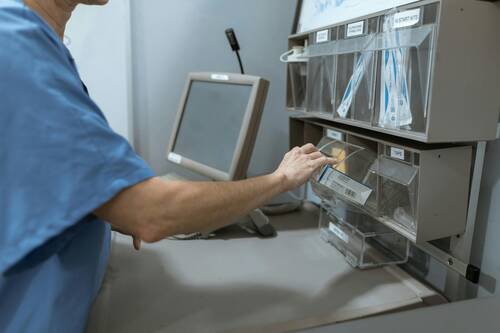
 Photo by luis gomes[/caption]
With medical needs escalating and technology advancing at an incredible pace, the speed of patient care is about to become much faster and more effective. Healthcare organizations are under pressure to do more with less. Businesses are finally able to leave their tech logjam behind when they plug into lean IT project services. Suddenly, the thorny vines of procedure fall away, and genuine innovation gets a second wind. Low costs don't mean low-quality care.. What if healthcare operations could run like a well-oiled machine? For that to happen, they need to corral their IT projects, but that's a tall order given the specific challenges they face.
Photo by luis gomes[/caption]
With medical needs escalating and technology advancing at an incredible pace, the speed of patient care is about to become much faster and more effective. Healthcare organizations are under pressure to do more with less. Businesses are finally able to leave their tech logjam behind when they plug into lean IT project services. Suddenly, the thorny vines of procedure fall away, and genuine innovation gets a second wind. Low costs don't mean low-quality care.. What if healthcare operations could run like a well-oiled machine? For that to happen, they need to corral their IT projects, but that's a tall order given the specific challenges they face.