MedicalResearch.com Interview with:
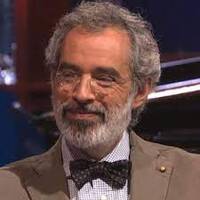
Jamie I Forrest PhD, MPH
Scientific Director, Health Equity & Resilience Observatory (HERO)
Faculty of Applied Science
University of British Columbia
MedicalResearch.com: What is the background for this study?
Response: We’ve known since early in the pandemic that many people don’t fully recover after COVID-19. Fatigue is one of the most persistent and disabling symptoms, and it significantly reduces quality of life — affecting people’s ability to work, care for their families, and participate in daily life.
Until now, there have been very few treatment options backed by solid evidence. Doctors have largely focused on supportive care — helping patients manage their symptoms through rest, pacing, and multidisciplinary teams — because no medication had been shown to work in a well-designed clinical trial. Several smaller or uncontrolled studies had suggested certain drugs might help, but robust randomized controlled trial evidence was scarce.
Interestingly, metformin had previously been shown to reduce the risk of developing Long COVID when taken during the acute phase of infection. Our study asked a different question: can these drugs help people who already have established Long COVID?
Long COVID — also called post-acute sequelae of SARS-CoV-2, or PASC — is a condition where people continue to feel sick for months or even years after recovering from a COVID-19 infection. The most common and debilitating complaint is fatigue: a profound, persistent exhaustion that doesn’t get better with rest and can make even simple daily activities feel impossible. Despite affecting an estimated tens of millions of people worldwide, there are almost no proven treatments.
We wanted to test whether two existing, widely available, and affordable medications could help. The first was fluvoxamine — an antidepressant that also has potent anti-inflammatory effects and acts on brain pathways involved in fatigue. The second was metformin — a common diabetes medication that reduces inflammation and may support cellular energy production. Both had biological reasons to think they might work against Long COVID fatigue, but neither had been rigorously tested for this purpose in a proper clinical trial.