31 Jan A Marijuana Card Without the Awkward Doctor Visit
Posted at 10:23h
in Cannabis
Editor’ note: Cannabis and THCA/HEMP CBD products should have an active ingredient list on the container and have a Certificate of Analysis (COA).
Discuss your use of THC, Cannabis or CBD products with your health care provider. Dosing of Cannabis products is variable, especially since they are not FDA regulated. Cannabis/CBD may interfere with other medications and should not be used in individuals with certain health conditions, including liver issues. CBD skin care products can be absorbed through the skin and have similar effects.
Do not use Cannabis products including edibles and drinks and CBD if you are pregnant, nursing or may become pregnant. Do not use cannabis products if driving or operating difficult or dangerous machinery. Children should not be exposed to cannabis or CBD products.
Getting a medical marijuana card no longer feels like a tense appointment filled with uncomfortable questions. The old process left many people nervous, unsure of what a doctor might think, and hesitant to ask for cannabis as a legitimate option. The shift to online evaluations cleared away much of that stress. Now patients can handle everything from home, using a phone or a laptop. A calm space makes people feel more open, creating a smoother and clearer conversation with their doctor. The entire experience feels more private and respectful of personal comfort.
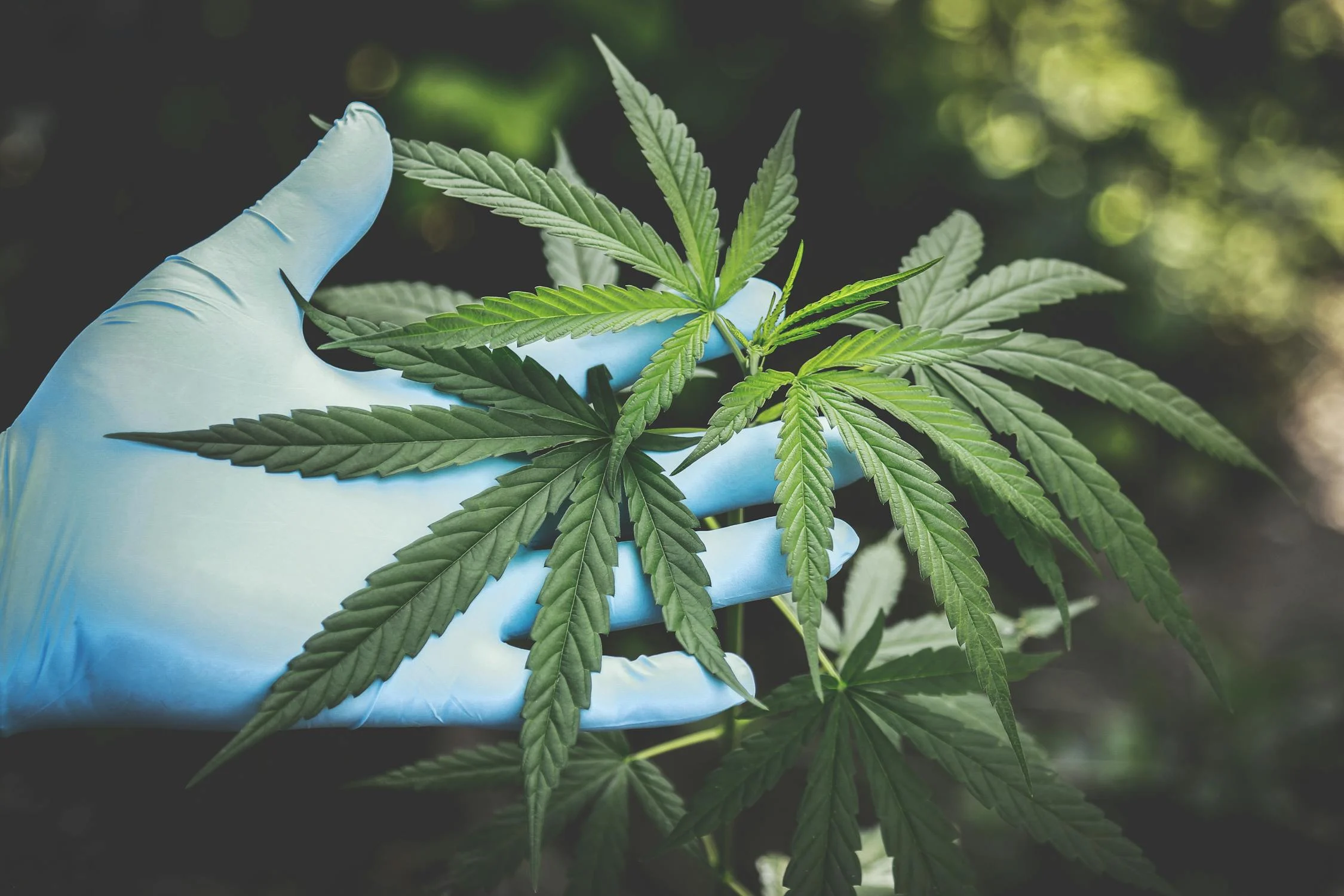
[caption id="attachment_72196" align="aligncenter" width="500"] Photo by Nataliya Vaitkevich[/caption]


 Elena Stains[/caption]
Elena Stains
Medical Student
Department of Medical Education
Geisinger Commonwealth School of Medicine
Scranton, PA
MedicalResearch.com: What is the background for this study?
Response: In 2019 to 2020, 2.5% of Americans reported using cannabis for medical needs, compared to 1.2% in 2013-2014, representing a 12.9% annual increase1. Forty states and the District of Columbia have legislation for some form of medical cannabis (MC) in 2024. Because MC is not federally legalized, each state creates its own legislation on the conditions that qualify a person for MC, without any standardized process to determine what qualifying conditions (QC) are proven to be aided by MC. Thus, the QCs chosen by states vary widely. Common QCs include cancer, dementia, and PTSD.
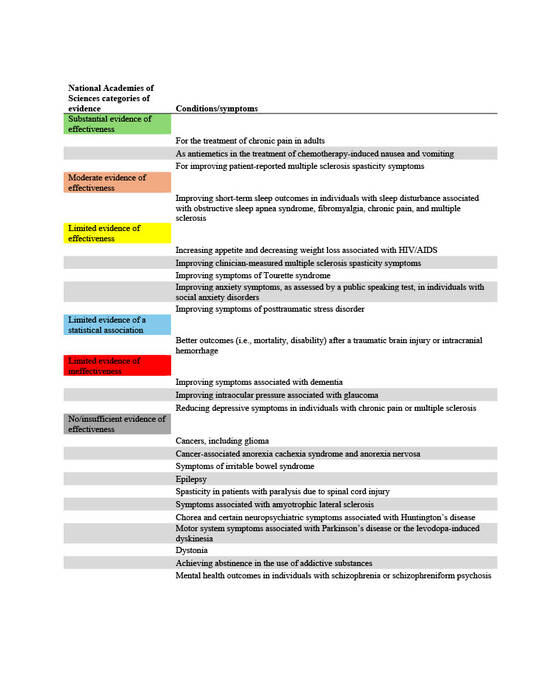
The National Academies of Sciences, Engineering, and Medicine (NAS) published a report in 2017 on the evidence for the therapeutic effects of cannabis and cannabinoids for over twenty conditions2. This report reviews the evidence of effectiveness of medical cannabis for the most common QCs chosen by states. The researchers at Geisinger Commonwealth School of Medicine aimed to compare the evidence found by the NAS report with the QCs of 38 states (including the District of Columbia) in both 2017 and 2024. QCs were categorized based on NAS-established level of evidence: limited, moderate, or substantial/conclusive evidence of effectiveness, limited evidence of ineffectiveness, or no/insufficient evidence to support or refute effectiveness (Table 1).
Elena Stains[/caption]
Elena Stains
Medical Student
Department of Medical Education
Geisinger Commonwealth School of Medicine
Scranton, PA
MedicalResearch.com: What is the background for this study?
Response: In 2019 to 2020, 2.5% of Americans reported using cannabis for medical needs, compared to 1.2% in 2013-2014, representing a 12.9% annual increase1. Forty states and the District of Columbia have legislation for some form of medical cannabis (MC) in 2024. Because MC is not federally legalized, each state creates its own legislation on the conditions that qualify a person for MC, without any standardized process to determine what qualifying conditions (QC) are proven to be aided by MC. Thus, the QCs chosen by states vary widely. Common QCs include cancer, dementia, and PTSD.
The National Academies of Sciences, Engineering, and Medicine (NAS) published a report in 2017 on the evidence for the therapeutic effects of cannabis and cannabinoids for over twenty conditions2. This report reviews the evidence of effectiveness of medical cannabis for the most common QCs chosen by states. The researchers at Geisinger Commonwealth School of Medicine aimed to compare the evidence found by the NAS report with the QCs of 38 states (including the District of Columbia) in both 2017 and 2024. QCs were categorized based on NAS-established level of evidence: limited, moderate, or substantial/conclusive evidence of effectiveness, limited evidence of ineffectiveness, or no/insufficient evidence to support or refute effectiveness (Table 1).




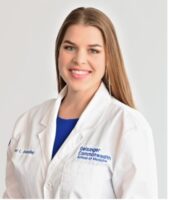 Amy Kennalley[/caption]
Amy Kennalley, MBS
First Year Medical Student
Department of Medical Education
Geisinger Commonwealth School of Medicine
MedicalResearch.com: What is the background for this study
Response: The legalization of medical marijuana (MMJ) and the number of qualifying conditions are expanding across the USA, emphasizing the need to understand the implications of MMJ dispensary distribution for equitable access. Pennsylvania (PA) legalized MMJ in 2016, with the first dispensary opening its doors in 2018. The state currently recognizes 24 medical conditions for MMJ use, including six for which there is insufficient or no evidence for their efficacy as a treatment. Prior research suggests that there is a link between proximity to dispensaries and overall MMJ use. However, a gap exists in our understanding of how dispensary locations might be associated with the specific qualifying conditions for which individuals receive their certification.
In response to this knowledge gap, our study delved into the medical marijuana dispensary access in PA and explored associations with both MMJ certifications and the community demographics. Utilizing data from the Pennsylvania Department of Health, we investigated how proximity to MMJ dispensaries related to the proportion of individuals certified for MMJ use within a specific area or Zip Code Tabulation Area. Additionally, we analyzed the proportion of certifications for conditions with varying levels of evidence supporting the efficacy of MMJ.
This pioneering study represents the first of its kind in PA, shedding light on the association between MMJ dispensary locations and certifications. Likewise, it is the first in the US to investigate the link between dispensary locations and specific qualifying conditions. By examining these dynamics, we aim to contribute vital insights to inform policy and practice, ensuring equitable access to MMJ treatment for individuals with diverse medical needs.
Amy Kennalley[/caption]
Amy Kennalley, MBS
First Year Medical Student
Department of Medical Education
Geisinger Commonwealth School of Medicine
MedicalResearch.com: What is the background for this study
Response: The legalization of medical marijuana (MMJ) and the number of qualifying conditions are expanding across the USA, emphasizing the need to understand the implications of MMJ dispensary distribution for equitable access. Pennsylvania (PA) legalized MMJ in 2016, with the first dispensary opening its doors in 2018. The state currently recognizes 24 medical conditions for MMJ use, including six for which there is insufficient or no evidence for their efficacy as a treatment. Prior research suggests that there is a link between proximity to dispensaries and overall MMJ use. However, a gap exists in our understanding of how dispensary locations might be associated with the specific qualifying conditions for which individuals receive their certification.
In response to this knowledge gap, our study delved into the medical marijuana dispensary access in PA and explored associations with both MMJ certifications and the community demographics. Utilizing data from the Pennsylvania Department of Health, we investigated how proximity to MMJ dispensaries related to the proportion of individuals certified for MMJ use within a specific area or Zip Code Tabulation Area. Additionally, we analyzed the proportion of certifications for conditions with varying levels of evidence supporting the efficacy of MMJ.
This pioneering study represents the first of its kind in PA, shedding light on the association between MMJ dispensary locations and certifications. Likewise, it is the first in the US to investigate the link between dispensary locations and specific qualifying conditions. By examining these dynamics, we aim to contribute vital insights to inform policy and practice, ensuring equitable access to MMJ treatment for individuals with diverse medical needs.