#NewJersey Tag

Health Notice: See a medical doctor promptly, rather than starting with manual therapy, if back or neck pain follows a fall or injury, or comes with numbness or weakness in the arms or legs, loss of bladder or bowel control, numbness in the groin area, fever, unexplained weight loss, or a history of cancer. Call 911 for sudden severe headache, chest pain, or signs of stroke or other unexplained or severe symptoms. Tell any chiropractor or physical therapist if you have osteoporosis, take blood thinners, or have had spine surgery as well as your complete medical history.

Editorial Notice: This article is for general information and is not specific medical advice. Practices and providers named or linked in this article are not warranted or endorsed by MedicalResearch.com or Eminent Domains Inc.

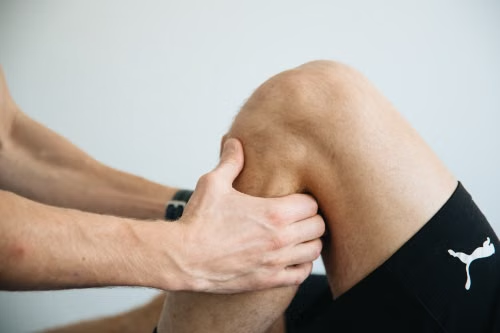
So you've been experiencing back pain, neck stiffness, or maybe your shoulder's been acting up for weeks now. Your first instinct might be to just tough it out, but at some point you realize something needs to change. Here's where things get confusing. You start researching and suddenly you're seeing recommendations for chiropractors, physical therapists, and everyone seems to have an opinion about which one is better.

The truth is, they're not really competitors. They just approach healing differently, and sometimes what you need depends on what actually caused your problem in the first place.

Substance Use Notice: Couples therapy supports, but does not replace, individual addiction treatment. Stopping alcohol, benzodiazepines, or opioids suddenly can cause dangerous withdrawal, so seek medical guidance. For confidential help finding treatment, call the SAMHSA National Helpline at 1-800-662-4357 (24/7). If you are in crisis, call or text 988. If you feel unsafe in your relationship, call 911 or the National Domestic Violence Hotline at 1-800-799-7233 (text START to 88788).

Editorial Notice: This article is for general information and is not specific medical advice. Treatment programs and providers named or linked in this article are not warranted or endorsed by MedicalResearch.com or Eminent Domains Inc.

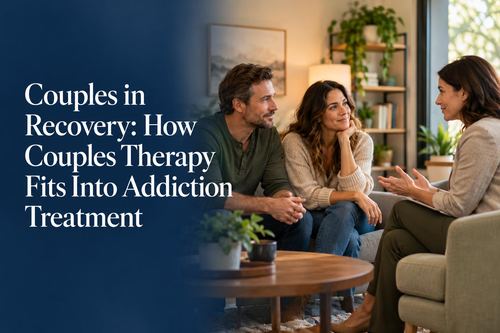
Addiction rarely affects only one person. When someone struggles with drugs or alcohol, their partner often carries a heavy burden: worry, broken trust, financial stress, and emotional exhaustion. Even after treatment begins, relationship strain can remain a powerful source of stress, and sometimes a relapse trigger.

That is why many outpatient addiction programs include couples therapy as part of treatment. Here is how couples therapy works and why it can make a meaningful difference.

Addiction Notice: If you or someone you know needs help with substance use, contact SAMHSA at 1-800-662-4357 (free, confidential, 24/7). If you are in crisis or thinking about self-harm, call or text 988. Do not stop using alcohol or other substances abruptly without medical supervision, as withdrawal can be life-threatening. This content is not specific medical advice, and treatment providers linked here are not warranted or endorsed by MedicalResearch.com or Eminent Domains Inc.

Deciding to seek help is often the first big step. The next one, choosing where to go, can feel just as weighty. Not every program is the same, and finding the right fit has a real impact on how effective your care will be. Knowing what to look for makes that choice far clearer and less overwhelming. Choose the Right Intensive Outpatient Program

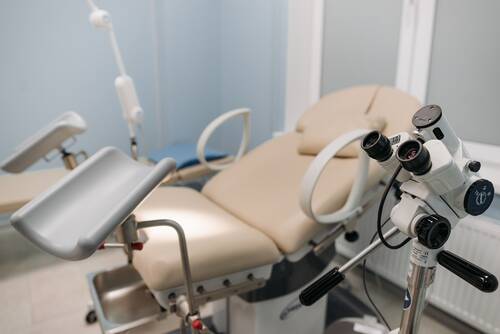
Opening a practice in New Jersey requires not only clinical expertise. Even if a provider is well-prepared to provide care to patients, they would also need to set up everything else properly from the standpoint of legal aspects, licensing, insurance, staffing, billing procedures, contract negotiations, and compliance requirements.

The earlier the above-mentioned aspects are taken into account, the more chances there are to avoid additional problems and expenses. The practice may be located ideally and staffed superbly, but face problems if the processes of crediting, cost estimates, or insurance considerations are neglected.

[caption id="attachment_74790" align="aligncenter" width="500"]starting-medical-practice-nj-pexels Photo by Pavel Danilyuk[/caption]

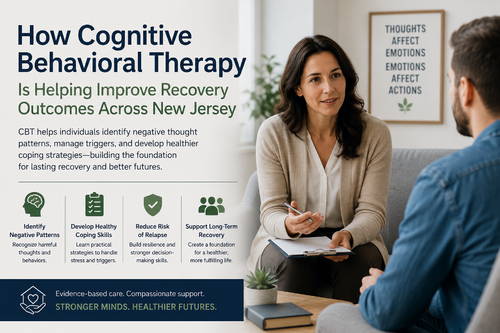
cognitive-therapy-recovery-nj.png

If you or someone you know is struggling with addiction or in crisis: Call or text the SAMHSA National Helpline at 1-800-662-4357 (free, confidential, 24/7) or call/text the 988 Suicide and Crisis Lifeline at 988. In an emergency, call 911.

How Cognitive Behavioral Therapy Supports Addiction Recovery in New Jersey

Addiction treatment has evolved significantly over the past several decades. While early recovery programs often focused primarily on physical dependence and abstinence, today's leading treatment providers recognize that long-term recovery requires addressing the underlying thoughts, emotions, and behaviors that contribute to substance use. Among the many evidence-based approaches used in modern addiction treatment, Cognitive Behavioral Therapy (CBT) has emerged as one of the most effective and widely utilized therapeutic models. By helping individuals identify harmful thought patterns and develop healthier coping strategies, CBT has become a cornerstone of recovery programs throughout New Jersey and across the country. As healthcare providers continue seeking ways to improve treatment outcomes and reduce relapse rates, Cognitive Behavioral Therapy remains an essential tool in helping individuals build the foundation for lasting recovery.