Posted at 13:43h
in
Nursing
Nursing is a demanding yet incredibly rewarding profession that requires a unique blend of skills and qualities. Successful nurses must possess more than just medical knowledge; they must embody characteristics that enable them to provide exceptional care, navigate complex situations, and foster strong relationships with patients and colleagues.
Understanding these essential qualities can help aspiring nurses and those currently in the field strive for excellence. This article will explore the key attributes that define a successful nurse, highlighting the traits that contribute to their ability to deliver high-quality healthcare and compassionate support.
1. Strong Communication Skills
Effective communication is a crucial quality for a successful nurse. Nurses must be able to convey information clearly and accurately to patients, families, and other healthcare professionals. This involves both verbal and non-verbal communication, as well as the ability to adapt messages for different audiences.
Clear communication is essential for ensuring that patients understand their diagnoses, treatment plans, and medication instructions. Miscommunication can lead to confusion, non-compliance, and even medical errors, so it is vital for nurses to articulate information in a way that is easy to comprehend. This might include using layman’s terms, providing written instructions, or demonstrating procedures.
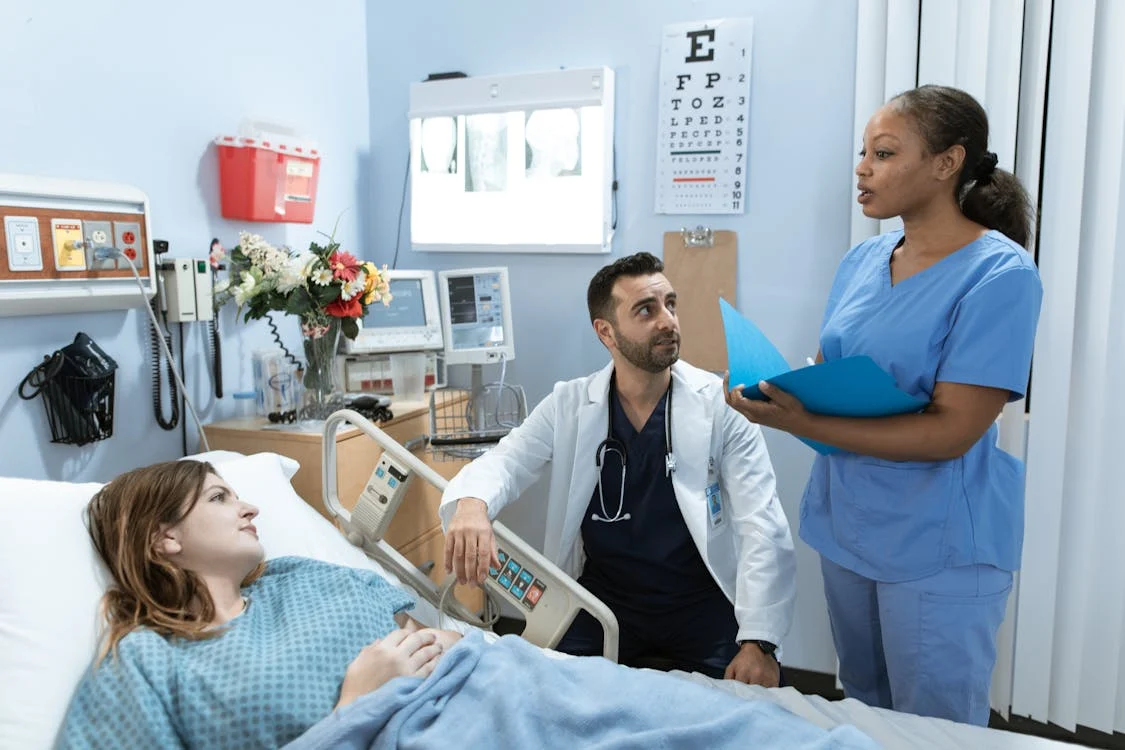
In addition to patient communication, nurses must collaborate effectively with other healthcare team members. This requires active listening, assertiveness, and the ability to provide and receive constructive feedback. Strong communication skills also involve being able to navigate difficult conversations, such as discussing prognosis or delivering bad news, with sensitivity and professionalism.
"Strong communication is a key trait in nursing, where clear information exchange can impact patient outcomes. Applying
effective negotiating tactics like active listening and tailored messaging can greatly enhance a nurse’s ability to communicate complex information compassionately and accurately." - the founder of Shapiro Negotiations Institute shares.
For nurses looking to enhance their communication skills, pursuing advanced education can be beneficial. An
online MSN nursing degree, for example, can provide specialized training in communication strategies and leadership, further preparing nurses for the complexities of the healthcare environment.










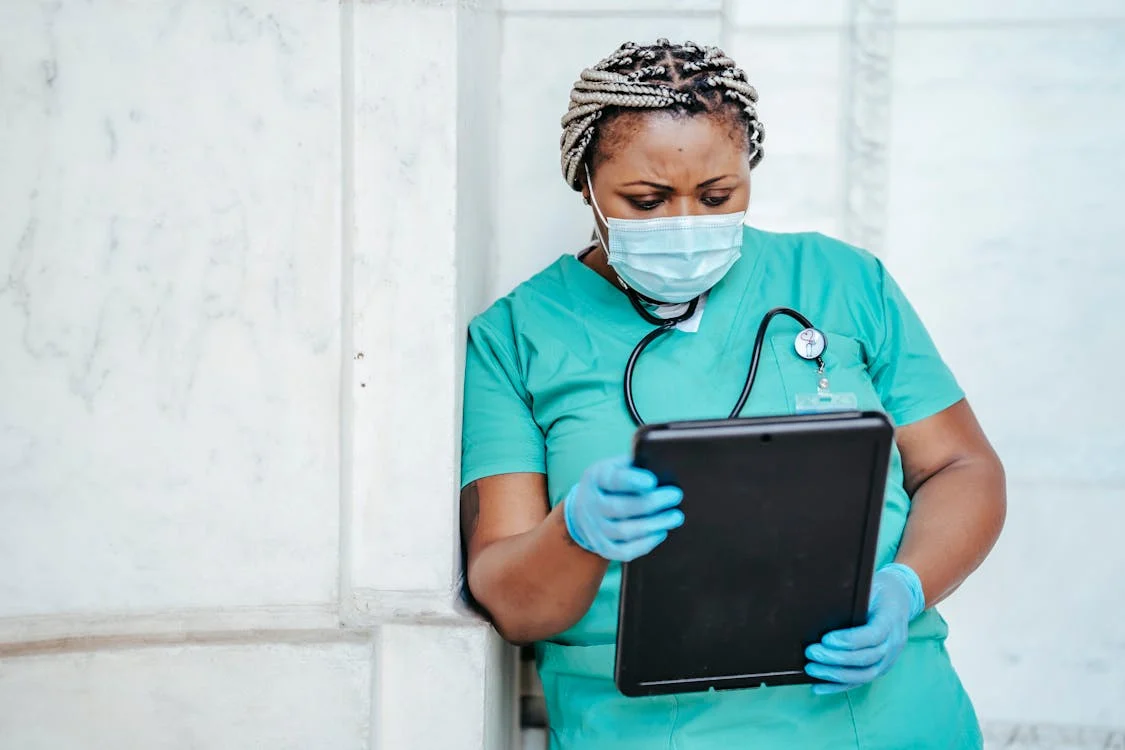
 According to the Daily Nurse, nursing is





 The importance of external support systems becomes even more crucial as the number of children with disabilities and other developmental disorders continues to surge. This trend is apparent in academic settings, where there is a rising number of students with disabilities. According to the Pew Research Center, nearly
 Compassion fatigue is when you are exposed to suffering, trauma, or similar negative emotional states in others so much that you become desensitized and indifferent to it. You may also hear it referred to as secondary trauma or vicarious trauma, with many arguing that it’s an inevitable response.
Whichever name you use, it’s a condition in which you feel physically and psychologically exhausted, resulting in a diminished capacity for empathy. This, in turn, has a negative impact on your ability to do your job as a nurse.
Sadly, compassion fatigue is not uncommon in the healthcare field, which is why it’s so important to be alert to the symptoms and understand how to respond when they arise.
Compassion fatigue is when you are exposed to suffering, trauma, or similar negative emotional states in others so much that you become desensitized and indifferent to it. You may also hear it referred to as secondary trauma or vicarious trauma, with many arguing that it’s an inevitable response.
Whichever name you use, it’s a condition in which you feel physically and psychologically exhausted, resulting in a diminished capacity for empathy. This, in turn, has a negative impact on your ability to do your job as a nurse.
Sadly, compassion fatigue is not uncommon in the healthcare field, which is why it’s so important to be alert to the symptoms and understand how to respond when they arise.

 As a specialized healthcare position where you will be responsible for the health and wellbeing of patients, nurses are required to hold a degree and a license before they can begin work. To qualify as a registered nurse, you will need to obtain a BSN degree, which typically takes around four years when studying full-time. However, if you already have a bachelor’s degree in another subject, there is an option that will allow you to become a nurse in half the time; accelerated nursing programs are designed for those who already have a bachelor’s degree and want a quick career change into nursing. The