
31 Aug Fewer Overall New Cardiovascular Drugs, But More Biologics Researched
Posted at 18:14h
in Author Interviews, Brigham & Women's - Harvard, Heart Disease, JACC, Pharmacology
MedicalResearch.com Interview with:
[caption id="attachment_27299" align="alignleft" width="125"]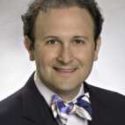 Dr. Aaron Kesselheim[/caption]
Aaron S. Kesselheim, M.D., J.D., M.P.H.
Associate Professor of Medicine at Harvard Medical School
Director, Program On Regulation, Therapeutics, And Law (PORTAL)
Division of Pharmacoepidemiology and Pharmacoeconomics
Brigham and Women's Hospital
Boston MA 02120
MedicalResearch.com: What is the background for this study? What are the main findings?
Response: It has been previously reported that the number of new cardiovascular drugs approved by the U.S. Food and Drug Administration (FDA) has declined in recent years. So we sought to empirically assess trends in the development of new cardiovascular therapeutics.
Dr. Aaron Kesselheim[/caption]
Aaron S. Kesselheim, M.D., J.D., M.P.H.
Associate Professor of Medicine at Harvard Medical School
Director, Program On Regulation, Therapeutics, And Law (PORTAL)
Division of Pharmacoepidemiology and Pharmacoeconomics
Brigham and Women's Hospital
Boston MA 02120
MedicalResearch.com: What is the background for this study? What are the main findings?
Response: It has been previously reported that the number of new cardiovascular drugs approved by the U.S. Food and Drug Administration (FDA) has declined in recent years. So we sought to empirically assess trends in the development of new cardiovascular therapeutics.
 Diana Frenier[/caption]
MedicalResearch.com Interview with:
Diane Frenier Esq
Reed Smith Corporate Partner
Member of Corporate & Securities Group and Life Sciences Health Industry Group
Background: Diane Frenier Esq discusses the M&A boom in the pharmaceutical and retail drug industry including a the
Diana Frenier[/caption]
MedicalResearch.com Interview with:
Diane Frenier Esq
Reed Smith Corporate Partner
Member of Corporate & Securities Group and Life Sciences Health Industry Group
Background: Diane Frenier Esq discusses the M&A boom in the pharmaceutical and retail drug industry including a the