Speech / 05.05.2026

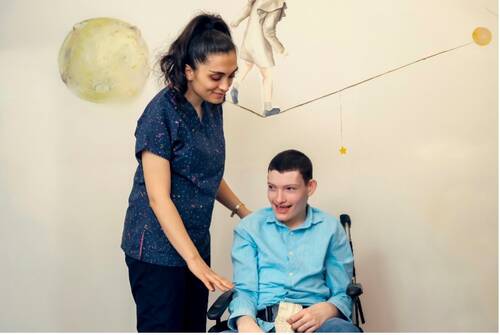
[caption id="attachment_73584" align="aligncenter" width="500"]Communication Support in Healthcare source[/caption] Hospitals, clinics, and rehabilitation centers are quietly shifting how they think about patient care. For years, the focus leaned heavily on medical procedures and recovery timelines, with communication treated as something that would eventually sort itself out. That mindset has changed. More patients are arriving with conditions that affect how they speak, swallow, or express themselves, and providers are realizing that clinical outcomes suffer when those needs go unaddressed. The result is a noticeable pull toward professionals who can bridge that gap and keep patients connected to their care teams.
Pediatrics, Speech / 19.02.2026

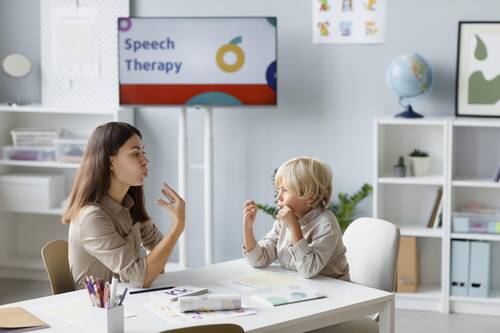
[caption id="attachment_72468" align="aligncenter" width="500"]speech-play-therapy.jpg Photo by RDNE Stock project[/caption] When parents think about speech therapy, they often imagine structured drills or repetitive exercises. While those approaches can have their place, research and experience show that play-based speech therapy is one of the most effective and engaging ways for children to build communication skills. For families seeking speech therapy in Brownsburg, this child-centered approach helps kids learn naturally—while having fun. What Is Play-Based Speech Therapy? Play-based speech therapy uses games, toys, movement, and everyday activities to support speech and language development. Instead of sitting at a table completing worksheets, children learn through interaction, imagination, and meaningful communication. A speech-language pathologist (SLP) carefully designs play activities to target specific goals such as:
  • Producing speech sounds clearly
  • Expanding vocabulary
  • Using longer sentences
  • Improving social communication
  • Following directions and understanding language
The play may look simple, but every activity is intentional and aligned with the child’s therapy goals.
Brain Injury, Speech / 18.11.2024

[caption id="attachment_64816" align="aligncenter" width="500"]speech therapy after brain injury From Freepik[/caption] Brain injuries have the ability to dramatically and permanently alter the life of a person. And among the range of effects brain injury has, the most commonly observed consequence is speech disorders.  The improvement in understanding these disorders has also led to significant advancement in speech therapy. Speech-language pathologists now have a range of techniques and therapeutic protocols at their disposal. The rate of success for speech therapy has also made great strides with many patients now making full recoveries. 

What Is a Traumatic Brain Injury (TBI)?

A traumatic brain injury happens as a result of an external force causing injury and damage to the brain. Incidents such as car accidents, falls, or physical assaults can cause TBIs. Reach out to a traumatic brain injury lawyer if your injury was a result of negligence. They can get you the compensation you need to move forward. TBIs often involve trauma to the delicate blood vessels and can also cause chemical imbalances in the brain.
Education, Pediatrics, Speech / 02.11.2024

[caption id="attachment_64492" align="aligncenter" width="500"]speech therapy Image by freepik[/caption] Technology has been benefitting the field of speech therapy for ages, but living in the digital age; we have not seen such a jump in innovations that have been helping speech-language pathologists (SLPs), otherwise known as speech therapists, better diagnose and treat patients as we have in the past few years, both in and out of therapy. In this article, we’ll discuss the cutting-edge technology, from tools to apps, that has been implemented to improve the role of speech therapy.

What are the limitations and challenges faced by speech pathologists?

As with all professions, speech therapists also share a number of limitations and challenges when it providing effective treatment for individuals. While they do make a huge difference in the lives of their patients, here are some of the biggest hurdles that SLPs face in their field:
  • Sessions and treatment are time-consuming - speech therapy requires multiple in-person sessions on a weekly basis in order to see results. It’s because of this that many people don’t attend sessions as they don’t have the time or resources to make it to regular sessions.
  • It can be difficult to keep individuals engaged - many of the methods used in traditional speech therapy can seem tedious and less engaging. This makes it difficult to motivate individuals to perform, especially when working with young children.
  • Limited accessibility - another huge limitation of speech therapy is that it’s not readily available in underserved and rural areas, which means there are a lot of people not receiving treatment purely because there isn’t a speech therapist close by.