[caption id="attachment_73982" align="aligncenter" width="500"]
 Source
[/caption]
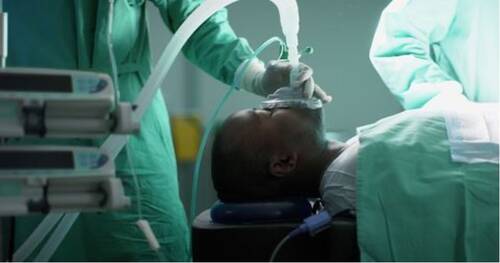
An anesthesia error happens when a medical professional makes a mistake before, during, or after administering anesthesia. These mistakes can lead to serious health complications, long-term injuries, or even death in severe cases.
Every year, hospitals and surgical centers across the United States perform millions of procedures that involve
anesthesia errors. Although modern medicine has improved patient safety, anesthesia errors still occur when healthcare providers fail to follow proper medical standards or monitoring procedures.
Patients who suffer harm from anesthesia errors often face physical pain, emotional stress, and expensive medical treatment. Because of this, medical malpractice laws provide legal protections that allow injured patients to seek compensation when negligence causes harm.

