Weight Research / 25.05.2026

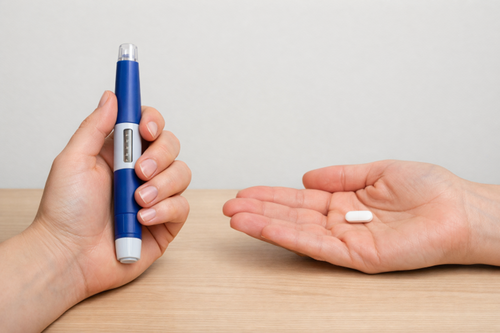
[caption id="attachment_73969" align="aligncenter" width="500"]weight-control-glp-1-drugs.jpg Pexels[/caption]

Please note: Supplements are generally not FDA tested or approved. Some supplements can interfere with medications including blood pressure meds and anticoagulants. Do not delay seeking medical attention for medical concerns by taking supplements without medical advice. Combining supplements can increase the risk of toxicity and side effects. Statements and product contents have not been independently confirmed by MedicalResearch.com or Eminent Domains Inc. Please discuss any and all supplements you take or are considering taking with your health care provider. Ratings in this post are the opinions of the contributing writer and not MedicalResearch.com or Eminent Domains Inc. Do not take supplements discussed below if pregnant, nursing or might become pregnant unless directed by your provider. Keep out of reach of children. If for any reason you experience any adverse effects or any other form of discomfort from this product, immediately discontinue use of the product and consult with your doctor or visit the hospital, emergency room, or clinic.

Do GLP-1 Drugs Cause Muscle Loss? What Patients Should Know Before Starting Ozempic, Wegovy, or Zepbound

In the STEP 1 trial of semaglutide, the drug that became Wegovy, patients lost an average of 15% of their body weight over 68 weeks. About 39% of that loss came from lean tissue rather than fat. That number has fueled a wave of concern about "muscle loss" on Ozempic, Wegovy, and Zepbound. But lean tissue is not the same as skeletal muscle. It also includes water, organs, bone, and connective tissue, and most of what's lost during weight reduction tracks proportionally with the body getting smaller. In the same trial, relative lean mass actually went up. Whether a patient holds onto skeletal muscle and strength depends less on the drug itself and more on protein intake, resistance training, and how fast the weight comes off. This article is for educational purposes only and does not replace medical advice. Do not start, stop, or change a prescription medication without speaking with a licensed clinician.
Weight Research / 11.05.2026

weight-loss-with-new-oral-medications.png

Key Takeaways

     
  • GLP-1 medications have revolutionized weight loss treatment, offering both injectable and oral options.
  • Recent FDA approvals have expanded access to these medications, with new oral formulations now available.
  • While effective, GLP-1 medications can have side effects, emphasizing the need for medical supervision.
  • Incorporating dietary fiber can help mitigate some gastrointestinal side effects associated with GLP-1 medications.
 

Table of Contents

  1. Introduction
  2. Understanding GLP-1 Medications
  3. Recent FDA Approvals
  4. Potential Side Effects
  5. Dietary Considerations
  6. Importance of Medical Supervision
  7. Conclusion
 

Introduction

In recent years, the field of weight management has experienced significant changes, thanks to a class of drugs called GLP-1 receptor agonists. These medications, which started as treatments for type 2 diabetes, have demonstrated remarkable success in supporting weight loss. Their widespread acceptance and endorsements by healthcare providers stem from their ability to help users not only lose weight but also maintain healthier lifestyles over the long term. Individuals seeking up-to-date and reputable information on options like Semaglutide for Weight Loss can explore how these solutions have changed the landscape of obesity treatment. In recent years, the field of weight management has experienced significant changes, thanks to a class of drugs called GLP-1 receptor agonists. These medications, which started as treatments for type 2 diabetes, have demonstrated remarkable success in supporting weight loss. Their widespread acceptance and endorsements by healthcare providers stem from their ability to help users not only lose weight but also maintain healthier lifestyles over the long term. GLP-1 medications are reshaping how both doctors and patients approach chronic weight issues. Unlike older interventions, these medications address appetite regulation at a hormonal level. With the introduction of oral alternatives, more people can now benefit from these scientifically backed therapies.
Semaglutide, Weight Research / 18.09.2024

If you’ve been hearing a lot of buzz about the Wegovy pen and are curious about what it can do for weight loss, you're in the right place. There’s a lot to understand, but we’re going to break it down into simple, easy-to-follow information. Whether you're exploring your options or have already made up your mind about giving it a try, here's everything you need to know about the Wegovy pen. [caption id="attachment_63382" align="aligncenter" width="500"]semaglutide-weight-loss_pexels-pixabay-53404 Source[/caption]

What is the Wegovy Pen?

Let’s start with the basics. The Wegovy pen is a once-weekly injectable medication that’s used to support weight loss in adults. It contains the active ingredient semaglutide, which is designed to help regulate appetite. In simple terms, it helps you feel fuller for longer, so you're less likely to overeat. Semaglutide mimics a hormone called GLP-1 (glucagon-like peptide-1), which plays a role in controlling hunger. By imitating this hormone, Wegovy helps reduce food cravings and manages how much you eat.
Nutrition, Weight Research / 04.09.2024

Semaglutide has emerged as a promising medication for weight loss, offering significant results for many users. Wegovy's semaglutide , a glucagon-like peptide-1 (GLP-1) receptor agonist, works by mimicking a natural hormone that regulates appetite and food intake. Combining semaglutide with healthy lifestyle changes can accelerate weight loss and improve overall outcomes. [caption id="attachment_63140" align="aligncenter" width="500"]semaglutide-weight-loss_pexels-gustavo-fring-5622219 Source [/caption] While semaglutide alone can lead to impressive weight reduction, there are strategies to enhance its effectiveness. Eating a nutritious, low-calorie diet rich in fiber and protein can complement the appetite-suppressing effects of the medication. Regular physical activity further supports weight loss efforts and overall health improvements. It's important to note that the full effects of semaglutide may take several weeks to become noticeable. Patience and consistency are key when using this medication for weight management. As with any weight loss journey, individual results may vary, but many users experience significant reductions in body weight over time.

Key Takeaways

  • Semaglutide mimics GLP-1 to regulate appetite and food intake
  • Combining the medication with a healthy diet and exercise enhances weight loss
  • Consistency and patience are crucial for optimal results with semaglutide