
08 Nov GLP-1 Medications for Weight Loss: What the Trials Show and What Patients Should Ask Firs
Prescription Medication Notice: Semaglutide and tirzepatide are prescription medications and should only be prescribed and monitored by your healthcare provider. Do not use them if you or a family member has had medullary thyroid carcinoma or multiple endocrine neoplasia syndrome type 2, or if you are pregnant or planning pregnancy. Tell your provider about all medications you take, especially insulin or a sulfonylurea. Seek prompt medical care for severe or persistent abdominal pain, which can be a sign of pancreatitis, for pain in the upper right abdomen or yellowing of the skin, or for severe vomiting or diarrhea that leaves you unable to keep fluids down. Compounded versions are not FDA-approved.
Editorial Notice: This article is general information and is not specific medical advice. Programs and providers named or linked in this article are not warranted or endorsed by MedicalResearch.com or Eminent Domains Inc.
GLP-1 medications have changed how doctors treat obesity in only a few years. Semaglutide and tirzepatide now produce weight loss in clinical trials that approaches what was once seen mainly with surgery, and demand has grown well beyond what most primary care offices can handle.
Wherever a patient starts, it helps to understand what the research supports, where the limits are, and which questions to raise before the first dose.
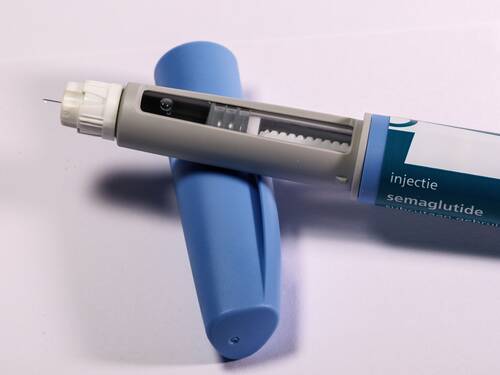
Photo by Haberdoedas Photography via Pexels
Many patients now start treatment through telehealth programs such as Telean Rx, where a licensed provider reviews their health history online before deciding whether a prescription makes sense.
How Do GLP-1 Medications Cause Weight Loss?
GLP-1, or glucagon-like peptide-1, is a hormone the gut releases after eating. It signals the pancreas to release insulin when blood sugar rises, slows how fast the stomach empties, and acts on appetite centers in the brain. GLP-1 receptor agonists such as semaglutide mimic this hormone but last much longer in the body, which allows once-weekly dosing.
In practice, patients tend to feel full sooner and think about food less often. Tirzepatide works a little differently. It activates the GLP-1 receptor and a second receptor for a hormone called GIP, and that dual action appears to add to its effect on weight.
What Do the Major Clinical Trials Show?
The STEP 1 trial, published in The New England Journal of Medicine in 2021, enrolled adults with obesity, or overweight plus at least one weight-related condition, but without diabetes. Participants who took semaglutide 2.4 mg weekly for 68 weeks lost an average of 14.9% of their body weight, compared with 2.4% in the placebo group. Both groups also received lifestyle counseling.
SURMOUNT-1, published in the same journal in 2022, tested tirzepatide over 72 weeks. Average weight loss was 15.0% at the 5 mg dose, 19.5% at 10 mg, and 20.9% at 15 mg, compared with 3.1% on placebo.
The SELECT trial in 2023 looked past the scale. In adults with established cardiovascular disease and overweight or obesity, semaglutide 2.4 mg lowered the risk of heart attack, stroke, or cardiovascular death by 20% compared with placebo. That finding matters because it suggests the benefit goes beyond appearance or body weight alone.
These are group averages from controlled trials, and individual results vary.
Who Is a Good Candidate for GLP-1 Therapy?
FDA-approved labeling for chronic weight management generally covers adults with a BMI of 30 or higher, or a BMI of 27 or higher with at least one weight-related condition such as high blood pressure, type 2 diabetes, or high cholesterol.
Some patients should not use these drugs. Both semaglutide and tirzepatide carry a boxed warning about thyroid C-cell tumors seen in rodent studies, and they are contraindicated in people with a personal or family history of medullary thyroid carcinoma or multiple endocrine neoplasia syndrome type 2. They are not used during pregnancy. A history of pancreatitis, gallbladder disease, or severe gastrointestinal disease calls for a careful conversation with the prescriber first.
What Side Effects Should Patients Expect?
Gastrointestinal effects are the most common. Nausea, diarrhea, constipation, and vomiting show up most often in the first weeks and after each dose increase. That is the reason treatment starts at a low dose and climbs slowly over several months. Eating smaller meals, stopping when full, and limiting greasy food tend to help.
Less common but more serious risks include pancreatitis, gallbladder problems such as gallstones, and dehydration that can strain the kidneys when vomiting or diarrhea is severe. Patients who also take insulin or a sulfonylurea have a higher chance of low blood sugar.
Muscle loss is another issue that gets less attention than it should. In a body composition substudy of STEP 1, lean mass accounted for roughly 40% of the total weight lost. Adequate protein intake and regular resistance training can help protect muscle during treatment.
What Happens When Patients Stop the Medication?
Weight usually comes back. In the STEP 1 extension, participants who stopped semaglutide regained about two-thirds of the weight they had lost within one year, and the improvements in blood pressure and other markers faded with it. Researchers now describe obesity as a chronic condition, and these drugs work more like blood pressure medication than a short course of treatment. Patients should know this before they start so the long-term plan is part of the first conversation.
How Are Compounded GLP-1s Different From Brand-Name Versions?
Compounded semaglutide and tirzepatide are made by compounding pharmacies rather than the original manufacturers. According to the FDA (U.S. Food and Drug Administration), they are not FDA-approved, which means the agency does not review them for safety, effectiveness, or quality before they are sold. The FDA has also received reports of dosing errors with compounded semaglutide, often tied to confusion between units and milliliters when patients draw doses from multi-dose vials, and it has warned about fraudulent and counterfeit products sold online.
That does not make every compounded product unsafe, but it does mean patients should ask more questions. Which state-licensed pharmacy prepares the medication? Is the dose given in milligrams with clear instructions? Will a provider follow up as the dose increases? A legitimate program will answer all of these without hesitation.
What Should Patients Ask Before Starting?
A short list covers most of what matters:
- Do I meet the criteria for this medication, and why is it a fit for me specifically?
- Is this the brand-name drug or a compounded version, and who makes it?
- How will my dose be increased, and who do I contact if side effects get worse?
- How should I adjust my diet and exercise to protect muscle?
- What is the plan if I want to stop or lower my dose later?
Frequently Asked Questions
How Long Does It Take to See Results?
Most patients notice reduced appetite within the first few weeks, but meaningful weight loss builds over months. In STEP 1, the dose was raised gradually over 16 weeks, and weight loss continued until about week 60 before leveling off. Patience during the early low-dose phase is normal.
Do I Need to Change My Diet While Taking a GLP-1?
Yes. The major trials paired medication with a reduced-calorie diet and increased physical activity, and the results reflect that combination. Prioritizing protein, staying hydrated, and adding strength training can make treatment more effective and easier to tolerate.
The Bottom Line
GLP-1 medications are among the most effective tools available for obesity, and the evidence for their heart benefits keeps growing. They also come with side effects, a long-term commitment, and real differences between brand-name and compounded products. Patients who understand those trade-offs before they start are in a much better position to use these drugs safely and keep the results.
For a broader overview of supervised treatment, see this MedicalResearch.com overview of why clinical oversight matters with GLP-1 treatment.
The information on MedicalResearch.com is provided for educational purposes only, and is in no way intended to diagnose, cure, or treat any medical or other condition. Some links are sponsored. MedicalResearch.com and Eminent Domains Inc. do not warrant or endorse products or claims made by third party links. Always seek the advice of your physician or other qualified health provider and ask your doctor any questions you may have regarding a medical condition. In addition to all other limitations and disclaimers in this agreement, service provider and its third party providers disclaim any liability or loss in connection with the content provided on this website.
Last Updated on November 8, 2026 by Marie Benz MD FAAD