
09 Oct What do you need to know about hypertension and BP readings?
Blood Pressure Notice: If your blood pressure is elevated and you have chest pain, shortness of breath, back pain, numbness or weakness, vision changes, or difficulty speaking, call 911 or your local emergency number immediately. This article is for general education and is not a substitute for diagnosis or treatment by a qualified healthcare provider. Do not start, stop, or change blood pressure medication without your provider’s guidance. Providers linked here are not warranted or endorsed by MedicalResearch.com or Eminent Domains Inc.
According to the World Health Organization, around 1.4 billion adults aged 30 to 79 live with hypertension, roughly a third of adults in that age group worldwide. Hypertension affects people in every country, income group, and climate.
This chronic condition is strongly influenced by lifestyle, routine, and everyday habits, as well as by age and genetics, and if not managed properly, it can lead to serious and even fatal complications. This is why hypertension is also known as the ‘silent killer’. Also called high blood pressure, hypertension puts organs including the heart, brain, kidneys, and eyes at risk, because consistently high blood pressure gives rise to several complications and long-term health issues.
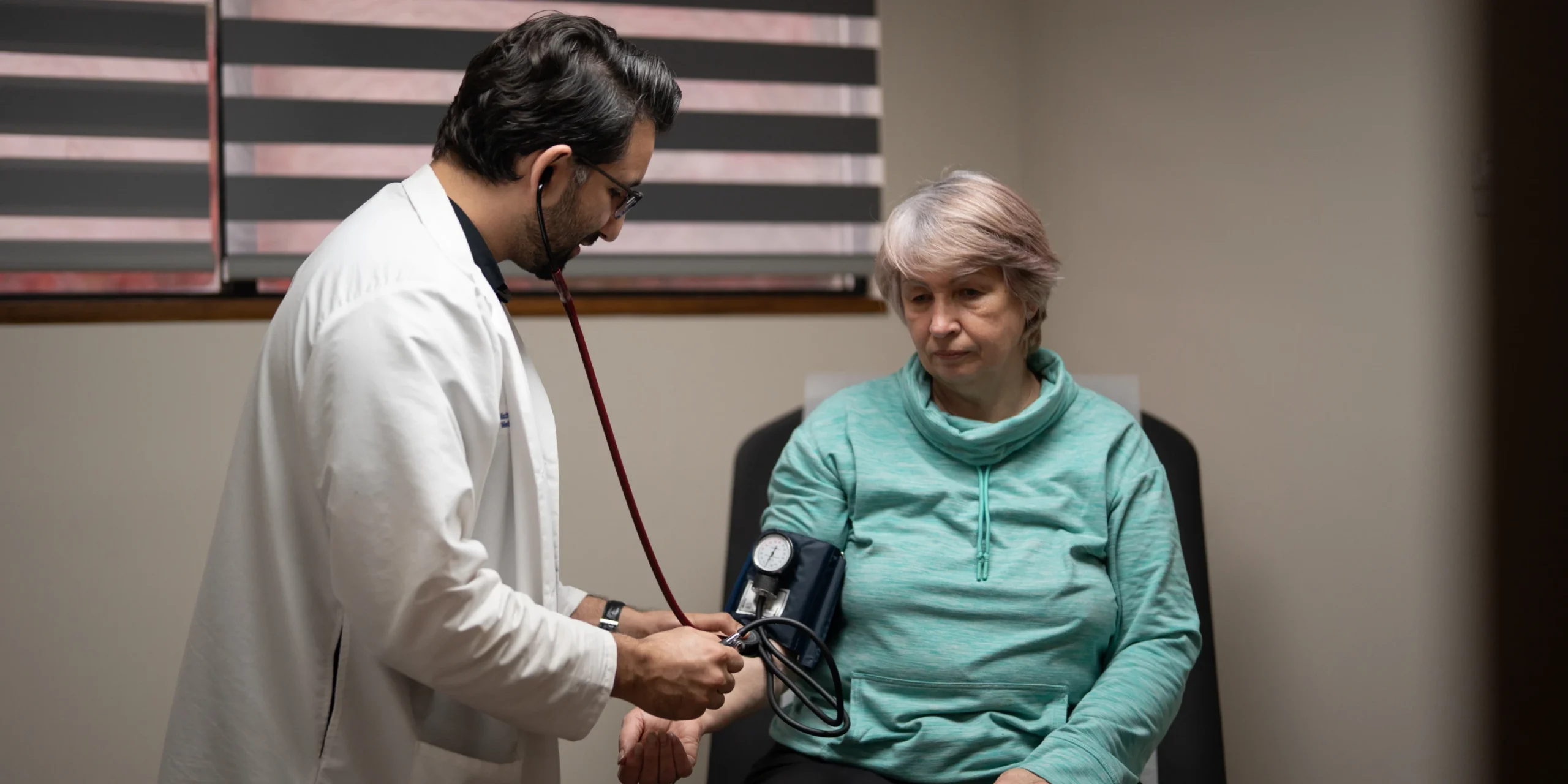
If you have hypertension with seriously high numbers on the screen, you are may be at a greater risk of stroke or long-term cardiovascular diseases. This is why everyone, whether or not affected by hypertension, should understand blood pressure numbers, risk factors, and medical guidance from a trusted family doctor in Sterling Heights or your local area.
In this article, we provide background information everyone should have regarding hypertension.
What Is Blood Pressure?
The terminology blood pressure translates to exactly what it means. It is the pressure exerted by blood against the walls of your arteries. Over time, consistently high pressure can damage and stiffen artery walls, making blood vessels less elastic and reducing healthy blood flow to vital organs. Blood pressure is measured using two numbers:
- Systolic Pressure: The top number that measures pressure when the heart beats.
- Diastolic Pressure: The bottom number that measures pressure when the heart rests between beats.
A reading of 120/80 mmHg means 120 is the systolic pressure and 80 is the diastolic pressure.
These readings help doctors evaluate how hard the heart is working and whether blood vessels are under excessive strain. Higher numbers indicate extra strain on the heart and artery walls. Very low readings, on the other hand, can sometimes reduce blood flow to organs and cause symptoms such as dizziness or fainting, and should also be discussed with your doctor.
Understanding Blood Pressure Ranges
Knowing the normal blood pressure ranges is extremely important because hypertension often develops gradually over time. Regular screening helps reveal a pattern in your readings over time.
Important: These categories are general reference ranges for adults, based on AHA (American Heart Association) and American College of Cardiology guidelines. A single high reading does not mean you have hypertension. Diagnosis is based on several readings taken on different occasions, ideally including home or out-of-office readings.
Your personal target may differ depending on your age, health conditions, and medications, so discuss it with your healthcare provider.
Normal Blood Pressure
Less than 120/80 mmHg.
Elevated Blood Pressure
Systolic: 120–129 and Diastolic: less than 80. Although not yet hypertension, elevated readings increase the likelihood of developing high blood pressure later.
There are several stages of hypertension, and they are classified to help guide the right treatment approach before the condition progresses. Treatment depends on both the stage and your overall cardiovascular risk, and controlling blood pressure earlier generally lowers the risk of complications.
Stage 1 Hypertension
Systolic: 130–139 or Diastolic: 80–89. At this stage, lifestyle changes and medical evaluation become important, and some people may also need medication.
Stage 2 Hypertension
Systolic: 140 or higher or Diastolic: 90 or higher. This stage usually requires closer monitoring and often medication alongside lifestyle changes.
Severe Hypertension / Hypertensive Crisis
Systolic: Higher than 180 and/or Diastolic: higher than 120. If you have symptoms such as chest pain, shortness of breath, back pain, numbness or weakness, vision changes, or difficulty speaking, call 911. If you have no symptoms, contact your healthcare provider promptly.
Discuss with your provider how to measure, manage and record your blood pressure at home and when to seek medical attention.
Why Is Hypertension Called the “Silent Killer”?
One of the biggest dangers of hypertension is that many people experience no obvious symptoms for years. A person may feel completely healthy while ongoing pressure damages arteries, the heart, kidneys, and brain silently in the background.
In some cases, symptoms may appear only when blood pressure becomes dangerously high, including:
- Severe headaches
- Chest pain
- Shortness of breath
- Blurred vision
- Dizziness
- Nosebleeds
- Fatigue
Because symptoms are unreliable indicators, routine blood pressure checks are critical for early detection.
Common Causes of High Blood Pressure
Hypertension can run in families, and while a healthy lifestyle cannot always prevent it, it can significantly lower your risk and help keep blood pressure under control. People with a family history of hypertension may benefit most from taking these habits seriously. Here are some factors that contribute to hypertension:
Dietary Routine
A diet that is high in sodium, contains processed foods (which are often high in sodium), sugary beverages, and unhealthy fats can directly and indirectly contribute to hypertension. High sodium intake causes the body to retain fluid, increasing the volume of blood and the pressure in the vessels. Over time, unhealthy diets can also contribute to fatty deposits that narrow and stiffen arteries.
Lack of Physical Activity
Physical inactivity is a major risk factor for hypertension and diabetes, as well as several other chronic diseases. A sedentary lifestyle, with long periods of sitting and little regular movement, weakens cardiovascular health and contributes to weight gain.
Obesity
Excess body weight places additional strain on the heart and blood vessels. It is also linked to high cholesterol and other changes that can narrow arteries and make the heart work harder.
Stress
Long-term stress may contribute to temporary or lasting increases in blood pressure. Stress hormones such as adrenaline and cortisol can make the heart beat faster and narrow blood vessels, temporarily raising blood pressure. Stress can also lead to unhealthy coping habits such as poor sleep, overeating, or drinking more alcohol.
Smoking and Alcohol
Nicotine damages blood vessels, while excessive alcohol intake affects heart function and circulation.
Age
Blood vessels naturally become less flexible with age, increasing blood pressure risk over time. Stiffer arteries are less able to absorb the force of each heartbeat, which raises blood pressure.
Why Does Monitoring Blood Pressure Matter?
Many people only check their blood pressure during emergencies or occasional doctor visits. However, regular monitoring provides valuable insight into cardiovascular health. Monitoring becomes even more important for:
- Adults over 40
- Individuals with diabetes
- Smokers
- Overweight individuals
- Patients with a family history of hypertension
A reliable family doctor in Sterling Heights whom patients trust can help interpret readings accurately and determine whether lifestyle changes or treatment are needed.
How Does Primary Care Help Manage Hypertension?
Primary care physicians play a critical role in hypertension prevention and long-term management. Regular wellness visits allow doctors to:
- Monitor trends in blood pressure
- Detect early warning signs
- Manage related conditions
- Provide nutrition and lifestyle guidance
- Adjust medications safely if needed
Patients who maintain consistent follow-up care often achieve better blood pressure control and a lower risk of complications over time.
Conclusion
Hypertension is common, but it should never be ignored. Understanding your readings, recognizing unhealthy habits, and monitoring your cardiovascular health regularly can make a major difference in preventing long-term complications. Since symptoms may remain hidden for years, routine checkups and preventive care are essential for maintaining healthy blood pressure and overall wellness.
If you are concerned about your blood pressure or want guidance on understanding normal blood pressure ranges, working with an experienced family doctor that Sterling Heights residents trust can help you take control of your health early. Preventive care, lifestyle improvements, and timely medical support remain the best defense against hypertension and its complications.
For a broader look at new ways to track blood pressure, see this MedicalResearch.com overview of research on smartphone blood pressure monitoring.
The information on MedicalResearch.com is provided for educational purposes only, and is in no way intended to diagnose, cure, or treat any medical or other condition. Some links are sponsored. MedicalResearch.com and Eminent Domains Inc. do not warrant or endorse products or claims made by third party links. Always seek the advice of your physician or other qualified health provider and ask your doctor any questions you may have regarding a medical condition. In addition to all other limitations and disclaimers in this agreement, service provider and its third party providers disclaim any liability or loss in connection with the content provided on this website.
Last Updated on October 12, 2026 by Marie Benz MD FAAD