
30 Oct What Should You Tell Your Dentist if You Haven’t Been in Years?
Editorial Notice: This article is for general information and is not specific dental or medical advice. If you take blood thinners, have an artificial heart valve or joint replacement, or have a condition that raises your risk of serious infection, tell your dentist before any treatment. Dental practices and providers named or linked in this article are not warranted or endorsed by MedicalResearch.com or Eminent Domains Inc.
If you haven’t had a dental checkup in years, you don’t need to feel embarrassed about making an appointment. Your dentist needs to know how long it has been since your last visit, whether you have noticed any changes in your teeth or gums, and whether fear, cost, time, or another concern has kept you away.
You don’t need to explain everything perfectly. You can simply say, “It’s been several years since my last dental checkup, and I’d like to get back on track. I’m a bit nervous about what you’ll find.”
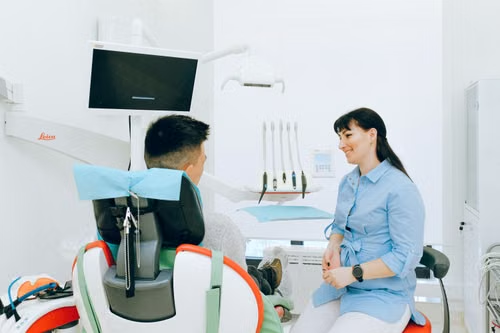
Photo by Anna Shvets via Pexels
At your appointment, your Clarksville dentist can review your health history, check your teeth and gums, and tell you what to do next. When booking, tell the dental office about any symptoms or anxiety so the team can plan for them.
Here’s a short list of things to discuss with your dentist:
- Estimated last visit: When you last visited (approximately).
- Present symptoms: Any discomfort, sensitivity or bleeding gums.
- Medication updates: Medicines you currently take, medical conditions and allergies.
- Personal concerns: Anxiety, embarrassment or financial constraints.
What Should You Tell Your Dentist in Clarksville if You Haven’t Been in Years?
When returning to dental care, sharing a few key details helps your care team plan a comfortable, effective exam. You do not need to memorize your past dental records; just share what you know.
1. When You Last Had a Checkup
Don’t worry if you can’t recall the exact month or year. An estimate, such as about three years ago or ten years ago, gives your dentist a good frame of reference.
2. Any Symptoms You Have Noticed
Mention anything you have noticed, even if it comes and goes:
- Tooth pain, pressure, or sensitivity to hot or cold
- Swollen, tender, or bleeding gums when brushing
- Persistent bad breath or a bad taste in your mouth
- Loose, chipped, cracked, or broken teeth
- Changes in how your teeth fit together when you bite
- Difficulty chewing or problems with dentures
3. Previous Dental Problems and Treatment
Tell your Clarksville dentist about any previous dental treatment you can recall, including fillings, crowns, root canals, extractions, and gum care. This helps the dentist assess your existing restorations and past treatment.
4. Medical Conditions and Medications
Your oral health is closely linked to your overall health. Bring an up-to-date list of your current medicines, medical conditions (such as diabetes or high blood pressure), and allergies. Some medications and diseases directly affect the gums and how they are treated.
5. Anxiety, Embarrassment, or Financial Concerns
Dental teams know people may avoid care because of fear, past negative experiences, busy schedules, or financial changes. Sharing your anxiety or budget constraints helps the team explain procedures step by step, schedule breaks, or prioritize treatments.
Simple Scripts for Talking to Your Dentist About Your Concerns
Starting the conversation can feel intimidating. You can use or adapt these scripts when booking or sitting in the chair:
- General script: “I haven’t had a dental checkup in several years, and I’m ready to start taking care of my teeth again. I’m not sure what condition everything is in, and I feel a little anxious about what you might find. Could you explain what you see, what needs attention first, and what can wait?”
- If you feel embarrassed: “I know it’s been a long time since my last exam, and I’m worried about being judged.”
- If you feel nervous: “Dental appointments make me anxious. Could you explain what you’re doing as you go and let me know when I can take a break?”
- If money is a concern: “I need to understand costs before agreeing to treatment. Can we focus on what is most urgent first?”
- If you have a specific symptom: “I’ve noticed pain when I chew on this side, and I’d like to have it checked today.”
Will Your Dentist Judge You for Not Going in Years?
It is common to worry about being lectured or judged after missing dental visits. However, professional Clarksville dentist teams in Tennessee focus on your current oral health and helping you move forward, rather than judging past absences.
People may pause routine dental care for many valid reasons, including schedule changes, caregiving responsibilities, fear of dental treatment, insurance changes, or budget concerns. Sharing your dental history simply helps the team understand your needs and plan safe, comfortable care.
What Happens at Your First Dental Checkup After Years Away?
Each practice has its own routine, but a first visit is usually about understanding your oral health and gathering information.
1. Reviewing Your Dental and Medical History
Your team will go over your health intake forms, past treatments, medical conditions, medications, and any immediate symptoms or concerns you shared.
2. Examining Your Teeth and Gums
The dentist performs a comprehensive oral exam. They examine every tooth for decay or wear, evaluate existing fillings or crowns, check your gums, and conduct an oral cancer screening.
3. Taking X-Rays When Needed
They may take digital X-rays to examine areas between teeth and under the gumline that can’t be seen during the exam. These images help identify hidden cavities, bone level changes, or infection. The ADA (American Dental Association) recommends that dental X-rays be taken only when needed, based on each patient’s history and exam.
4. Discussing Cleaning and Treatment
A regular cleaning may be done at the visit, depending on the condition of your gums and the time since your last visit. If there is significant buildup or gum inflammation, your dentist may recommend a separate appointment for a deeper cleaning so the treatment is comfortable and thorough.
What If the Dentist Finds a Lot of Problems?
If your dentist finds problems that have built up over time, try not to stress. Small problems can go unnoticed when visits are missed for years, but a long gap doesn’t automatically mean you need extensive work.
If you are reviewing a recommended care plan, you can ask questions such as:
- Which problems need treatment now, and which can be monitored?
- What are my treatment options?
- Approximately how much does each step cost?
- Can the treatment be broken into smaller steps over time?
You can always ask for complete explanations, written estimates, and time to consider treatment before it begins if it is not urgent.
What to Do Before Your Dental Visit in Clarksville
A few simple preparation steps can help your visit go smoothly:
- Make a list of your questions: Write down any symptoms, pain triggers, and questions you want to ask during the visit.
- Gather your health information: Bring a list of current medications, medical conditions, and your insurance information.
- Be open when booking: Tell the office about any concerns you have about dental care, being in the office, or physical needs during your appointment.
- Confirm visit details: Ask the front office whether your first visit includes an exam, X-rays and a cleaning, or whether it will take more than one visit.
If you live in Clarksville, reach out to a local dental team to explain that you are ready to return to care. Local practices like Clarksville Dental Center in Tennessee structure new-patient visits around comprehensive exams, digital imaging as needed, and open discussions about your health goals.
When Should You Book a Dental Appointment in Clarksville Sooner?
While a routine checkup can be scheduled at your convenience, certain symptoms need prompt attention:
- Constant, severe, or throbbing tooth pain
- Swollen, tender, or bleeding gums with fever or a severe bad taste
- A broken, cracked, or knocked-out tooth
- Swelling in your jaw, cheek, or neck
Note: Rapidly spreading swelling in the face or neck, high fever, or difficulty breathing or swallowing are emergencies that require immediate emergency room care or a call to 911.
Ready to Restart Your Dental Care in Clarksville?
The first step back to oral health is often easier than you think. Schedule a consultation with a local dentist, discuss your goals, and get your smile back on track.
For a broader overview of oral health, see this MedicalResearch.com overview of tips for optimum dental health and hygiene.
The information on MedicalResearch.com is provided for educational purposes only, and is in no way intended to diagnose, cure, or treat any medical or other condition. Some links are sponsored. MedicalResearch.com and Eminent Domains Inc. do not warrant or endorse products or claims made by third party links. Always seek the advice of your physician or other qualified health provider and ask your doctor any questions you may have regarding a medical condition. In addition to all other limitations and disclaimers in this agreement, service provider and its third party providers disclaim any liability or loss in connection with the content provided on this website.
Last Updated on October 30, 2026 by Marie Benz MD FAAD