Author Interviews, Dental Research / 15.12.2025

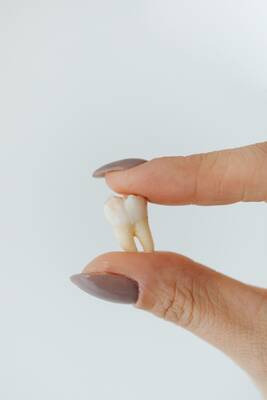
[caption id="attachment_71787" align="aligncenter" width="500"]groundhog-teeth.jpg Photo by Doug Brown[/caption] Every February 2nd, millions of people watch a groundhog emerge from its burrow to predict spring's arrival, but few stop to consider the remarkable dental adaptations that allow these creatures to thrive underground. Groundhogs possess teeth that continuously grow throughout their lives, self-sharpen through constant use, and maintain perfect alignment without ever seeing a dentist. These evolutionary marvels raise an intriguing question: what can we learn from groundhog teeth that applies to human dental health? Understanding the similarities and differences between groundhog and human teeth helps us appreciate why our dental care routines matter so much and why certain habits damage teeth that lack the groundhog's remarkable regenerative capabilities. Exploring the fascinating biology of groundhog teeth reveals principles about tooth structure, wear patterns, and the importance of proper alignment that translate directly to human dental health—even though our teeth work very differently from these continuously-growing rodent incisors.
Author Interviews, Dental Research / 20.11.2025

[caption id="attachment_71481" align="aligncenter" width="500"]dental-health-mouth-brain-connection Photo by Karola G[/caption] The relationship between oral health and brain health is closer than most people realize. In recent years, researchers have uncovered mounting evidence that poor oral hygiene can do more than damage your teeth and gums—it may also affect how your brain functions. This connection, known as the “mouth-brain link,” is gaining increasing attention in medical and dental communities.

The Role of Inflammation

One of the key factors behind the mouth-brain connection is inflammation. Periodontal disease, a common result of poor oral hygiene, causes chronic inflammation in the gums. This inflammation doesn’t just stay in your mouth. Bacteria and inflammatory molecules can enter the bloodstream and travel throughout the body, including the brain. Chronic inflammation is known to be a risk factor for cognitive decline and diseases such as Alzheimer’s and dementia.
Author Interviews, Dental Research / 12.11.2025

[caption id="attachment_71407" align="aligncenter" width="500"]Role of Early Orthodontic Intervention Source[/caption] If you live in a growing community like Pickerington, you’ve probably noticed how much emphasis families place on children’s health, from balanced diets and sports to routine medical checkups. Yet one area that often goes unnoticed is dental development. Good oral health is about more than just bright smiles. It influences how children eat, speak, and even grow. Many parents assume orthodontic treatment is something reserved for the teenage years, but experts often recommend earlier evaluations. By identifying potential bite or alignment issues early, orthodontists can guide proper jaw and tooth growth before problems become more complicated. In communities like Pickerington, where families value proactive care, early orthodontic attention is helping children achieve lasting oral health and confidence. Understanding the Value of Early Orthodontic Care When it comes to healthy smiles, timing makes all the difference. Early orthodontic intervention involves assessing how a child’s teeth and jaws are developing, often as young as age seven. At this stage, orthodontists can spot subtle issues such as crowding, bite misalignment, or early signs of jaw imbalance. For families exploring orthodontics services in Pickerington, early consultations give children the advantage of preventive care. Orthodontists in the area focus on evaluating growth patterns, monitoring developing teeth, and using gentle techniques to guide them into better alignment. They can help ensure that permanent teeth emerge correctly and that the bite functions properly, reducing the risk of more complex treatments in the future. By acting early, parents can help their children avoid the discomfort, expense, and extended treatment times that often come with delayed orthodontic correction. Early intervention isn’t just about creating straight teeth. It’s about promoting proper development and overall wellness.
Author Interviews, Dental Research / 01.10.2025

[caption id="attachment_70836" align="aligncenter" width="500"]professional-dental-teeth-whitening Photo By: Kaboompics.com[/caption]

Science of Teeth Whitening: Dentist Expertise

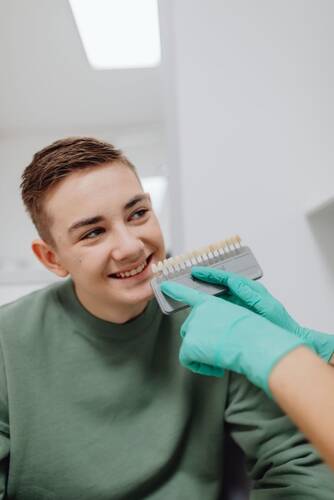
A bright and white smile is something many people desire. Although there are numerous products with claims of a sparkling smile, Understanding the science behind teeth whitening helps people make informed choices about their dental care. Teeth whitening is not a simple procedure of just applying a gel or strip to the teeth; rather, it involves an understanding of dental chemistry, enamel and safe methods of its application.  Professional care in the field of dentistry offers solutions that over-the-counter products cannot provide, As it is both safe and effective. This overview of the science behind teeth whitening shows why dentist-prescribed treatment has better and more lasting effects, while also safeguarding dental health.

What is the Process of Teeth Whitening, and how can Dentists Get the Best Possible Results?

Teeth whitening is achieved by applying special chemicals that break down stains on the surface and inside the teeth [1]. Dentists use high-strength whitening agents compared to those available in stores. They also use custom-fitted trays , which ensure the whitening gel spreads evenly across all tooth surfaces. Dentists also carefully adjust treatment time, and gel concentration for each patient, maximizing results while minimizing sensitivity. Some dental services use special LED lights or lasers to accelerate the chemical reaction by activating the whitening gel. Dentists also have the option of using protective measures to cover the gums and the sensitive areas, Thereby avoiding irritation and ensuring that the whitening action is maximized on the teeth.
Dental Research / 19.08.2025

[caption id="attachment_70335" align="aligncenter" width="500"]orthodontics-with-periodontal-disease Photo by Andrea Piacquadio[/caption] Periodontal disease is a serious oral health condition that necessitates the help of a dental professional. Due to the severity of this disease, there are various steps that must take place to reverse it or slow down its progression. But what if you decide to get orthodontic treatment to realign your smile? Can you still get braces or another orthodontic appliance when you have periodontal disease? There’s no clear-cut answer, as every case differs. Below, we’ll walk you through the steps typically taken for periodontal disease patients before undergoing orthodontic treatment. Initial Consultation Every patient receives an initial assessment before receiving orthodontic treatment. This is standard for each prospective patient. This inspection, however, is especially critical for those with periodontal disease or other oral health concerns. During this consultation, the orthodontist will not only determine what type of orthodontic treatment the patient could benefit from, but also if they’re a good candidate for such treatment. For someone with periodontal disease, the orthodontist will want to do a more exhaustive consultation to ensure compatibility with treatment.
Dental Research / 30.07.2025

[caption id="attachment_70085" align="aligncenter" width="500"]dentists-seo-attract-local-patients Photo by Tima Miroshnichenko [/caption] Many people go online to find a dentist before they book an appointment these days; this is why dentist SEO marketing is so important. It helps bring in local patients and makes your practice grow. You can reach those who are nearby and looking for dental services when you show up higher in search results. Here’s how dental SEO can help your practice. Boost Your Local Search Visibility SEO marketing helps your practice show up in search results often, and it also shows when people in your area are looking for dental services. This can make it easier for them to find you and contact you.
  • Make your Google Business page better so it shows up on maps and in local searches.
  • Use local keywords like dentist near me or family dentist in your city.
  • Get your dental practice listed in online directories in your area, so that people can find you.
  • Ask your patients to leave good reviews to help more people trust you and feel good about coming to your place.
Strong dentist seo marketing ensures your practice is visible to the people most likely to be searching for a local dental provider.
Dental Research / 19.07.2025

[caption id="attachment_69600" align="aligncenter" width="500"]dental-innovations-dentalcare Photo by Cedric Fauntleroy[/caption]

Changing Patient Expectations in Dental Care

Modern patients don’t just expect dental care—they demand it on their terms. Convenience, transparency, and personalized service are the new hallmarks of excellence. A survey by the American Dental Association revealed that 72% of patients rank dentist-patient communication as a top priority. That’s non-negotiable. Gone are the days when patients accepted one-size-fits-all treatments without question. They crave tailored experiences, streamlined scheduling, and real-time updates about their care. This shift makes adaptability crucial. Dentists have to up their game or risk falling behind. Patients are watching, and they want the future now.
Dental Research / 09.07.2025

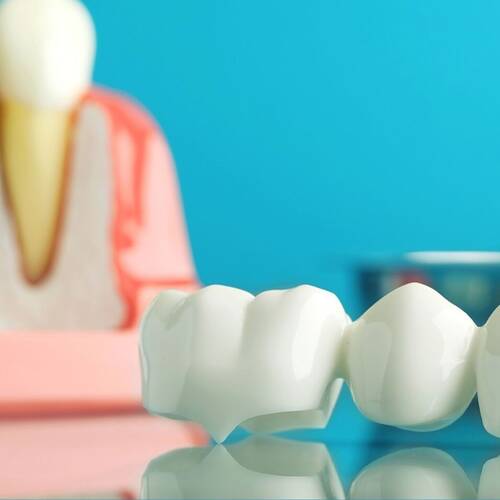
[caption id="attachment_69424" align="aligncenter" width="500"]dental-labs-dentists Photo By: Kaboompics.com[/caption] The dental industry is undergoing a technological transformation, and at the heart of this change are digital dental labs. These labs leverage advanced software and equipment to deliver precision, speed, and consistency, revolutionizing how dental practices serve their patients. From diagnostics to final restorations, here’s how digital workflows improve efficiency and accuracy, creating a win-win scenario for both dental professionals and their patients. Enhanced Accuracy and Precision Traditional dental labs rely heavily on manual impressions and craftsmanship, which can introduce inconsistencies or errors. In contrast, digital dental labs use intraoral scanners and CAD/CAM (computer-aided design/computer-aided manufacturing) systems to create highly accurate 3D models of patients’ teeth. This level of precision ensures that restorations like crowns, bridges, and implants fit perfectly, reducing the need for adjustments or remakes. These digital impressions are not only more comfortable for patients, they eliminate the need for messy molds, therefore leading to better outcomes. With exact specifications, restorations are more likely to be successful on the first try, minimizing chair time and patient discomfort. Faster Turnaround Times One of the most significant advantages digital dental labs offer is speed. Traditional workflows often involve physical shipping of impressions and manual labor, which can take days or even weeks. Digital files, however, can be transmitted instantly to the lab. With automated milling and 3D printing technologies, restorations can be produced in a fraction of the time. This rapid turnaround enables practices to deliver faster service, therefore improving patient satisfaction. In some cases, same-day restorations are even possible, helping patients get back to their routines without multiple appointments.
Dental Research / 05.07.2025

The Hidden Strength of Acrylic In the ever-evolving field of dental prosthetics, where innovations arrive regularly with promises of more comfort, better fit, and stronger materials, there’s one classic that keeps holding its ground: acrylic. At first glance, the word may not impress. It sounds simple, even outdated, when compared to high-tech composites or titanium-supported designs. But there’s more to acrylic than meets the eye. What makes acrylic dentures so enduring in popularity? Part of the answer lies in the material’s balance between form and function. Acrylic, specifically polymethyl methacrylate (PMMA), has been a staple in denture fabrication for decades. Not because the field is stuck in its ways, but because the material continues to deliver where it counts. Start with adaptability. Acrylic molds with precision, making it easier for technicians to shape dentures that feel natural and secure. This precision fit isn’t just about comfort—it supports better chewing, clearer speech, and a stronger sense of self-assurance for the wearer. The ability to color-match the acrylic base to the patient’s gum tone also plays a role in maintaining a natural appearance, something that remains a priority regardless of age. Then there’s repairability. Accidents happen—dentures fall, crack, or chip. Acrylic dentures have a major advantage here. They can often be repaired without replacing the entire set, making them both economical and practical. This feature is a quiet strength that isn’t mentioned in glossy marketing brochures but matters deeply to users and practitioners alike.
Dental Research / 23.06.2025

[caption id="attachment_69122" align="aligncenter" width="500"]fresh-breath-all-day Photo by Marcus Aurelius: [/caption] To keep your breath fresh all day, the most effective strategy is to maintain excellent oral hygiene through consistent daily care and professional dental support. Bad breath, also known as halitosis, affects about 50% of adults at some point in their lives, often resulting from poor dental hygiene, dry mouth or underlying health conditions.
  • Prioritise Oral Hygiene
Fresh breath starts with a clean mouth. Brushing your teeth twice a day for at least two minutes each time is non-negotiable. Use a fluoride toothpaste and focus on all surfaces of your teeth, don’t rush the process. Food particles and bacteria can accumulate in hard-to-reach places, particularly along the gumline and between teeth, so flossing once daily is just as important. Skipping this step allows plaque to build up, causing bad breath and other dental issues. In addition to brushing and flossing, it’s crucial to clean your tongue. The tongue harbours bacteria and debris that can produce unpleasant odours if not removed. Use a tongue scraper or the back of your toothbrush to gently clean from the back to the front.
Dental Research / 13.06.2025

Most important services offered by dentists Maintaining good oral health is essential not only for a beautiful smile but also for overall well-being. Dentists play a crucial role in ensuring that our teeth and gums remain healthy, functional, and aesthetically pleasing. With advancements in dental technology and treatment options, dental clinics today offer a wide range of services that cater to both preventive and restorative needs. Below, we explore some of the most important services offered by dentists and how they contribute to your oral health journey.

1. Preventive Dental Care

One of the most vital aspects of dentistry is prevention. Preventive care helps patients avoid the development of serious dental issues down the line. This category includes:
  • Routine Checkups: Regular dental exams (usually every six months) allow dentists to identify early signs of cavities, gum disease, or oral cancer.
  • Professional Cleaning: Dental hygienists perform deep cleaning to remove plaque and tartar that regular brushing can’t eliminate.
  • X-rays and Imaging: These help diagnose hidden problems such as impacted teeth or jawbone issues.
By visiting a trusted clinic like Genesis Dentists, you ensure that these preventive measures are tailored to your specific needs, catching problems early and reducing long-term treatment costs.
Dental Research, Technology / 10.06.2025

[caption id="attachment_68970" align="aligncenter" width="500"]cutting-edge-dental-technology Source[/caption] Dental care has experienced a remarkable transformation over the past few decades, driven by technological innovation and research breakthroughs. Patients today benefit from more precise diagnostics, minimally invasive treatments, and enhanced comfort during dental procedures. If you’re searching for a reliable Dentist Joliet il, understanding the latest technological advances can help you make informed choices for your oral health. Modern dental technology is not only about convenience; it fundamentally improves patient outcomes by increasing treatment accuracy, reducing recovery times, and preventing complications. These innovations have revolutionized everything from routine cleanings to complex surgeries, making dental visits less intimidating and more effective than ever.
Dental Research / 12.05.2025

Innovations in orthodontic care In the evolving field of orthodontics, staying at the forefront of technology is essential for achieving the best patient outcomes. Recent advancements in orthodontic techniques are revolutionizing how treatments are planned and executed. From AI-driven tools to innovative materials, these developments are reshaping patient care. As you delve into the world of modern orthodontics, it's clear that local professionals, such as an orthodontist rochester, are instrumental in integrating these advancements into daily practice, enhancing the overall patient experience. Orthodontic care has undergone significant transformations with the advent of new technologies and materials. These changes are enhancing treatment precision and improving patient satisfaction. With AI-driven treatment planning, orthodontists can predict treatment outcomes with greater accuracy, allowing for more personalized and efficient care plans. This technological evolution represents a shift towards more data-driven approaches, ensuring that each patient receives tailored treatments suited to their unique needs.
Dental Research, Sleep Disorders / 09.05.2025

orthodontics-better-sleep

Orthodontic care is increasingly recognized for its potential to improve sleep quality. By addressing oral structural issues, these treatments can alleviate symptoms of sleep apnea, leading to healthier sleep patterns. Understanding these benefits can guide individuals in seeking effective solutions for better rest. The relationship between orthodontic care and sleep quality has become a significant area of interest in medical research. Misaligned oral structures can obstruct airways during sleep, causing conditions like sleep apnea. Orthodontic treatments, such as braces or aligners, aim to correct these misalignments, potentially reducing apnea episodes and enhancing sleep quality. By consulting with professionals, individuals can explore personalized solutions that address their specific needs, ultimately leading to improved sleep health. For those residing in Missouri, consulting an orthodontist st louis can provide tailored solutions that align with their specific needs. Recent studies have demonstrated that proper dental alignment plays a vital role in maintaining optimal airway function during sleep. When teeth and jaw structures are properly aligned, the tongue naturally rests in a position that promotes better breathing. This alignment creates more space in the oral cavity, reducing the likelihood of airway obstruction during sleep cycles. Additionally, correct dental alignment can help prevent common issues like mouth breathing, which often disrupts natural sleep patterns and leads to poor quality rest. The impact of orthodontic intervention on sleep quality extends beyond physical adjustments. When oral structures are properly aligned, patients often experience reduced anxiety about their breathing patterns, leading to easier sleep onset. This psychological benefit compounds the physical improvements, creating a comprehensive approach to better rest. Regular orthodontic evaluations can help identify potential issues early, allowing for preventive measures that maintain optimal sleep conditions throughout life.
Dental Research / 29.04.2025

[caption id="attachment_67975" align="aligncenter" width="500"]dental-aligners-teethaligners Photo by Arvind Philomin[/caption] A discreet and practical approach to get a straight smile, teeth aligners have transformed orthodontic treatment. Aligners offer a pleasant and almost unnoticeable approach for tooth straightening unlike conventional braces. Many people look for techniques to hasten their treatment and guarantee best results. One can hasten the alignment process by keeping good oral hygiene, following correct care habits, and following treatment recommendations. Faster results depend much on professional consulting and expert advice. Those seeking Teeth Aligners in Melbourne  might investigate cutting-edge treatment choices to improve their orthodontic path.
Dental Research / 21.04.2025

Versailles Dental Clinic

Introduction

A confident smile can significantly impact your personal and professional life. For those struggling with missing teeth, dental implants offer a permanent and natural-looking solution. At Versailles Dental Clinic in Dubai, we specialize in transforming smiles with advanced dental implant procedures.​

What Are Dental Implants?

Dental implants are titanium posts surgically placed into the jawbone, acting as artificial tooth roots. Once integrated, they support crowns, bridges, or dentures, restoring both function and aesthetics.​
Dental Research / 27.03.2025

Revolutionizing orthodontic care The field of orthodontics has undergone a profound transformation, ushering in a new era of patient care. Modern techniques are not only revolutionizing how treatments are administered but also significantly enhancing patient experiences. By focusing on both comfort and efficiency, these innovations are setting new benchmarks for successful treatment outcomes. Orthodontic care has seen significant evolution over recent years, with cutting-edge advancements redefining patient experiences and improving treatment results. With the integration of modern technologies, orthodontists can now offer solutions that were once considered futuristic. As an individual seeking orthodontic treatment, understanding these advancements can help you make informed decisions about your dental health. For those in the area, considering an orthodontist fond du lac might provide access to these advanced care options.
Dental Research / 24.03.2025

[caption id="attachment_67500" align="aligncenter" width="500"]general-dentistry-dental-health Photo by Photo By: Kaboompics.com[/caption] General dentistry is the foundation of oral health. It promotes gum, tooth, and mouth health while emphasizing the prevention of issues before they have the chance to grow into bigger ones. Dental visits to a general dentist can mean not needing to spend money on costly procedures. Understanding why everyone needs general dentistry comes from realizing just how vital it is. The Importance of Preventive Care At the heart of dentistry is preventive care. It includes basic dental exams, check-ups, and cleanings that all work together to help maintain healthy, strong teeth and gums. A general dentist can spot small problems before they grow into big ones. Plaque and tartar — unwanted gunk that builds up on teeth — lead to cavities and gum disease. Plaque — which is a sticky film of bacteria — hardens into tartar if it’s not cleared away. At home, brushing and flossing control plaque, but they won’t remove tartar. It should be professionally cleaned by a dentist to help prevent gum disease and dental issues associated with tartar build-up. Dentists also take X-rays during the checkup to identify problems not visible to the naked eye, such as impacted teeth, hidden cavities, or bone loss. The sooner you discover such issues, the less costly and easier they are to resolve. For example, you might get a small cavity filled, but if you don't keep coming in, that cavity's going to progress to the point where you need a root canal. General dentists also look for signs of gum disease. In its first stage, gingivitis produces red, inflamed, and bleeding gums. If identified early, gingivitis is easy to treat. Untreated, however, it tends to progress to periodontitis, a more serious condition that requires complex, costly treatment.
Dental Research / 21.03.2025

[caption id="attachment_67416" align="aligncenter" width="500"]dental-tourism-india Pexels image[/caption] What is Dental Tourism? Dental tourism means traveling to another country to get dental treatment at a lower cost. Many Australians are choosing India for their dental care because it is much cheaper than in Australia. You can save up to 70% on dental treatments while also enjoying a vacation in a beautiful and culturally rich country. Why is Dental Treatment so expensive in Australia? Dental care in Australia is very costly. A simple dental procedure can cost thousands of dollars, making it unaffordable for many people. Here are some reasons why dental treatment is expensive in Australia:
Dental Research / 03.03.2025

[caption id="attachment_66962" align="aligncenter" width="500"]family-dentistry-dentists Photo by Pixabay[/caption] Going to the dentist can be a daunting experience for many people, regardless of age. However, family dentists play a crucial role in ensuring that both adults and children have a positive and comfortable experience during their dental visits. By offering comprehensive care in a warm and welcoming environment, family dentists help alleviate fears, build trust, and promote lifelong oral health. A Comfortable and Familiar Environment One of the key ways family dentists enhance the dental experience is by creating a friendly and reassuring atmosphere. Unlike specialized dental clinics that cater only to adults or children, family dental offices are designed to accommodate patients of all ages. The waiting areas are often decorated with a welcoming touch, featuring toys, books, and soothing colors to make children feel at ease, while also providing a comfortable space for adults. Family dentists and their staff are trained to handle patients with different needs and concerns, ensuring that both young children experiencing their first dental visit and adults undergoing complex procedures receive compassionate and personalized care. This approach helps build long-term trust and reduces anxiety associated with dental visits.
Dental Research / 21.01.2025

Recent years have witnessed groundbreaking advancements in dental chair design, combining science, engineering, and patient-centered care to enhance comfort and accessibility. With nearly 36% of the global population reporting some degree of dental anxiety, according to the World Health Organization (WHO), these innovations are poised to improve the experience for both patients and dental professionals alike. [caption id="attachment_66029" align="aligncenter" width="376"]dental-chair-ergonomics Source Unsplash[/caption]

Addressing Patient Comfort

Modern dental chairs are now equipped with features designed to alleviate patient discomfort during procedures. Traditional dental chairs often lacked adequate lumbar support and adjustability, which could lead to prolonged discomfort during lengthy treatments. However, ergonomic designs have redefined these standards. Memory Foam and Contoured Padding: Today’s dental chairs often feature memory foam cushioning that conforms to the patient’s body, reducing pressure points. Contoured padding supports the natural curves of the spine, ensuring that patients remain comfortable even during extended procedures. Dynamic Adjustability: Adjustable headrests, armrests, and seat angles now come standard in many chairs, allowing for customized positioning. This flexibility not only improves patient comfort but also accommodates individuals of varying sizes and mobility levels. Noise Reduction Technology: A subtle but significant improvement in some models is the incorporation of noise-reduction mechanisms. By minimizing motor sounds during chair adjustments, manufacturers aim to reduce anxiety triggers for patients.
Dental Research / 23.12.2024

Dental implants have become a popular and effective solution for individuals looking to replace missing or damaged teeth. Unlike dentures or bridges, implants offer a permanent option that mimics the look and function of natural teeth. Below, we provide everything you need to know about dental implants to make an informed decision. [caption id="attachment_65647" align="aligncenter" width="333"]dental-implants Photo by cottonbro studio[/caption]

1. What Are Dental Implants?

Dental implants are artificial tooth roots made of biocompatible materials, typically titanium, which are surgically placed into the jawbone. These implants provide a sturdy foundation for fixed or removable replacement teeth designed to match your natural teeth.

Key Components:

  • Implant Post: The titanium screw that integrates with the jawbone.
  • Abutment: The connector placed on top of the implant post.
  • Crown: The visible part of the tooth that attaches to the abutment.
Dental Research / 12.12.2024

Orthodontics, beyond its aesthetic benefits, plays a critical role in maintaining oral health, a concept that is often overlooked. Henderson experts argue that orthodontics is not merely about straightening teeth for a beautiful smile, but it is primarily about creating a healthy mouth environment. They underscore the role of orthodontics in preventing serious oral health complications including tooth decay, gum disease, TMJ disorders, and sleep apnea, among others. How, then, does orthodontics manage to accomplish this? The answer lies within the evolving field of orthodontic treatments and the growing understanding of oral health among professionals. orthodontic-insights.jpg

Understanding Orthodontics

Delving into the domain of orthodontics, one immediately encounters a discipline that plays an integral role in oral health. Orthodontics, a specialized branch of dentistry, focuses on correcting teeth and jaw alignment issues through the use of various appliances. An understanding of orthodontic terminology is a key component in comprehending this complex field. Orthodontic terminology includes a vast array of terms that describe conditions, processes, and equipment used in treatments. For instance, malocclusion refers to irregular alignment of the teeth, while brackets, commonly known as braces, are devices attached to teeth to correct such alignment issues. Additionally, retainers are appliances often used post-treatment to maintain the desired tooth position. In recent years, there have been significant advancements in orthodontic treatment methods, enhancing their effectiveness and improving patient comfort. The advent of clear aligners, such as Invisalign, has revolutionized the industry, offering a virtually invisible method for straightening teeth. In addition, the use of temporary anchorage devices (TADs) has increased precision in tooth movement, providing excellent results for complex cases. The science of orthodontics, with its specialized terminology and treatment advancements, is an essential aspect of oral health, contributing to improved aesthetics and functionality.
Dental Research, Technology / 12.12.2024

In today’s digital age, the role of technology in dentistry has evolved tremendously, and one of the most significant advancements is the use of intraoral camera. These compact, high-resolution devices have revolutionized the way dental professionals diagnose, document, and treat oral health issues. Traditional methods of documentation, relying on written notes or mental recollection, have been replaced by precise, visual records that provide a clearer, more accurate view of a patient's oral condition. intraoral-camera.jpg Intraoral cameras not only allow for real-time, detailed images of the inside of a patient's mouth, but they also enhance the overall accuracy of dental records, ensuring that every nuance of a patient’s oral health is captured and preserved. This enhanced documentation benefits both patients and practitioners, improving diagnostic outcomes, treatment planning, and the overall quality of care. But how exactly does an intraoral camera contribute to more accurate dental records? In this article, we will explore the many ways in which these cutting-edge tools are shaping the future of dental care and record-keeping.

1. Enhanced Diagnostic Accuracy

The primary function of an intraoral camera is to provide detailed, real-time images of the inside of the patient’s mouth. With traditional visual exams, a dentist’s ability to assess the full extent of a dental issue can be limited by the quality of their view and the complexity of the area in question. The intraoral camera, however, allows the dentist to zoom in on small areas, capture high-definition images, and evaluate conditions more closely, ensuring no detail is overlooked. For example, with the help of an intraoral camera, a dentist can easily spot the early stages of cavities, cracks in teeth, worn-down enamel, or signs of gum disease—conditions that may not be readily visible during a traditional examination. By capturing high-quality images of these issues, the camera allows for more accurate record-keeping, ensuring that all details are documented for future reference, comparison, and treatment planning.
Dental Research / 10.12.2024

In the vibrant city of Las Vegas, where appearances and confidence often hold significant value, dental implants emerge as a compelling option for those seeking long-lasting dental solutions. Beyond their immediate aesthetic benefits, these implants offer unparalleled durability and functionality, factors that make them a prudent investment in the long run. Las Vegas residents may find themselves weighing the initial costs against the enduring advantages, such as preventing bone loss and maintaining oral health. Yet, the true value of dental implants extends beyond mere practicality. The question arises: could this be the transformative choice many have been seeking?

Benefits of Dental Implants

Understanding the benefits of dental implants is vital for individuals considering this advanced dental solution. Dental implants offer a durable, aesthetic, and functional replacement for missing teeth, enhancing overall oral health and quality of life. Unlike traditional dentures or bridges, implants are anchored directly into the jawbone, providing a stable foundation that mimics natural tooth roots. This integration not only improves chewing efficiency and speech clarity but also prevents bone loss, a common risk factor associated with missing teeth. Patient-focused care emphasizes the importance of understanding potential risk factors before undergoing implant surgery. These may include pre-existing health conditions such as diabetes or osteoporosis, which could affect healing and implant success. Detailed consultation with a dental professional is important to assess these risks and tailor a treatment plan accordingly. Moreover, the longevity of dental implants is greatly influenced by maintenance tips provided by dental experts. Patients should adhere to a rigorous oral hygiene regimen, including regular brushing, flossing, and routine dental check-ups, to prevent peri-implant diseases. By following these maintenance tips, patients can optimize their implant longevity, ensuring a lifetime of improved oral function and aesthetics. This thorough approach underscores the transformational benefits dental implants provide.
Dental Research / 01.12.2024

A beautiful, radiant smile can boost your confidence and leave a lasting impression. However, not everyone is born with a flawless smile, and imperfections such as discolouration, chips, gaps, or misalignment can affect the way you feel about your teeth. Veneers offer a simple, effective solution to transform your smile. If you're looking for a way to enhance your teeth, veneers in London might be the ideal option. In this article, we’ll explore what veneers are, how they work, and why London is a great place to get them. [caption id="attachment_65425" align="aligncenter" width="500"]dental-veneers Photo by Photo By: Kaboompics.com [/caption]

What Are Veneers?

Veneers are thin, custom-made shells designed to cover the front surface of your teeth. They are typically made from porcelain or composite resin and are bonded to your natural teeth to improve their appearance. Veneers are highly effective for correcting a range of cosmetic dental issues, including stains, chips, gaps, and misalignment. These shells are designed to match the natural colour, shape, and size of your teeth, giving you a seamless, natural-looking smile. Veneers are durable and can last for many years with proper care. They are often considered a minimally invasive option for achieving a perfect smile without the need for extensive dental work.

Why Choose Veneers in London?

London is home to some of the world’s leading cosmetic dentists, many of whom specialise in veneer treatments. There are several reasons why choosing veneers in London can be a great decision:
Dental Research / 19.11.2024

[caption id="attachment_64837" align="aligncenter" width="500"]why-you-shouldn't-wait-for-dentist Image Source[/caption] Many people wait far too long before going to the dentist, even if they are in pain every day. It can be scary to think that you might have to suffer through an expensive surgery or procedure, and so people often hold out for far too long before they go to the dentist. Your Marietta dentist can help you nip dental problems in the bud right away so that they do not turn into long-term dental health concerns. In most cases, the longer that you wait to get care, the more damage your teeth will suffer and the more expensive the repair will be.

Things You Should Go to Your Dentist About Right Away

Many people are not even aware of what counts as a dental emergency and so they don’t even know when to be concerned. It can be simple to take a wait and see approach to dental issues since they might not cause you lots of pain at first. However, suffering from serious discomfort isn’t always the first sign of a dental health concern.
Dental Research, Pediatrics / 08.11.2024

  [caption id="attachment_64667" align="aligncenter" width="500"]Pediatric dentists Pexels Photo by Pixabay [/caption]  

Why Pediatric Dentists Are Important for Kids? 

Pediatric dentists aren’t just regular dentists—they’re specialists trained specifically to care for children’s dental health from infancy through the teenage years. This specialized training means that they understand more about baby teeth, growing jaws, and the best ways to help kids feel comfortable during a dental visit. Pediatric dentists often complete additional training after dental school to become experts in managing children’s unique dental needs, behaviors, and even anxieties.  Their offices are designed to make kids feel safe, comfortable, and at ease. From playful decorations and kid-sized chairs to dentists who know how to talk to children about their oral health, pediatric dental clinics are usually kid-friendly spaces. These environments can make a big difference, especially for kids who feel nervous or scared about visiting the dentist.  But the care that pediatric dentists provide goes beyond just helping kids feel relaxed. Pediatric dentists are skilled at managing dental issues unique to children, such as dealing with baby teeth, guiding the eruption of adult teeth, and addressing early signs of cavities, gum disease, and other issues. They also understand the importance of early intervention in preventing long-term dental problems. 
Dental Research / 27.10.2024

[caption id="attachment_64322" align="aligncenter" width="500"]prevent-dental-problems.png Source[/caption] Dental care can sometimes slip to the bottom of people’s lists of things to do. This might be due to the cost, due to fear of the dentist, or due to distractions in life. Many people incorrectly believe that they can ignore dental problems until they start to cause pain or dentition issues, but this is actually the last thing that you should do. Your dentist in Buckhead, GA can help you to prevent long-term health issues that can be avoided with proper dental care. Your tooth and gum health impacts your overall well-being and things like your nutrition. Having good oral health also ensures that you increase your risk of getting a serious infection that can damage your heart or other organs.

Why You Need to Go to the Dentist to Prevent Problems

Your oral health is key for your overall well-being. These are the reasons that you need to take your oral well-being seriously and go to the dentist on a regular basis. Getting a cleaning and check-up at least once a year is important for many reasons. Preventing oral health issues requires a complete dental care protocol that you stick to each and every year.