
23 Mar How Often Should You Get Your Eyes Checked? A Practical Guide
Routine eye check-ups are often overlooked, especially when vision seems fine. However, regular screening plays a critical role in maintaining long-term eye health. Many eye conditions develop gradually without obvious symptoms, making early detection essential.
The frequency of eye exams varies depending on age, lifestyle, and overall health. Understanding these factors can help you stay consistent with your eye care routine.
Eye Check-Ups for Children
Children rely heavily on their vision for learning and development. Undetected vision problems can affect reading, concentration, and academic performance.
It is generally recommended that children undergo their first comprehensive eye exam before starting school. After that, check-ups every one to two years are advisable, depending on their needs.
Parents should also watch for signs such as squinting, frequent eye rubbing, or difficulty focusing. Early detection ensures timely correction and supports proper visual development.
Eye Check-Ups for Adults
For adults, eye health often takes a backseat to daily responsibilities. However, regular check-ups are still necessary even if there are no noticeable issues.
Adults between the ages of 20 and 39 should consider an eye exam every two years. Those between 40 and 64 may need more frequent check-ups, especially as age-related changes begin to appear.
Lifestyle factors also play a role. Individuals who spend long hours on screens, wear contact lenses, or have a family history of eye conditions may require more frequent monitoring.
Eye Check-Ups for Seniors
As people age, the risk of eye conditions increases. Cataracts, glaucoma, and macular degeneration become more common after the age of 60.
For seniors, annual eye exams are strongly recommended. Regular monitoring allows for early detection and management of these conditions, helping preserve vision and independence.
Vision changes in older adults can be subtle, making routine screening even more important.
Special Considerations
Certain health conditions can affect eye health and require closer monitoring. Individuals with diabetes, high blood pressure, or autoimmune disorders should schedule regular eye exams as advised by their healthcare provider.
Pregnancy can also cause temporary vision changes due to hormonal shifts. While these changes are often temporary, it is still advisable to consult a professional if symptoms persist.
What Happens During an Eye Check-Up
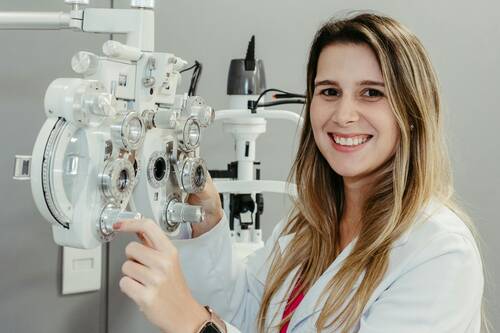
A comprehensive eye exam goes beyond checking visual clarity. It typically includes tests for refractive errors, eye coordination, and overall eye health.
Specialized equipment may be used to examine the retina and optic nerve. These assessments help detect early signs of conditions that may not yet show symptoms.
Regular check-ups provide a baseline for your eye health, making it easier to identify changes over time.
The Role of Preventive Care
Preventive care is one of the most effective ways to protect your vision. Even if your eyesight feels normal, underlying issues may still be present.
Scheduling regular eye screening in Singapore ensures that potential problems are detected early. This approach reduces the risk of complications and supports long-term eye health.
Consistency is key. Skipping check-ups may allow minor issues to progress into more serious conditions.
Building a Sustainable Routine
Incorporating eye exams into your routine does not have to be complicated. Setting reminders or aligning check-ups with other health appointments can make the process more manageable.
Small habits such as taking breaks from screens, maintaining proper lighting, and staying hydrated also contribute to better eye health. These efforts work best when combined with regular professional evaluation.
Final Thoughts
Eye care is an ongoing process that evolves with age and lifestyle. While it is easy to assume that clear vision means healthy eyes, this is not always the case.
Following a consistent schedule for eye check-ups allows for early detection and timely treatment. Whether you are managing screen time, monitoring age-related changes, or addressing specific concerns, regular exams provide valuable insight into your eye health.
Taking a proactive approach today can help protect your vision for years to come.
—
The information on MedicalResearch.com is provided for educational purposes only, and is in no way intended to diagnose, cure, or treat any medical or other condition. Some links are sponsored. Products, providers and services are not warranted and endorsed.
Always seek the advice of your physician or other qualified health and ask your doctor any questions you may have regarding a medical condition. In addition to all other limitations and disclaimers in this agreement, service provider and its third party providers disclaim any liability or loss in connection with the content provided on this website.
Last Updated on March 23, 2026 by Marie Benz MD FAAD