
14 May Summer Child Health in Alaska: What Every Parent Should Know Before the Season Starts
Alaska summers are unlike summers anywhere else. The days are long enough that children will beg to stay outside past 10 p.m., the rivers and trails fill with families making the most of a brief and beautiful season, and the pace of life shifts in ways that can loosen normal routines around sleep, eating, and supervision. All of that is part of what makes an Alaska summer memorable. It also creates a distinct set of child health considerations that parents are wise to think through before the season hits full stride.
Urgent care for children in Alaska sees a reliable seasonal pattern every summer: more injuries, more sun-related illness, more waterborne exposure, and more cases where a small problem became a bigger one because a family did not know where to turn.
The good news is that most summer health issues affecting children are preventable, recognizable, and treatable when addressed promptly. Knowing what to watch for and where to go if something goes wrong is the best preparation any Alaska parent can do before the summer gets underway.
Sun Exposure Is a Real Risk Even in Alaska
Many Alaska parents underestimate UV exposure because the weather rarely feels hot. But Alaska’s summer sun, particularly at higher latitudes where it sits low on the horizon for extended hours, delivers real ultraviolet radiation even on overcast days. Children have thinner skin than adults and burn faster. Repeated sunburns in childhood are a significant risk factor for skin damage later in life.
Apply broad-spectrum SPF 30 or higher sunscreen to children before outdoor activity and reapply every two hours or after water exposure. Wide-brimmed hats and UV-protective clothing reduce the need for constant reapplication. For infants under six months, the AAP recommends keeping them out of direct sun entirely and using shade and protective clothing as the primary protection strategy.
Dehydration Happens Faster Than Parents Expect
Alaska’s dry interior air and long summer days combine to dehydrate children quickly, especially when they are active outdoors. Children are less reliable than adults at recognizing thirst before dehydration has already set in. By the time a child says they are thirsty, they may already be mildly dehydrated.
Encourage water intake throughout outdoor activity rather than waiting for thirst. Signs of dehydration in children include dry mouth, decreased urine output, fatigue, and irritability. Severe dehydration, which can occur faster in young children, may include sunken eyes, rapid breathing, and significant lethargy. Any child showing those symptoms warrants prompt medical evaluation.
Water Safety Is Alaska-Specific
Alaska’s waterways are cold year-round, even in summer. Glacier-fed rivers, lakes with high snowmelt volume, and coastal waters around Juneau, Kodiak, and the Kenai Peninsula rarely warm to the temperatures families might expect from a summer swim. Cold water shock is a genuine danger: even strong swimmers can lose muscle control within minutes of entering water below 60 degrees Fahrenheit.
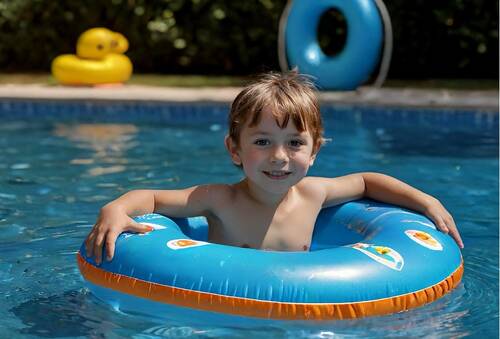
Children should wear properly fitted personal flotation devices any time they are near open water, regardless of swimming ability. Supervise actively, not passively. A distracted adult checking a phone is not an adequate substitute for eyes-on supervision. If a child is pulled from cold water and shows confusion, shivering, or unresponsiveness, treat it as a medical situation and seek care immediately.
Insect-Related Illness and Outdoor Hazards
Alaska mosquitoes are legendary, and while the state does not carry the same mosquito-borne disease burden as the Lower 48, insect bites can still cause allergic reactions, secondary skin infections from scratching, and significant discomfort in young children. DEET-based repellents are considered safe for children over two months of age when used as directed. Picaridin is an effective and lower-irritation alternative.
Families spending time in tall grass or wooded areas around Anchorage, the Mat-Su Valley, or the Kenai Peninsula should check children for ticks after outdoor activity. While Alaska’s tick populations are smaller than in other states, tick presence has been expanding, and a thorough check takes less than five minutes.
When to Seek Care and Where to Go
Summer child health issues exist on a spectrum. Minor sunburn, small scrapes, and mild dehydration can typically be managed at home with basic first aid and attentive care. But a burn that blisters, a wound that shows signs of infection, a child who cannot keep fluids down, or any injury to the head, neck, or joints warrants professional evaluation.
For families in Anchorage, Eagle River, the Mat-Su Valley, or within driving distance of an urban center, a pediatric urgent care clinic is usually the right first call for non-life-threatening concerns. For families in Fairbanks, Juneau, the Kenai Peninsula, or rural communities across the state, pediatric telemedicine can provide a qualified evaluation within hours and help parents determine whether in-person follow-up is needed. Knowing these options ahead of time — before a child is hurt or sick — means faster decisions and better outcomes when it counts.
Make a Summer Health Plan Before the Season Peaks
A few minutes of preparation now saves significant stress later. Stock a basic first aid kit with sunscreen, insect repellent, blister treatment, and an oral rehydration solution. Save the contact information for a pediatric urgent care clinic and a telemedicine provider. Review water safety rules with your children before the first trip to a lake or river.
Alaska summers are short and extraordinary. Spending them well means keeping kids healthy enough to enjoy every day of them.
Last Updated on May 14, 2026 by Marie Benz MD FAAD