
27 May What Is an Anesthesia Error and How Legal Protections Work for Patients
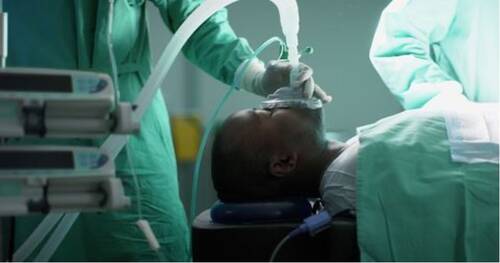
An anesthesia error happens when a medical professional makes a mistake before, during, or after administering anesthesia. These mistakes can lead to serious health complications, long-term injuries, or even death in severe cases.
Every year, hospitals and surgical centers across the United States perform millions of procedures that involve anesthesia errors. Although modern medicine has improved patient safety, anesthesia errors still occur when healthcare providers fail to follow proper medical standards or monitoring procedures.
Patients who suffer harm from anesthesia errors often face physical pain, emotional stress, and expensive medical treatment. Because of this, medical malpractice laws provide legal protections that allow injured patients to seek compensation when negligence causes harm.
What Counts as an Anesthesia Error?
Anesthesia errors can happen in different ways. Some mistakes occur before surgery, while others happen during or after the procedure.
Common examples include:
● Giving the wrong dosage
● Failing to monitor vital signs
● Delayed delivery of oxygen
● Medication mix-ups
● Failure to review medical history
● Improper intubation procedures
Even a small mistake can become dangerous because anesthesia directly affects breathing, heart rate, and brain function.
Why Anesthesia Mistakes Can Be Dangerous
Anesthesia affects the entire body during surgery. Doctors and anesthesiologists may carefully monitor the patient throughout the procedure to prevent complications.
When monitoring fails, or medication errors occur, the patient may experience serious consequences such as:
● Brain injuries
● Nerve damage
● Oxygen deprivation
● Cardiac complications
● Permanent disability
In difficult situations, anesthesia-related complications can become life-threatening.
Medical professionals follow strict standards during surgery because patient safety depends heavily on proper anesthesia care. Information regarding anesthesia safety and medical procedures explains how careful monitoring helps reduce risks during operations.
What Causes Anesthesia Errors?
Several factors may contribute to anesthesia mistakes. Some involve human error, while others result from communication problems or system failures within healthcare facilities.
Common causes include:
● Poor communication between the medical staff
● Inadequate patient monitoring
● Fatigue among healthcare workers
● Incorrect medication administration
● Failure to review allergies or medical history
For example, a patient with a known allergy may suffer serious complications if medical staff fail to review records before surgery.
How Medical Malpractice Laws Protect Patients
Medical malpractice laws help protect patients when negligence causes harm. Patients may have the right to pursue compensation if healthcare providers fail to meet accepted medical standards.
To prove malpractice, injured patients usually may show:
1. A doctor-patient relationship existed
2. The provider acted negligently
3. The negligence caused harm
4. The patient suffered damages
Damages may include medical expenses, lost income, rehabilitation costs, and pain related to the injury.
Legal principles involving medical malpractice claims explain how courts evaluate negligence in healthcare settings.
What Evidence Helps Support a Claim?
Strong evidence is crucial in anesthesia malpractice cases. Medical records are often among the most important forms of proof.
Other helpful evidence may include:
● Surgical reports
● Medication records
● Witness statements
● Professional medical testimony
● Monitoring equipment data
Medical professionals often review the case to determine whether healthcare providers followed accepted standards of care.
Who May Be Held Responsible?
Liability in anesthesia error cases may involve more than one party. Responsibility depends on how the mistake occurred and who contributed to the problem.
Potentially responsible parties may include:
● Anesthesiologists
● Surgeons
● Nurses
● Hospitals or surgical centers
● Medical staff supervisors
For example, a hospital may share responsibility if poor staffing or training contributed to the mistake.
How Patients Can Protect Themselves Before Surgery
Patients cannot control every aspect of a medical procedure, but they can take steps to reduce risks before surgery.
Helpful steps include:
1. Share your full medical history
2. Discuss allergies and medications clearly
3. Ask questions about the procedure
4. Confirm who will administer anesthesia
5. Follow pre-surgery instructions carefully
Open communication with healthcare providers helps reduce misunderstandings and improve patient safety.
What Happens After an Anesthesia Injury?
After an anesthesia-related injury, patients often require additional treatment and monitoring. Recovery may involve rehabilitation, therapy, or long-term medical care, depending on the severity of the harm.
Some patients also experience emotional trauma after surgical complications. As a result, these cases can affect both physical health and daily life for years after the procedure.
Because medical malpractice laws vary by state, legal timelines and claim requirements may differ depending on where the incident occurred.
Key Takeaways
● An anesthesia error happens when mistakes occur before, during, or after anesthesia administration.
● Common errors include wrong dosages, poor monitoring, and medication mix-ups.
● Anesthesia mistakes can cause brain injuries, nerve damage, or other serious complications.
● Medical malpractice laws protect patients harmed by healthcare negligence.
● Strong evidence, such as medical records and professional testimony, supports malpractice claims.
● Liability may involve anesthesiologists, hospitals, nurses, or other medical staff.
● Patients can reduce risks by sharing accurate medical information before surgery.
Disclaimer: The information on MedicalResearch.com is provided for educational purposes only, and is in no way intended to diagnose, cure, or treat any medical or other condition. Some links are sponsored. Products, services and providers are not warranted or endorsed by MedicalResearch.com or Eminent Domains Inc. Always seek the advice of your physician or other qualified health and ask your doctor any questions you may have regarding a medical condition. In addition to all other limitations and disclaimers in this agreement, service provider and its third party providers disclaim any liability or loss in connection with the content provided on this website.
Last Updated on May 27, 2026 by Marie Benz MD FAAD