
28 May Massage Chairs for Stress Relief: Benefits, Features, and Buying Tips
Stress often builds in small, ordinary ways: a long commute, hours at a desk, poor sleep, or simply not having enough time to unwind. For many Australians, the idea of having a calming option at home is appealing, which is one reason home massage chairs have become more common.
But do they actually help with stress? And if you are considering one, how do you choose a chair that suits your body, your home, and your budget without getting caught up in marketing claims?
This guide explains what is known about massage chairs and stress relief, who should be cautious, which features matter most, and how to test a chair before you buy.
Medical disclaimer: This article is for general information only. It is not a substitute for professional medical advice. If you have a health condition or are unsure whether a massage chair is appropriate for you, speak with your clinician before using one.
Why People Turn to These Chairs for Stress
The appeal is simple. Sitting in a chair that kneads your muscles and applies gentle pressure can feel calming. For some people, the routine itself helps: stepping away from screens, closing your eyes, and letting a program run for 10 to 15 minutes can create a useful pause in the day.
The research on mechanical massage and stress is still limited. Some small studies suggest massage may help reduce perceived stress or anxiety in the short term, and a few have reported short-term changes in stress markers after massage sessions. Results vary, and much of the research focuses on hands-on massage rather than chair-based devices. A fair takeaway is that massage chairs may help some people feel more relaxed, but they are not a guaranteed treatment for stress.
How They Work in Simple Terms
Understanding the basic mechanisms can help you decide which sensations you prefer.
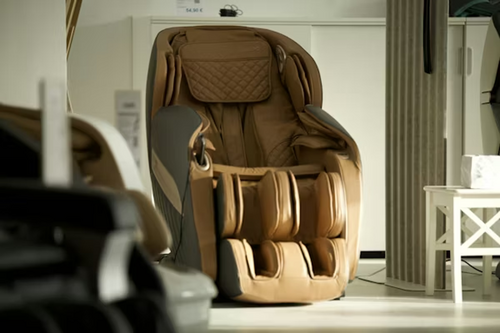
Rollers and tracks: Motorised rollers move along a track behind your back, applying pressure around the spine and shoulder area. An S-track follows the natural curve of the spine. An L-track extends farther, curving under the seat to reach the glutes and upper thighs.
Air compression: Air cells in the armrests, seat, calves, and feet inflate and deflate in a set rhythm. This creates a gentle squeezing feeling around the limbs, which many people find soothing.
Heat: Some chairs include heating pads, usually in the lower back area. The warmth should feel comfortable rather than hot. If the heat feels too strong during a test sit, treat that as a warning sign.
Reclining: Many chairs recline into a position often called zero gravity, where your knees are slightly above your heart. This can spread your body weight more evenly and may reduce the feeling of pressure on your lower back.
Safety First: Who Should Talk to a Clinician Before Use
Massage chairs are generally low risk for healthy adults, but certain people should ask a healthcare provider before using one. This includes people with:
Pacemakers or other implanted medical devices
Pregnancy, especially with complications
Osteoporosis or fragile bones
Neuropathy or reduced sensation in the limbs
A history of deep vein thrombosis (DVT) or clotting disorders
Recent surgery, injury, or uncontrolled pain
If you are new to massage chairs, start with short sessions at low intensity. Ten to fifteen minutes is a sensible starting point. Stop immediately if you feel pain, numbness, dizziness, or unusual discomfort. The goal is gentle relaxation, not enduring deep pressure.
What to Look for When You Shop
With many brands and feature lists to compare, it helps to focus on the factors that affect daily comfort and long-term use.
Fit and Ergonomics
Fit matters more than almost anything else. The rollers should align with your shoulders, not press into your neck or miss your shoulder blades. Check that the seat depth suits your leg length, the footwell holds your feet comfortably, and the headrest supports your head without pushing it forward. If you are especially tall, short, or broad, check the manufacturer’s height and weight ranges. Also consider how easy it is to get in and out of the chair, especially if you have mobility issues.
Massage Mechanisms and Programs
Most chairs offer several massage patterns, such as rolling, kneading, tapping, and shiatsu-style combinations. Air compression adds a squeezing sensation for the arms, legs, and feet. Rather than focusing on the number of preset programs, check whether the chair lets you adjust the settings that feel best to you. Useful adjustability matters more than a long menu of modes.
Controls and Customisation
A good remote should be simple enough to use without studying a manual. Look for clear intensity levels, manual control over specific body areas, and body-scan features that adjust the rollers to your frame. If more than one person will use the chair, saved user profiles can be helpful. Try the controls during a test sit to see whether they feel intuitive.
Comfort Features
Heat should feel warm, not uncomfortably hot. Reclining should feel smooth and stable. If the chair will sit in a shared living space, listen for motor noise during operation. Upholstery also matters. Synthetic leather is easy to wipe down but may feel sticky in warm weather, while mesh or breathable materials may feel more comfortable year-round.
Home Logistics
Measure your space before you start shopping. Consider the chair’s footprint when fully reclined, the required wall clearance, doorway width for delivery, and distance to a power outlet. Some chairs need more room behind them than expected. Confirm whether delivery includes placement in your room of choice and basic assembly.
Service and Support
Warranty terms vary widely by brand and region. Some warranties cover parts and labour together, while others separate them. Ask about local service availability, return windows, and any trial periods. Keep your receipt, warranty card, and product manual in a safe place. Reading the fine print before purchase can save frustration later.
Budgeting Without Hype
Set a budget based on the features you will actually use, not on the assumption that a higher price guarantees better stress relief. A chair with good fit, reliable rollers, and useful adjustability at a moderate price may suit you better than a premium model with features you rarely touch. Focus on comfort, durability, and support.
Try Before You Buy
Reading specifications online is helpful, but nothing replaces sitting in a chair for a proper test.
Your Showroom Test Routine
Plan to sit in any chair you are seriously considering for at least ten minutes. Try two or three programs. Notice where the shoulder rollers land on your body. Adjust the intensity up and down. Test the manual controls. Listen for motor noise. Check how easy it is to get in and out. After the session, look for any lingering pressure points or soreness. If something feels uncomfortable during a short test, it is unlikely to improve with daily use at home.
Where to Test Fit and Controls in Person
If you live in the Brisbane area, a search for massage chairs in Brisbane can help you find local showrooms where you can compare models, test the controls, and assess comfort before making a decision. For readers elsewhere in Australia, most capital cities have dedicated showrooms or furniture retailers that carry a selection of chairs worth trying.
Care and Upkeep
Once your chair is set up at home, a few simple habits can help keep it in good condition. Wipe down the upholstery regularly with a damp cloth. Make sure there is enough ventilation around the chair so the motors do not overheat. Keep power cords intact and dry, avoid damp areas such as unenclosed patios, and use surge protection if the manufacturer recommends it. If you have young children or pets, keep the chair powered off and the remote out of reach when not in use. Always follow the guidance in your product manual.
Quick Decision Checklist
Does the chair fit your height, weight, and shoulder width comfortably?
Can you easily adjust intensity, target areas, and programs?
Does the heat feel warm rather than uncomfortably hot?
Will the chair fit in your intended room, including reclining clearance?
Is local service available, and does the warranty cover parts and labour?
Does the price match the features you will actually use?
Have you tested the chair in person for at least ten minutes?
Wrapping Up
A home massage chair can be a pleasant addition to a daily routine, but it is best to approach the purchase with realistic expectations. These chairs may help you feel more relaxed, but they are not a guaranteed solution for chronic stress or a replacement for professional care. Prioritise safety, focus on fit and adjustability over flashy features, and test a chair in person whenever possible.
According to the Harvard Health Publishing, massage therapy may offer short-term relief from muscle tension and stress, but individuals with certain health conditions should always consult a healthcare provider before beginning any massage programme.
Frequently Asked Questions
How long should a typical session last if you are new to these chairs?
Start with ten to fifteen minutes at a low intensity setting. This gives your body time to adjust to the mechanical pressure. You can gradually increase session length if you feel comfortable, but stop immediately if you feel pain or discomfort.
Are they safe if you have a pacemaker or another implanted device?
Ask your cardiologist or the clinician managing your device before using a massage chair. Some chairs contain magnets or electrical components that could affect implanted devices, so professional guidance is important.
Can using one replace seeing a massage therapist?
Not usually. A trained therapist can assess your body, adjust techniques in real time, and respond to specific concerns in ways a machine cannot. A chair may complement professional care or provide day-to-day comfort between appointments, but it is not a substitute for hands-on treatment.
What is the difference between rolling, kneading, and air compression?
Rolling feels like firm pressure moving up and down your spine. Kneading uses a circular squeezing motion that mimics thumbs working into muscle tissue. Air compression uses inflatable cells around your arms, legs, and feet to create a rhythmic squeeze and release, similar to a gentle hug around the limbs.
Disclaimer: The information on MedicalResearch.com is provided for educational purposes only, and is in no way intended to diagnose, cure, or treat any medical or other condition. Some links are sponsored. Products, services and providers are not warranted or endorsed by MedicalResearch.com or Eminent Domains Inc. Always seek the advice of your physician or other qualified health and ask your doctor any questions you may have regarding a medical condition. In addition to all other limitations and disclaimers in this agreement, service provider and its third party providers disclaim any liability or loss in connection with the content provided on this website.
Last Updated on May 28, 2026 by Marie Benz MD FAAD