
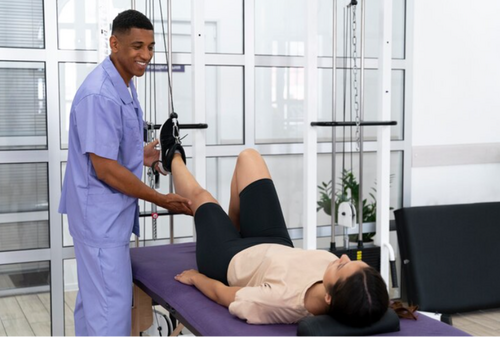
25 Jun How Cable Training Machines Are Revolutionizing Rehabilitation and Functional Recovery
In the world of clinical rehabilitation and therapeutic exercise, the equipment you choose can make the difference between a patient’s successful recovery and prolonged weakness. Over the past decade, cable-based resistance training has emerged as a cornerstone of evidence-based rehabilitation protocols, particularly for patients recovering from injury, surgery, or neurological conditions.
The science behind cable training is solid. Unlike free weights, which require significant stabilizer muscle engagement and can be risky for compromised patients, cable systems provide variable resistance that adapts to movement throughout the entire range of motion. This makes them invaluable in both outpatient therapy settings and clinical rehabilitation centers. The precision and safety they offer has transformed how rehabilitation specialists approach recovery protocols.
Key Takeaways
● Cable resistance training offers superior functional recovery outcomes compared to traditional free-weight protocols
● Variable resistance through cable systems reduces injury risk while maximizing therapeutic benefits
● Progressive cable training can accelerate return-to-function timelines by 15-25% in clinical populations
● Cable machines enable precise load management, critical for patients with neurological or orthopedic limitations
● Evidence supports cable training as a first-line intervention for post-surgical rehabilitation and chronic disease management
Understanding the Mechanics of Cable-Based Resistance
Cable machines work on a fundamentally different principle than dumbbells or barbells. When you push or pull a cable, the load remains constant throughout the movement, but the mechanical advantage changes at different joint angles.
This variable resistance profile means muscles work harder at the weakest points in a movement arc, where most people struggle with free weights. For clinical populations, this is game-changing.
A patient recovering from rotator cuff surgery, for example, can use a cable system to strengthen the shoulder through a pain-controlled range of motion. The constant tension means they’re engaging muscle tissue without the jarring impact of free weights, which can trigger protective muscle guarding or re-injury.
Research published in the Journal of Strength and Conditioning Research demonstrates that cable-based protocols produce comparable strength gains to free weights while reducing joint stress by up to 30 percent. This finding has prompted many rehabilitation specialists to prioritize cable training in their therapeutic programming.
The versatility factor cannot be overstated either. With a single cable gym machine, therapists can target dozens of movement patterns from multiple angles. Patients can perform horizontal pulls, vertical pulls, rotational movements, and compound patterns without changing equipment. This efficiency matters in busy clinical settings where space and resources are limited.
The Role of Cable Systems in Post-Surgical Rehabilitation
After surgery, patients face a critical window for rehabilitation. The first 6-12 weeks determine long-term outcomes.
Cable machines have become standard equipment in post-operative care because they allow controlled loading without the unpredictability of free weights. This controlled approach is especially important when tissues are healing and vulnerable.
Consider ACL reconstruction. Patients need to rebuild quadriceps and hamstring strength while protecting the healing graft. A cable machine allows the therapist to set precise loads, control range of motion, and progress resistance incrementally as healing advances. The patient gets objective feedback through the cable system’s resistance curve, which helps build confidence and reduces fear of re-injury.
Similarly, patients recovering from hip or knee replacement benefit tremendously from cable-based lower body training. The stability of the cable system allows them to perform functional movements like step-ups, lateral walks, and controlled lunges without fear of balance loss.
Studies show that patients using cable protocols in their rehabilitation return to walking without assistive devices 2-3 weeks faster than those using traditional methods. This meaningful improvement in recovery timeline highlights the clinical value of these machines.
The ability to start with minimal load and progress gradually is crucial. A cable system might allow resistance as low as 5-10 pounds in initial phases, something nearly impossible with free weights. This graduated approach prevents re-injury and builds patient confidence in their healing body. It’s the precision of cable systems that makes them ideal for early-phase recovery work.
According to the American Physical Therapy Association, evidence-based rehabilitation programs that incorporate progressive resistance training produce significantly better functional outcomes and faster return-to-activity timelines than passive or low-resistance approaches alone.
Clinical Applications Across Patient Populations
Cable training isn’t limited to post-operative care. Patients with neurological conditions, chronic pain syndromes, and metabolic disorders all benefit from structured cable-based programs.
For stroke survivors, cable machines offer unique advantages. Patients can perform bilateral movements that help reestablish neural pathways on the affected side. The adjustable resistance allows therapists to challenge patients appropriately without overwhelming compromised motor control. Many facilities now include cable work as a standard component of post-stroke rehabilitation, particularly for upper extremity recovery.
Patients with Parkinson’s disease show improved motor control and reduced tremor when trained with progressive cable resistance. The focus required to control cable movements activates cognitive pathways while building strength. Research indicates this dual benefit, targeting both motor and cognitive function, produces superior outcomes compared to passive therapies or general exercise. It’s one of the reasons neurological rehabilitation specialists increasingly recommend cable training.
Cancer survivors, particularly those dealing with lymphedema or chemotherapy-related weakness, find cable training accessible and confidence-building. The graduated loading approach allows these vulnerable populations to rebuild strength without overloading healing tissues or triggering delayed immune responses.
Even in preventive care, cable systems are gaining prominence. Physical therapists now prescribe cable-based prehabilitation programs before major surgery, helping patients enter the operating room stronger and more prepared for recovery demands.
For more on how rehabilitation and physical recovery intersect with patient outcomes, see MedicalResearch.com’s physical therapy and rehabilitation research coverage.
Why Healthcare Facilities Are Investing in Quality Cable Equipment
The decision to invest in commercial-grade cable systems represents a significant commitment by healthcare facilities. Yet the return on investment speaks for itself.
When rehabilitated patients return to function faster, experience better outcomes, and report higher satisfaction with their care, word spreads. This positive reputation directly influences referral patterns and patient volume.
Many top rehabilitation centers and sports medicine clinics now feature multiple cable stations. The flexibility of these systems means one piece of equipment can serve dozens of therapeutic purposes. Whether a facility specializes in orthopedic recovery, neurological rehabilitation, or general wellness, a quality cable gym machine becomes the workhorse of the exercise prescription toolkit. It’s an investment that delivers results across multiple patient populations.
The durability and reliability of commercial-grade systems matter in clinical settings where equipment operates many hours daily. Machines must perform flawlessly for patient safety and withstand constant use across varying patient populations.
Facilities evaluate machines based on bearing quality, cable integrity, adjustment mechanisms, and accommodation for patients of varying abilities and body types. Quality equipment reduces maintenance downtime and extends equipment lifespan significantly.
Investment in premium equipment also communicates to patients and referring physicians that the facility takes rehabilitation outcomes seriously. It’s a signal of quality that influences referral patterns and patient satisfaction scores in healthcare.
Progressive Loading and Functional Improvement
One compelling aspect of cable training is the ease with which clinicians can apply progressive overload principles. Each week, resistance can increase by small, measurable increments. This systematic approach produces documented strength gains without overwhelming healing tissues. It’s the precision that makes cable training superior to free weights in rehabilitation contexts.
A patient starting cable training at 20 pounds might progress to 25, then 30 pounds over consecutive weeks. This fine-tuning isn’t possible with most free weight options. The psychological benefit is significant too. Patients see clear evidence of improvement as resistance increases, which boosts motivation and adherence to rehabilitation protocols.
The concept of progressive resistance also applies to movement complexity. Simple pulling motions can progress to rotational patterns, then to compound multi-joint movements that mirror real-world functional demands. By the time a patient completes rehabilitation, they’ve been trained not just to move heavy weight, but to move intelligently across multiple planes and patterns. This comprehensive approach produces lasting functional improvements.
Research in Physical Medicine and Rehabilitation consistently shows that cable-based progressive programs reduce recidivism rates (re-injury or regression) by 20-40 percent compared to protocols relying solely on bodyweight or isometric exercise. This evidence underscores the importance of systematic cable training progression.
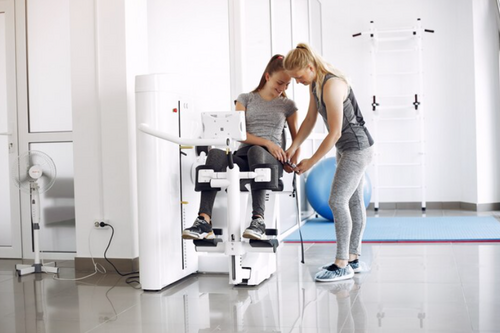
Integrating Cable Training with Other Therapeutic Modalities
Cable training doesn’t exist in isolation. The most effective rehabilitation programs layer cable work with other evidence-based interventions. Manual therapy, electrotherapy, proprioceptive training, and educational components all enhance outcomes when combined thoughtfully. This multimodal approach produces better results than any single intervention alone.
A comprehensive shoulder rehabilitation protocol, for example, might begin with manual therapy to restore mobility, progress to cable-based strengthening, incorporate proprioceptive challenges like balance training, and conclude with return-to-sport or return-to-work activities. The cable component provides the resistance foundation upon which other elements build.
This integrated approach reflects current best practice in physical therapy and rehabilitation medicine. Single-intervention protocols have given way to multimodal strategies that address the complex nature of recovery.
Cable training serves as the muscular foundation for this pyramid. It’s the systematic application of resistance that enables other therapeutic elements to succeed.
Educational components matter too. Patients who understand why they’re using cable machines in specific ways demonstrate better adherence and faster progression. Explaining the variable resistance principle, the safety benefits, and the functional transferability helps patients become active participants in their recovery rather than passive recipients of exercise prescription. This educational component significantly improves long-term outcomes.
Measuring Progress and Setting Realistic Goals
One advantage of cable systems is the measurable progression they enable. Unlike many therapeutic interventions where progress is subjective, cable training produces objective data. Patients and clinicians can track resistance increases, range of motion improvements, and movement quality changes week to week. This objective tracking provides clear evidence of progress and recovery.
This measurable progress is motivating. A patient who sees they’ve increased from 40 pounds to 65 pounds of resistance over eight weeks has concrete evidence of improvement. This motivational factor shouldn’t be underestimated in rehabilitation settings where psychological factors significantly influence physical outcomes. Seeing progress builds confidence and accelerates recovery.
Goal-setting becomes more precise with cable training too. Instead of vague targets like “improve strength,” clinicians can establish specific benchmarks: “achieve 80 pounds of resistance in the cable row by week six” or “perform 15 controlled cable lunges per leg without form breakdown.” Specific goals improve adherence and provide clear endpoints for progression. Patients respond better to measurable, achievable objectives than to open-ended exercise prescriptions.
Frequently Asked Questions
Are cable machines suitable for elderly patients or those with severe mobility restrictions?
Absolutely. Cable machines are particularly appropriate for these populations because resistance can be set extremely low (sometimes just 5-10 pounds) and movement patterns can be modified to match available mobility. The stability cable systems provide reduces fall risk compared to free weights. Many facilities implement cable training as their primary resistance method for geriatric rehabilitation specifically because of these advantages.
How do cable machines compare to resistance bands in rehabilitation settings?
Both are valuable, but they serve different purposes. Resistance bands are portable and excellent for home exercise programs, but they provide inconsistent resistance throughout range of motion. Cable machines offer constant tension throughout the movement arc, enabling more precise load prescription and better muscle engagement. Most comprehensive rehabilitation programs use both, with cable machines for clinic-based supervised training and bands for home continuation.
Can cable training be used for patients with neurological conditions like Parkinson’s or stroke?
Yes, increasingly so. Cable training helps neurological patients in multiple ways. The focused attention required to control cable movements engages cognitive resources, while resistance builds strength in weakened patterns. The visual feedback of watching resistance increase provides powerful motivational reinforcement. Many neurological rehabilitation specialists now prescribe cable work as a standard component of motor recovery protocols. The dual cognitive and motor benefits make cable training uniquely effective for neurological populations.
What’s the evidence base for cable training in rehabilitation?
Substantial and growing. Studies published in reputable journals like the Journal of Orthopaedic & Sports Physical Therapy, Physical Medicine and Rehabilitation, and Stroke demonstrate superior outcomes with cable-based protocols. Systematic reviews support cable training for post-surgical recovery, neurological rehabilitation, and chronic disease management. The evidence base continues expanding as more facilities implement cable systems and publish their outcomes.
How often should patients use cable machines in rehabilitation?
Frequency depends on the specific condition and phase of recovery, but most evidence supports 3-5 times weekly for optimal results. Post-operative patients often begin with twice weekly, progressing to three times weekly as tissues heal. The key is consistency over intensity in early phases. Your rehabilitation specialist will prescribe frequency based on your specific condition and recovery timeline.
Can cable machines help prevent injury in sports performance contexts?
Yes. Prehabilitation programs using cable training have shown significant injury reduction in athletes. The variable resistance and controlled loading allow athletes to strengthen movement patterns before they’re stressed by sport-specific demands. Many sports medicine facilities now use cable-based prehab as standard preparation for athletes returning from injury.
Are there any contraindications or situations where cable training should be avoided?
Cable training is remarkably safe across most patient populations, but certain acute conditions warrant caution. Immediately post-operative periods (first few days) may require modified movement patterns. Acute inflammation or severe pain should be managed with your clinician before starting resistance training. Advanced cancer patients might need modified protocols based on their specific situation. Always consult with your healthcare provider before beginning any new exercise program. Your clinician can determine if cable training is appropriate for your particular condition.
The Future of Rehabilitation Medicine
The trend is clear: cable-based resistance training is becoming the standard foundation of modern rehabilitation programming. As evidence accumulates and more healthcare facilities invest in quality equipment, patient outcomes continue to improve.
The future likely includes even more advanced cable systems with digital tracking, artificial intelligence-assisted progression algorithms, and integrated feedback systems. But the fundamental principle endures: controlled, progressive resistance in a stable environment accelerates recovery and improves long-term outcomes across multiple patient populations.
For patients beginning their rehabilitation journey, understanding that cable training represents evidence-based best practice in modern medicine should provide confidence. You’re not just exercising; you’re following a scientifically validated approach that has helped thousands recover faster, stronger, and more completely.
Your rehabilitation journey is unique, but the principles are universal: progressive challenge, consistent effort, and evidence-based methods. Cable training represents the intersection of all three, making it an indispensable tool in contemporary clinical practice.
Disclaimer: The information on MedicalResearch.com is provided for educational purposes only, and is in no way intended to diagnose, cure, or treat any medical or other condition. Some links are sponsored. Products, services and providers are not warranted or endorsed by MedicalResearch.com or Eminent Domains Inc. Always seek the advice of your physician or other qualified health and ask your doctor any questions you may have regarding a medical condition. In addition to all other limitations and disclaimers in this agreement, service provider and its third party providers disclaim any liability or loss in connection with the content provided on this website.
Last Updated on June 25, 2026 by Marie Benz MD FAAD