
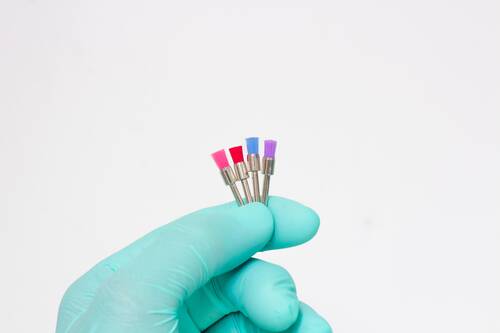
08 Jul How Micro Applicator Brushes Support Infection Control in Dental Clinics
Infection control is one of the foundations of modern dentistry. Every patient expects treatment in an environment where strict hygiene standards are followed, and every dental practice depends on protocols that minimize the risk of cross-contamination. While sterilization equipment, personal protective equipment, and surface disinfection often receive the most attention, many of the smaller disposable products used during treatment also play an important role.
One example is the humble micro applicator brush. Although small and inexpensive, these single-use tools help clinicians apply materials accurately while supporting infection prevention protocols throughout a wide range of dental procedures. For a broader look at how dental sterilization protocols protect patients, see this overview of why dental tools must be sterilized after every use.
The Cross-Contamination Risk in Dental Settings
The NIH’s StatPearls clinical resource on Dental Infection Control states clearly that dental patients carry a higher risk than the general population for both transmitting and acquiring infectious disease, with cross-contamination between patients being an established and ongoing concern. Reusable instruments and applicator tools that contact oral tissues, adhesives, bonding agents, or impression materials can act as vectors if not handled correctly.
The risk is not theoretical. Research consistently shows that reusable brush systems used with dental adhesives and bonding agents can harbour microorganisms even after apparent cleaning, with contamination transferring between uses when single-use protocols are not followed.
Where Cross-Contamination Can Occur
Cross-contamination can happen whenever microorganisms are transferred from one surface, instrument, or patient to another. In dentistry, this may occur through reusing items intended for single-patient use, contaminating bottles of bonding agents or other dental materials during treatment, improper handling of clinical instruments, contact between contaminated gloves and clean equipment or supplies, and inadequate disposal of used clinical materials.
Reducing these risks requires attention to detail throughout every stage of treatment, including the selection and handling of disposable applicators.
What Micro Applicator Brushes Are Used For
Micro applicator brushes are disposable instruments designed to transfer small amounts of dental materials with precision and control. Their fine synthetic tip and flexible stem make them especially useful when working in confined areas of the mouth where accuracy is essential.
They are commonly used to apply dental adhesives and bonding agents, place cavity liners and desensitizing agents, deliver sealants into pits and fissures, apply etchants and other restorative materials, and reach restoration margins and other difficult-to-access areas. Because they are available in multiple tip sizes, clinicians can choose the most appropriate applicator for each procedure while minimizing material waste.
How They Support Infection Control
Beyond improving precision, disposable micro applicator brushes offer several infection control advantages.
Single-Patient Use
Perhaps their greatest benefit is that they are designed for one-time use. After completing a procedure, the applicator is discarded rather than cleaned and reused. This eliminates the possibility of residual contamination being transferred from one patient to another through the applicator itself.
Cleaner Material Handling
Many dental materials are supplied in bottles or containers that are intended to remain uncontaminated throughout their useful life. Rather than repeatedly inserting an applicator into the original container after patient contact, clinicians can dispense a small amount of material into a separate mixing well before application. Using a fresh disposable applicator helps preserve the integrity of the remaining material while supporting safer clinical practice.
Less Instrument Reprocessing
Every reusable instrument requires cleaning, packaging, sterilization, storage, and quality assurance. By replacing reusable applicators with disposable alternatives where appropriate, dental teams reduce the number of items moving through the sterilization process. This allows staff to focus more attention on reusable instruments that genuinely require validated sterilization procedures.
Improved Precision
Accurate application also contributes indirectly to infection control. The fine, flexible tip allows clinicians to place materials exactly where they are needed while reducing accidental contact with surrounding tissues, adjacent teeth, or equipment. Better control means less unnecessary cleanup and fewer opportunities for contaminated material to spread beyond the treatment area.
Best Practices for Safe Use
Like any clinical product, micro applicator brushes are most effective when incorporated into an established infection control protocol. Good practice includes using a new applicator for every patient, discarding the applicator immediately after use, dispensing only the amount of material needed for the procedure, avoiding dipping a used applicator back into the original product container, and keeping unused applicators sealed until they are needed.
These simple habits help maintain both patient safety and material integrity throughout the procedure.
Choosing the Right Applicator
Not every dental procedure requires the same applicator size. Superfine tips provide excellent control when placing small amounts of adhesive around restoration margins, while larger tips are better suited to broader applications such as desensitizers or sealants.
Flexible stems also improve access to posterior teeth and other difficult-to-reach areas without compromising visibility or precision. Selecting the appropriate applicator improves efficiency, reduces material waste, and supports consistent clinical outcomes.
Small Tool, Meaningful Impact
Dental infection control depends on hundreds of small decisions made throughout the working day. Disposable gloves, protective barriers, sterilized instruments, and careful material handling all contribute to a safer clinical environment.
Single-use micro applicator brushes fit naturally into this system. By combining precise material placement with disposable design, they help reduce opportunities for cross-contamination while simplifying everyday clinical workflows.
Final Thoughts
Infection prevention is rarely about one product or one protocol. Instead, it comes from consistently following best practices across every aspect of patient care. Micro applicator brushes may be a small part of the overall workflow, but they support two important goals at the same time: accurate delivery of dental materials and reduced opportunities for cross-contamination.
For practices focused on maintaining high clinical standards, incorporating quality disposable applicators into routine procedures is a simple step that contributes to safer, more efficient, and more consistent patient care.
Disclaimer: The information on MedicalResearch.com is provided for educational purposes only, and is in no way intended to diagnose, cure, or treat any medical or other condition. Some links are sponsored. Products, services and providers are not warranted or endorsed by MedicalResearch.com or Eminent Domains Inc. Always seek the advice of your physician or other qualified health provider and ask your doctor any questions you may have regarding a medical condition. In addition to all other limitations and disclaimers in this agreement, service provider and its third party providers disclaim any liability or loss in connection with the content provided on this website.
Last Updated on July 8, 2026 by Marie Benz MD FAAD