
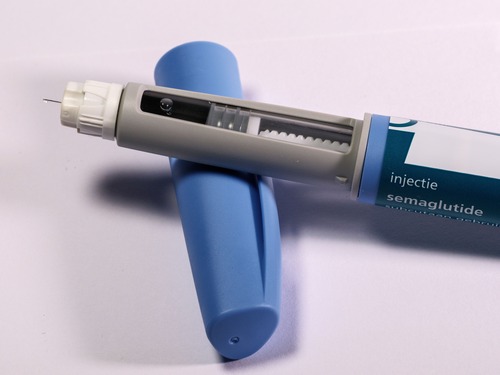
30 Sep Medical Weight Loss: Why Clinical Oversight Matters With GLP-1 Treatment
Key Takeaways
- GLP-1 medications can support weight management, but they are prescription treatments rather than stand-alone solutions or quick fixes.
- A responsible program screens for medical risks, reviews other medications, explains realistic expectations, and provides follow-up after treatment begins.
- Product source matters. FDA-approved drugs and compounded versions do not go through the same review process.
- Nutrition, physical activity, sleep, and a long-term maintenance plan remain important even when medication is appropriate.
Interest in GLP-1 medications has changed the conversation about obesity treatment. For many adults, these medications can reduce appetite and support clinically meaningful weight loss when combined with lifestyle intervention. They have also created a crowded online market in which polished advertising can make very different care models look similar.
The key question is therefore not simply whether a program offers semaglutide or another GLP-1 medication. Patients should also ask how the program determines candidacy, where prescriptions are filled, how side effects are monitored, and what happens when treatment goals or circumstances change.
What Does Medical Weight Loss Mean?
Medical weight loss is clinician-guided care for overweight or obesity. Depending on the individual, it may include nutrition and activity planning, behavioral support, treatment of contributing health conditions, and prescription medication. The purpose is not to replace healthy habits with a prescription. It is to match treatment intensity to a person’s health history, risks, goals, and response over time.
Obesity is influenced by more than willpower. Genetics, sleep, medications, health conditions, food environment, stress, and appetite-regulating biology can all affect weight. Recognizing those influences does not mean that every patient needs medication. It means that an effective plan should be individualized rather than built around blame or a universal diet.
Why the Initial Assessment Matters
A careful assessment helps a clinician decide whether medication is appropriate and which option deserves consideration. That assessment usually begins with a medical history, current medication and supplement list, prior weight-management efforts, and the patient’s treatment goals.
GLP-1 treatment is not appropriate for everyone. A provider needs enough information to identify contraindications, possible drug interactions, and other factors that could change the risk-benefit discussion. Patients should not try to approve or reject themselves based on a generic checklist; their history and circumstances require individual review.
The quality of the intake process is one way to evaluate a provider. People comparing care models can review how a medical weight loss program describes its intake, treatment planning, and follow-up, then ask whether those steps will apply to their own care. A website can explain a process, but it cannot replace an individual medical assessment.
What Good Clinical Oversight Looks Like
Clinical supervision should continue after a prescription is written. A responsible program generally includes several elements:
- A clear treatment rationale. The patient should understand why a medication is being considered, what alternatives exist, and what results would count as meaningful progress.
- Product-specific instructions. Brand, formulation, concentration, storage, and administration instructions matter. Patients should know exactly what they are receiving and which pharmacy dispensed it.
- Gradual adjustment when indicated. GLP-1 medications are generally introduced and adjusted according to the relevant prescribing information and the patient’s response. Faster is not automatically better.
- Scheduled follow-up. Clinicians should review tolerability, nutrition and fluid intake, changes in other health conditions, and whether the treatment remains appropriate.
- A route for urgent questions. Patients need to know whom to contact if symptoms are severe, persistent, or unexpected.
- A maintenance discussion. Weight management is long-term care. A plan should address what happens if medication is stopped, changed, unavailable, or no longer effective.
These safeguards are particularly important online. Telehealth can improve access, but convenience should not eliminate screening, informed consent, pharmacy transparency, or follow-up.
What the Semaglutide Evidence Can and Cannot Tell Patients
Semaglutide is a GLP-1 receptor agonist. It affects appetite and food intake and can delay gastric emptying. In the 68-week STEP 1 trial, adults with overweight or obesity who did not have diabetes received once-weekly semaglutide 2.4 mg or placebo alongside lifestyle intervention. The semaglutide group achieved substantially greater average weight loss than the placebo group.
That result supports semaglutide as an effective treatment for an appropriate population, but it does not predict one person’s outcome. Clinical trials report group averages under defined conditions. Individual results vary with health status, treatment duration, adherence, side effects, access, and other factors. The medication used in a study also should not be assumed to be interchangeable with every product marketed under the same ingredient name.
Patients considering semaglutide weight loss therapy should ask about screening, monitoring, and expectations; treatment decisions should be based on a licensed clinician’s assessment and the specific product prescribed.
Side Effects Require a Plan, Not Just a Disclaimer
Common GLP-1 side effects involve the digestive system and may include nausea, vomiting, diarrhea, constipation, or abdominal discomfort. A clinician can help distinguish an expected, manageable symptom from one that requires a change in treatment or prompt evaluation.
Patients should receive clear, product-specific instructions about which symptoms warrant a routine call, prompt clinical review, or urgent care. Persistent or rapidly worsening symptoms should not wait for a routine follow-up.
Side-effect management should not rely on social-media advice or another patient’s dosing schedule. The right response may depend on the medication, dose, timing, other prescriptions, and the patient’s medical history.
Verify the Medication and Pharmacy
The source of a GLP-1 medication is a major safety consideration. The FDA (U.S. Food and Drug Administration) warns about unapproved GLP-1 drugs, including compounded semaglutide and tirzepatide. Compounded drugs are not FDA approved and are not reviewed by the agency for safety, effectiveness, or quality before marketing. The FDA states that a compounded drug may be appropriate when a patient’s medical needs cannot be met by an FDA-approved drug or when the FDA-approved drug is not commercially available.
The agency advises patients to obtain a prescription from a doctor and fill it at a state-licensed pharmacy. It also identifies warning signs such as selling medication without screening and a prescription, claiming a compounded product is the same as an FDA-approved drug, or failing to provide access to a licensed clinician after delivery.
Before accepting medication from an online program, patients can ask:
- Is the prescribing clinician licensed where I live?
- What is the exact name and formulation of the medication?
- Is it FDA approved or compounded?
- Which pharmacy will dispense it, and is that pharmacy state licensed?
- How should the product be stored, measured, and administered?
- Who can answer questions after it arrives?
- How are side effects and treatment progress monitored?
A responsible program should answer these questions directly rather than treating pharmacy identity or product status as proprietary information.
Medication Works Best Inside a Broader Plan
Medication can reduce biological barriers to weight loss, but long-term care still needs to support nutrition, movement, sleep, and behavior. Reduced appetite can make it easier to eat less, yet it can also make meal quality and adequate nutrient intake more important. Patients may need individualized guidance on protein, fiber, hydration, and meal size, especially when digestive symptoms occur.
Physical activity supports cardiovascular health, mobility, mood, and weight maintenance. Resistance exercise may also help preserve strength and lean tissue during weight loss. The appropriate type and amount of activity depend on current fitness, medical conditions, injuries, and clinician advice.
Sleep, stress, and mental health deserve attention as well. A plan that focuses only on the scale may miss barriers that affect adherence and quality of life. Progress can include improvements in blood pressure, blood sugar, mobility, energy, or daily function, even when weight changes more slowly than expected.
Conclusion
GLP-1 medications have expanded evidence-based options for obesity treatment. Their growing availability also makes clinical oversight more important, not less. Screening, product verification, patient education, follow-up, and long-term planning are the safety infrastructure around the prescription.
Patients considering treatment should work with a licensed healthcare professional who can explain both benefits and risks in the context of their health. The strongest medical weight loss program is not necessarily the one promising the fastest change. It is the one prepared to make an individualized decision, monitor it carefully, and revise the plan when the evidence or the patient’s needs change.
For a broader overview of prescription weight management, see this MedicalResearch.com overview of advances in evidence-based prescription weight management.
The information on MedicalResearch.com is provided for educational purposes only, and is in no way intended to diagnose, cure, or treat any medical or other condition. Some links are sponsored. MedicalResearch.com and Eminent Domains Inc. do not warrant or endorse products or claims made by third party links. Always seek the advice of your physician or other qualified health provider and ask your doctor any questions you may have regarding a medical condition. In addition to all other limitations and disclaimers in this agreement, service provider and its third party providers disclaim any liability or loss in connection with the content provided on this website.
Last Updated on September 30, 2026 by Marie Benz MD FAAD