
01 Oct What to Know Before Choosing PRP for Knee Pain
PRP Treatment Notice: Platelet-rich plasma injections are not a proven cure for knee pain, and research results on their effectiveness are mixed. Preparation methods and injection protocols vary between clinics, and PRP is often not covered by insurance. Possible side effects include temporary pain, swelling, and stiffness at the injection site, and, rarely, infection. PRP may not be appropriate for people with certain blood or platelet disorders, active infection, active cancer, or those taking blood thinners or anti-inflammatory medications that may need to be paused. Discuss your diagnosis, medical history, and alternatives with a qualified healthcare provider before deciding on PRP.
Knee pain can make ordinary decisions surprisingly complicated. Should you rest it, strengthen it, consider an injection, or simply give it more time? With PRP, the question is not just whether it can help. It is whether the problem in your knee is the kind of problem where PRP makes sense.
That distinction matters because PRP is not a universal fix for knee pain.
If you are exploring a prp injection for knee, it helps to understand what the treatment is designed to do, what can affect the result, and when another approach may be more appropriate.
Start With The Knee Problem
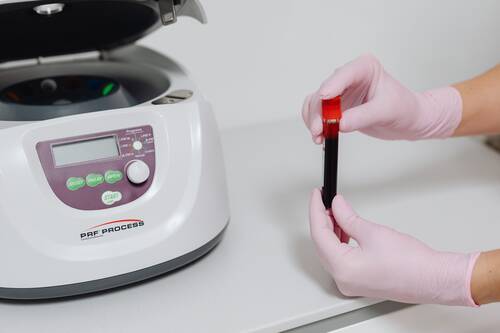
PRP, or platelet-rich plasma, is made by processing a small sample of your own blood to concentrate platelets before they are injected into the affected area. The aim is to use biological signals associated with healing and tissue repair.
But “knee pain” covers very different problems. Someone with early osteoarthritis is dealing with a different issue from someone with a fresh ligament injury, a meniscus problem, or pain caused mainly by poor movement mechanics.
That is why a useful first question is not “Does PRP work?” It is “What is actually causing my knee pain?” A diagnosis gives the treatment a target.
What PRP Can And Cannot Do
PRP is generally considered a treatment intended to support the body’s response to an injured or irritated area. It does not rebuild a damaged joint, and it should not be viewed as a replacement for every other form of knee treatment.
Research on PRP for knee conditions is still evolving. Some studies suggest it may reduce pain in mild to moderate knee osteoarthritis, while others show limited or no benefit, and differences in how PRP is prepared make studies difficult to compare. The AAOS (American Academy of Orthopaedic Surgeons) provides patient information on PRP and the ongoing research into its use.
One easy mistake is to judge PRP too quickly. If someone expects to return to running a few days after an injection, even a treatment that may have a role in their longer-term plan can feel unsuccessful.
Think instead in terms of the whole treatment plan. Activity modification, rehabilitation, strength work and gradual return to loading may still matter alongside an injection.
The Trade-Off Most People Miss
The tempting comparison is simple: injection versus no injection. The more useful comparison is often injection versus the time and effort required for a structured rehabilitation plan.
Suppose your knee hurts during squats but feels comfortable during everyday walking. An injection may seem attractive because it feels like a direct solution. Yet if weak hip and thigh muscles are contributing to how your knee is being loaded, improving strength and movement may be an important part of addressing the underlying problem.
The practical rule is this: if the suspected cause can be meaningfully changed through rehabilitation, do not treat an injection as the entire treatment plan.
Timing Can Change The Decision
When you have knee pain can matter almost as much as what you have. A new injury and a persistent condition should not automatically be approached in the same way.
For example, imagine a recreational runner whose knee becomes painful after increasing weekly mileage from 20 km to 35 km. The useful next step may be to identify why the knee became overloaded before deciding whether an injection belongs in the plan.
On the other hand, someone with persistent knee symptoms despite appropriate conservative treatment may have a different set of options to discuss. The decision should follow the diagnosis, previous treatment and individual goals rather than a fixed timetable.
Watch For Costly Assumptions
A common mistake is assuming that more PRP automatically means better treatment. Another is assuming that every clinic uses exactly the same preparation or injection approach.
There are several details worth clarifying before you proceed:
- What knee condition is being treated?
- What is the intended goal of the injection?
- How will the PRP be prepared and administered?
- What activity restrictions or rehabilitation are expected afterwards?
- What alternatives should be considered?
- What is the total cost, and is any of it covered by insurance?
These questions can prevent you from judging the treatment based only on the injection itself. A sensible decision also considers what happens before and after it.
Make The Decision Specific
There is no single PRP decision that applies to everyone with knee pain. The useful approach is to connect three things: the diagnosis, the treatment goal and what you have already tried.
If your main goal is to get back to a particular sport, for example, ask how the proposed treatment fits with your loading and rehabilitation plan. If daily activities are becoming difficult because of persistent knee symptoms, the conversation may focus on pain, function and the condition affecting the joint.
If you want to explore your options with an orthopaedic team, Centurion Orthopaedic Centre can be one place to discuss how the treatment fits your particular knee problem.
The most useful way to think about PRP is not as a shortcut for knee pain, but as one possible part of a broader treatment plan, chosen to match a clear diagnosis and supported by rehabilitation and realistic expectations.
For a broader overview of PRP costs and coverage, see this MedicalResearch.com overview of whether insurance covers PRP injections.
The information on MedicalResearch.com is provided for educational purposes only, and is in no way intended to diagnose, cure, or treat any medical or other condition. Some links are sponsored. MedicalResearch.com and Eminent Domains Inc. do not warrant or endorse products or claims made by third party links. Always seek the advice of your physician or other qualified health provider and ask your doctor any questions you may have regarding a medical condition. In addition to all other limitations and disclaimers in this agreement, service provider and its third party providers disclaim any liability or loss in connection with the content provided on this website.
Last Updated on October 1, 2026 by Marie Benz MD FAAD