
22 Oct What to Do Immediately After a Personal Injury Accident in Halifax
Legal and Medical Notice: This post provides general information about Nova Scotia and is not legal or medical advice. Reporting rules, deadlines, and insurance requirements can change and depend on your circumstances; confirm them with a lawyer licensed in Nova Scotia. If you are injured, seek medical care first. In an emergency, call 911. Reading this post does not create a lawyer-client relationship. Law firms named or linked in this post are not warranted or endorsed by MedicalResearch.com or Eminent Domains Inc.
A personal injury accident can upend your life in seconds. Whether it’s a car collision on Barrington Street, a slip on an icy sidewalk, or a workplace incident at a job site, the actions you take in the first minutes and hours shape both your health outcomes and your legal options.
Most people freeze. They don’t know who to call first, what to document, or how to protect themselves legally. But knowing what to do immediately after a personal injury accident in Halifax can make a real difference to the strength of a claim. Here are six steps to follow.
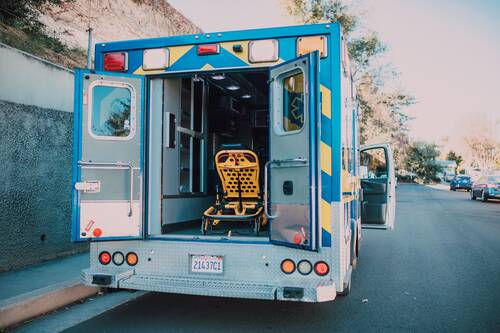
Photo by RDNE Stock project via Pexels
1. Ensure Your Safety and Call Emergency Services
Your first priority is your own physical safety and the safety of everyone else at the scene. If you’re in a vehicle, get it away from traffic when it’s safe. Don’t try to move anyone who looks seriously hurt unless they are in immediate danger, such as from fire or traffic, because spinal injuries can get much worse with unnecessary handling. Call 911 right away, even when injuries seem minor at first glance.
Emergency responders will assess conditions, deliver care, and generate an official record of what occurred. That record matters more than most people expect: it confirms the accident took place, establishes where it happened, and documents who was there.
Most people don’t realize how their actions in those first few minutes can affect a future compensation claim, something an experienced personal injury lawyer Halifax residents consult after an accident will walk you through at an initial meeting. Stay calm, don’t admit fault to anyone on scene, and wait for authorities before moving vehicles or disturbing any physical evidence, unless leaving them in place is unsafe.
2. Document the Scene Thoroughly
Once immediate safety is under control, document everything you can see. Use your phone to photograph and record the scene from multiple angles, capturing:
- The position of vehicles or the location of a hazard
- Visible injuries, road conditions, and signage
- Any broken steps, ice patches, or structural defects
- Relevant environmental factors like lighting or weather
Record exactly what happened while it’s still fresh in your mind; a voice memo works just as well as written notes. In a car accident, get the other driver’s license plate, insurance details, and contact information. If the injury happened on someone else’s property, note the address and identify the owner or manager.
Courts and insurance adjusters pay close attention to physical evidence gathered at the scene, and photos taken right away are usually more persuasive than descriptions written days after the fact. The more you capture right away, the stronger your footing when a claim is formally filed.
3. Collect Information From Witnesses
Witnesses are among the most valuable assets in a personal injury claim, and they’re easy to lose. People leave quickly. Memories fade fast. If bystanders saw what happened, approach them calmly and ask for a name and phone number. Don’t pressure anyone for an on-the-spot statement; just get their contact details and let a lawyer handle the formal process later.
A witness who saw an at-fault driver run a red light, or watched a property owner ignore a known hazard, can shift the outcome of a claim. In Nova Scotia, eyewitness testimony carries real weight in civil proceedings, especially where liability is disputed.
If someone filmed the incident on their phone, or if a nearby business has security cameras, note that immediately. Surveillance footage is often overwritten within days, so ask the business to preserve it as soon as possible, and let your lawyer know so a formal preservation request can be made if needed. Don’t assume someone else will track this down for you.
4. File an Official Report
Every personal injury accident in Halifax needs a paper trail. For car accidents, Nova Scotia law requires you to report a collision to police if there are injuries or if property damage exceeds a set dollar threshold (currently $2,000, according to the client). File the report promptly and keep a copy of the file number.
For workplace injuries, notify your employer in writing and file with the WCB (Workers’ Compensation Board of Nova Scotia) as soon as possible, since the Workers’ Compensation Act sets time limits for reporting.
For slip and fall incidents on private or commercial property, notify the property owner or manager in writing right away and keep a copy of that notification. Don’t rely on a verbal report. If the accident happened in a store or restaurant, ask for the manager and request that an incident report be completed before you leave. Keep every document you receive. Gaps in official records give insurers a reason to question whether the accident was as serious as you say, so be thorough from the beginning.
5. See a Doctor, Even If You Feel Fine Right Now
Adrenaline can mask pain. After an accident, you may feel completely fine at the scene and then develop serious symptoms hours or days later. Soft tissue injuries, whiplash, concussions, and certain internal injuries don’t always show up immediately. See a doctor the same day if at all possible, and go to the emergency department right away for warning signs such as a severe headache, confusion, repeated vomiting, chest or abdominal pain, numbness, or weakness.
If emergency services already took you to hospital, follow every discharge instruction and book a follow-up with your family physician or a specialist. Your medical records connect your injuries to the accident, and that connection is the foundation of any personal injury claim. A gap between the accident date and your first medical visit gives insurers grounds to argue that the injuries weren’t caused by the accident or weren’t serious.
Keep every receipt, prescription, and referral letter. Track your symptoms daily in a notebook or phone app, noting what activities the pain prevents you from doing. That consistent record becomes real evidence.
6. Talk to a Lawyer Before You Give Detailed Statements to Insurers
Insurance companies move fast after an accident. An adjuster may contact you within days, sometimes within hours, seeking a recorded statement. Many injured people assume they’re required to give one right away, but you generally don’t have to give a recorded statement to the other party’s insurer. Your own policy, however, may require you to report the accident promptly and cooperate, so notify your insurer of the basic facts and get advice before going further.
Anything you say in those early conversations can be used to minimize your claim or deny it outright. Many personal injury lawyers in Nova Scotia offer free initial consultations, so there’s often no cost to understanding your rights before you commit to anything. A lawyer can tell you what your claim may be worth, what evidence you still need, and how to handle communication with insurance companies.
In Nova Scotia, the Limitation of Actions Act generally gives you two years to file a civil claim, but certain exceptions apply, and some steps, such as insurance notices, need to happen much sooner. Don’t wait.
Conclusion
What you do right after a personal injury accident in Halifax shapes what your recovery actually looks like, financially, physically, and legally. Get medical care, document the scene, report through the right channels, and get legal advice before giving detailed statements to an insurer. The two-year limitation period sounds like plenty of time, but building a solid claim takes effort, and some evidence vanishes fast.
For a broader overview of the physical, financial, and long-term costs of injury, see this MedicalResearch.com overview of the hidden costs of personal injury and how to recover.
The information on MedicalResearch.com is provided for educational purposes only, and is in no way intended to diagnose, cure, or treat any medical or other condition. Some links are sponsored. MedicalResearch.com and Eminent Domains Inc. do not warrant or endorse products or claims made by third party links. Always seek the advice of your physician or other qualified health provider and ask your doctor any questions you may have regarding a medical condition. In addition to all other limitations and disclaimers in this agreement, service provider and its third party providers disclaim any liability or loss in connection with the content provided on this website.
Last Updated on October 22, 2026 by Marie Benz MD FAAD