
18 Nov What Your Eyes Can Reveal About Your Oral Health
Health Notice: This article is for general educational purposes only and is not a substitute for medical or dental advice. Seek emergency care right away for swelling or redness around the eye with fever, pain when moving the eye, bulging of the eye, double vision, or sudden vision changes, or for facial swelling with a dental infection or trouble swallowing or breathing. Do not stop or change prescribed medications without talking with your healthcare provider.
Editorial Notice: This content is not specific medical advice. Providers and practices mentioned in this article are not warranted or endorsed by MedicalResearch.com or Eminent Domains Inc.
You usually think of your eyes and your teeth as separate parts of your health routine. One gets eye drops and vision tests; the other gets floss and cleanings. In practice, the line is thinner than it looks.
Inflammation, diabetes, infections, medication side effects, and autoimmune disease can affect both systems at once. If you pay attention to the overlap, you can catch problems earlier and ask better questions at both appointments.
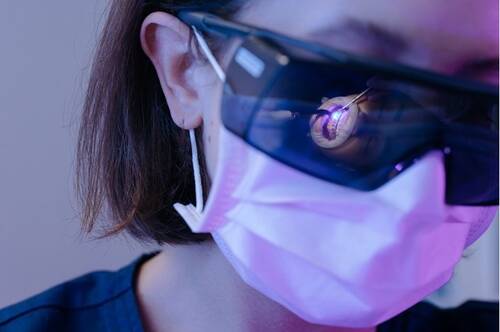
Photo by cottonbro studio via Pexels
Infections and Inflammation Don’t Always Respect Specialty Boundaries
The face is a crowded anatomical neighborhood. Sinuses, teeth, gums, nerves, blood vessels, and the orbit sit close together. A dental abscess can create referred pain near the eye. Sinus disease can produce pressure that feels dental. In rare cases, an infection from the sinuses or an upper tooth can spread to the tissues around the eye, causing orbital cellulitis, a serious condition that needs urgent treatment.
You don’t need to become your own diagnostician, but you do need to notice patterns. Swelling around one eye with facial pain, fever, tooth pain, or trouble opening your mouth isn’t something to monitor casually; it calls for same-day medical care. For less urgent symptoms, coordination matters. If you’re already working with a dentist in Staten Island NY and you develop facial symptoms that seem to blur dental and eye causes, sharing that timeline with both your dentist and your eye doctor can speed up the right referral path.
The Eye-Mouth Connection Is More Medical Than Cosmetic
If your gums bleed easily and your eyes often feel dry, those signs may seem unrelated. In some people, they may share an underlying driver, such as chronic inflammation or a systemic condition. Research suggests that oral bacteria and the inflammation of gum disease may affect immune activity and blood vessel health beyond the mouth.
That matters in eye care because many eye conditions involve inflammation of delicate tissues. Dry eye disease, uveitis, and retinal vascular changes may be harder to manage when systemic inflammation or an underlying disease is active. Your dentist and your eye doctor are looking at different tissues, but both may be reading parts of the same story. Seen that way, routine checkups stop feeling like separate chores and start looking like connected care.
Dry Eye Can Sometimes Point to Autoimmune Patterns That Also Affect Your Mouth
Dry eye isn’t always about too much screen time or sleeping with a fan on. In some cases, it’s tied to autoimmune conditions that reduce moisture production across multiple glands. Sjögren’s disease is one of the clearest examples. It can cause gritty, irritated eyes while also leaving you with a dry mouth, difficulty swallowing dry foods, and a higher risk of cavities. The NIDCR (National Institute of Dental and Craniofacial Research) describes Sjögren’s as an autoimmune disorder that reduces both tears and saliva.
That combination matters because saliva is a protective fluid. It buffers acids, helps control microbial growth, and supports enamel integrity. Tear film plays a similar protective role for the surface of the eye. When both are compromised, you’re more vulnerable to irritation, infection, and tissue damage. If you’ve been managing chronic dry eye and also notice new dental sensitivity or frequent thirst, it’s worth raising both symptoms together instead of treating them as separate annoyances.
Diabetes Often Shows Up in the Mouth and the Eyes
Diabetes is one of the strongest examples of whole-body disease crossing specialties. In the eyes, it can damage small blood vessels and lead to diabetic retinopathy, macular edema, fluctuating vision, and slower recovery after procedures. In the mouth, it can contribute to periodontal disease, delayed healing, dry mouth, and greater susceptibility to oral infections.
Many people don’t connect bleeding gums with blood sugar control. Periodontitis has a two-way relationship with diabetes: each condition can make the other harder to control. Eye doctors may detect blood vessel changes that suggest poorly controlled diabetes, while dentists may see gum inflammation that doesn’t respond normally to basic care. If either clinician raises concern, treating it as a body-wide issue rather than a single-site problem can help prevent more serious complications.
Medications Can Create Side Effects in Both Places at Once
Many common medications affect moisture, blood flow, and tissue response. Antihistamines, antidepressants, some acne treatments, some blood pressure drugs, and some ADHD medications can reduce saliva and tear production. You might notice dry, irritated eyes along with a sticky mouth, more plaque buildup, or bad breath that appears even when your brushing habits haven’t changed.
Steroids are another example. They can be very helpful, but long-term use may raise the risk of cataracts, glaucoma, and oral thrush (candidiasis) in certain settings. Even over-the-counter products can matter if you use them often. An accurate medication list helps both providers judge what’s disease-related and what’s drug-related. If you see both an eye specialist and a general dentist, bring the same updated list to both. That small habit makes your care less fragmented and more accurate.
Routine Exams Can Reveal Habits That Quietly Affect Both Systems
Lifestyle patterns often leave subtle marks in both the mouth and the eyes. Smoking can reduce tear quality, harm blood vessels, stain teeth, delay healing, and increase periodontal risk. Poor sleep can intensify dry eye symptoms, teeth grinding, and jaw tension. High-sugar diets can raise cavity risk while also complicating metabolic control that can eventually affect retinal health.
Screen-heavy routines add another layer. When you stare at devices, you blink less, which destabilizes the tear film and can worsen eye surface irritation. At the same time, energy drinks and constant snacking often bring prolonged acid and sugar exposure for your teeth. These aren’t dramatic habits, which is partly why they’re easy to miss. The damage builds through repetition. Regular exams help detect small changes before they become problems that take far longer to manage.
Better Questions Lead to Better Cross-Specialty Care
You don’t need your eye doctor to become your dentist or your dentist to interpret retinal imaging. You do need each visit to reflect the fact that your body is one connected system. That starts with better questions. Mention dry mouth when discussing dry eye. Mention new blurred vision if you’ve also had poorly controlled diabetes or gum disease. Ask whether a medication could explain both sets of symptoms.
Good clinicians usually welcome details that improve clinical context. If one provider notices a pattern, bring it to the other rather than assuming it’s irrelevant. That habit is especially useful for autoimmune disease, diabetes, chronic inflammation, and medication side effects. The goal isn’t to medicalize every symptom. It’s to stop missing links that are clinically meaningful. When you connect those dots early, your routine care becomes much more effective.
For a broader overview of oral health and the rest of the body, see this MedicalResearch.com overview of the mouth-brain connection.
The information on MedicalResearch.com is provided for educational purposes only, and is in no way intended to diagnose, cure, or treat any medical or other condition. Some links are sponsored. MedicalResearch.com and Eminent Domains Inc. do not warrant or endorse products or claims made by third party links. Always seek the advice of your physician or other qualified health provider and ask your doctor any questions you may have regarding a medical condition. In addition to all other limitations and disclaimers in this agreement, service provider and its third party providers disclaim any liability or loss in connection with the content provided on this website.
Last Updated on November 18, 2026 by Marie Benz MD FAAD