
22 Nov How a Car Accident Chiropractor Can Help You Recover After a Collision
A car accident can leave you dealing with more than vehicle damage. Even a seemingly minor collision can place significant stress on your neck, back, muscles and joints. While some injuries cause immediate discomfort, others may take hours or days before symptoms become noticeable.
Seeking an appropriate medical evaluation after an accident is important, even if you initially feel fine. Once serious injuries have been ruled out, some people with ongoing musculoskeletal pain or stiffness consider chiropractic care as part of their recovery.
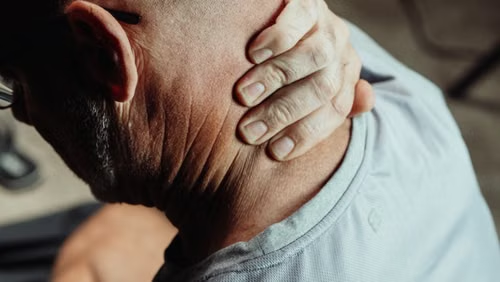
Photo by Kindel Media via Pexels
For people experiencing musculoskeletal pain or mobility issues, a car accident chiropractor may be one part of a coordinated recovery plan. Proactive Chiropractic and Rehab Center in Charlotte, NC, says it provides individualized care focused on evaluating accident-related injuries and supporting recovery. The NCCIH (National Center for Complementary and Integrative Health) summarizes what research shows about the benefits and risks of spinal manipulation.
Common Injuries After a Car Accident
The force generated during a collision can affect different parts of the body. Some injuries involve muscles and soft tissues, while others affect the spine, joints or nerves. Here are several conditions that may develop after a car accident.
Whiplash
Whiplash commonly occurs during rear-end collisions when the head and neck move rapidly backward and forward. This sudden movement can strain the muscles and other soft tissues in the neck. Common symptoms include neck pain, stiffness, headaches, shoulder discomfort and reduced range of motion. Symptoms may not appear immediately, which is why monitoring how you feel after an accident is important.
Herniated Discs
The impact of a collision can injure the spinal discs, which help cushion the vertebrae. A herniated disc occurs when disc material extends beyond its normal boundaries and may irritate nearby nerves. Depending on its location, a herniated disc can cause back or neck pain, numbness, tingling, or discomfort that travels into the arms or legs.
Soft Tissue Injuries
Muscles, ligaments and tendons can become strained during a collision. These injuries may cause soreness, swelling, stiffness and difficulty performing everyday activities. Because soft tissue injuries are not always visible, a physical examination can help determine the extent of the problem and guide appropriate treatment.
Nerve-Related Symptoms
Some accident injuries can irritate or compress nerves. Patients may experience radiating pain, tingling, numbness or weakness in different areas of the body. New or worsening neurological symptoms should be evaluated promptly by a medical professional.
What Should You Do After a Car Accident?
Knowing what to do after a collision can help protect your health and make the recovery process more manageable.
1. Prioritize Safety and Medical Attention
Check whether everyone is safe and contact emergency services when necessary. Seek immediate medical attention for serious symptoms, including severe pain, difficulty breathing, loss of consciousness, significant weakness, or suspected head, neck or spinal injuries. Even if you feel relatively normal, arrange an appropriate medical evaluation, because some injuries may not produce noticeable symptoms immediately.
2. Contact Your Insurance Company
Once your immediate medical needs have been addressed, contact your insurance provider to understand the claims process and the information required. Keep copies of accident reports, medical records, bills and other relevant documentation.
3. Follow Up With Appropriate Healthcare Providers
Depending on your symptoms and examination findings, you may benefit from care involving different healthcare professionals, such as your primary care doctor, a physical therapist or a specialist. A chiropractor can evaluate certain musculoskeletal concerns and determine whether chiropractic treatment is appropriate. However, suspected fractures, serious spinal injuries and other urgent conditions must be medically evaluated before manual treatment is considered.
4. Understand Your Legal Options
If you believe another party was responsible for the collision, consider speaking with a qualified personal injury attorney, who can explain your legal options and the claims process.
How Can a Car Accident Chiropractor Help?
After serious injuries have been ruled out or appropriately addressed, chiropractic care may help some patients manage musculoskeletal symptoms following a collision. A chiropractor evaluates the spine, joints, muscles and movement patterns to identify areas that may need attention. Research on spinal manipulation is strongest for low-back pain; evidence for whiplash-related neck pain is more limited, so treatment often combines manual care with exercise and gradual return to activity.
Proactive Chiropractic and Rehab Center says its treatment plans are personalized according to each patient’s condition and examination findings. Depending on the individual’s needs, the clinic’s services may include:
- Chiropractic adjustments: used when clinically appropriate to address certain joint and musculoskeletal concerns.
- Spinal decompression therapy: offered for selected patients with disc-related symptoms.
- Dry needling: may be used to address certain muscle-related complaints.
- Electrical therapy: used as an option for managing muscle discomfort and tension.
- Stretching and strengthening exercises: designed to support mobility, flexibility and physical rehabilitation.
Not every treatment is appropriate for every injury, and the strength of research evidence varies between these approaches. The recommended plan should depend on a proper evaluation, the patient’s medical history and the nature of the accident-related condition. Ask your provider what results to expect and when to reassess if symptoms are not improving.
What to Expect During Your Recovery
Recovering from a car accident is not always a straightforward process. The type of injury, its severity and the patient’s overall health can all influence the recovery plan. A typical process includes several steps.
Comprehensive Assessment
The first step involves reviewing the accident history, discussing symptoms and performing an appropriate physical examination. This helps the provider understand the patient’s concerns and determine whether additional medical evaluation is necessary.
Imaging When Appropriate
Imaging may be recommended when clinically indicated. Depending on the suspected injury, this may involve X-rays or a referral for advanced imaging such as an MRI.
Treatment Planning
Once the patient’s condition has been evaluated, the provider can recommend an individualized treatment plan. The plan may involve chiropractic care, therapeutic exercises or other appropriate services, including referral to other clinicians when needed.
Documentation and Progress Monitoring
Accurate medical records help track symptoms, treatment recommendations and changes in physical function. Follow-up evaluations allow the care team to assess progress and adjust the plan when needed.
Frequently Asked Questions About Chiropractic Care After a Car Accident
Should I See a Chiropractor Even If I Don’t Feel Pain?
You should seek an appropriate medical evaluation after a collision, even if you do not immediately notice symptoms. Some injuries become apparent later. A healthcare professional can help determine whether further evaluation or treatment is necessary.
Can a Car Accident Chiropractor Treat Whiplash?
Chiropractors may provide care for certain musculoskeletal symptoms associated with whiplash after an appropriate evaluation. Treatment may include selected manual techniques and rehabilitation exercises. However, patients with suspected cervical spine injuries or serious neurological symptoms need medical assessment before chiropractic manipulation.
Do I Need an MRI After a Car Accident?
Not everyone involved in a car accident needs an MRI. Imaging decisions depend on the patient’s symptoms, examination findings and suspected injuries. A healthcare professional can determine whether an X-ray, MRI or another diagnostic test is appropriate.
Does Auto Insurance Cover Chiropractic Care?
Coverage depends on the insurance policy, applicable state laws and the circumstances of the accident. Some patients may have coverage through medical payments coverage, personal injury protection or an applicable liability claim. Before beginning treatment, verify your benefits and ask the provider about expected costs and billing arrangements. Do not assume that another driver’s insurance will automatically cover every treatment expense.
What Is the Difference Between Chiropractic Care and Physical Therapy?
Chiropractic care may involve manual techniques and other approaches to address certain joint and musculoskeletal concerns. Physical therapy generally emphasizes movement, therapeutic exercise, strength, balance and functional rehabilitation. Some recovery plans incorporate both approaches when appropriate. The best option depends on the patient’s diagnosis, symptoms and individual treatment goals.
Getting Support for Car Accident Recovery in Charlotte, NC
Car accident injuries can affect your ability to work, exercise, sleep and complete everyday activities. Getting an appropriate evaluation and following a treatment plan based on your specific condition can help you take informed steps toward recovery.
For people in Charlotte with neck pain, back discomfort, stiffness or other musculoskeletal symptoms after a collision, Proactive Chiropractic and Rehab Center offers chiropractic and rehabilitation services. As with any provider, discuss your symptoms, verify your insurance benefits and ask whether its services are appropriate for your recovery.
For a broader overview of injury research, see this MedicalResearch.com overview of whiplash and neck pain treatment.
The information on MedicalResearch.com is provided for educational purposes only, and is in no way intended to diagnose, cure, or treat any medical or other condition. Some links are sponsored. MedicalResearch.com and Eminent Domains Inc. do not warrant or endorse products or claims made by third party links. Always seek the advice of your physician or other qualified health provider and ask your doctor any questions you may have regarding a medical condition. In addition to all other limitations and disclaimers in this agreement, service provider and its third party providers disclaim any liability or loss in connection with the content provided on this website.
Last Updated on November 22, 2026 by Marie Benz MD FAAD