Cerebral Palsy

Pediatric Care Notice: This article is for general education and is not a substitute for individualized care from your child's medical team. Call 911 or your local emergency number for a seizure lasting more than five minutes, breathing difficulty, or a sudden change in alertness. Do not start, stop, or change your child's medications, therapy exercises, or equipment without guidance from their physician or therapist. Transportation and other providers linked here are not warranted or endorsed by MedicalResearch.com or Eminent Domains Inc.

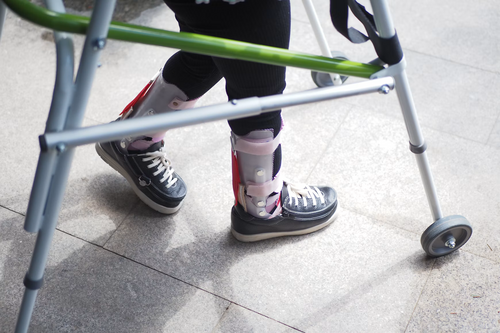
Cerebral palsy (CP) is a neurological condition caused by disruptions in early brain development or by injury to the developing brain. Although complications during pregnancy or childbirth are among the possible causes, researchers are increasingly examining the role of genetics. A 2026 study published in The American Journal of Human Genetics examined 460 children with CP through genome sequencing. Researchers identified pathogenic or likely pathogenic genetic variants in 15.8% of them. [caption id="attachment_76516" align="aligncenter" width="500"]managing-motor-function-cerebral-palsy Unsplash image[/caption]

Patient Lift Safety Notice: Improper use of patient lifts can lead to falls and serious injury. Ask a physical or occupational therapist or other qualified professional to assess which lift and sling are appropriate, and make sure every caregiver is trained before using the equipment. Always follow the manufacturer's instructions and weight limits, and use two caregivers when the manufacturer or care plan calls for it. This content is not specific medical advice, and equipment suppliers mentioned or linked here are not warranted or endorsed by MedicalResearch.com or Eminent Domains Inc.

Mechanical patient lifts play an essential role in improving safety, comfort, and independence for people with limited mobility. Whether they're used in private homes, assisted living communities, rehabilitation centers, or hospitals, these devices reduce the physical strain of transfers while minimizing the risk of injury for both patients and caregivers. With several lift designs available, understanding the different types of mechanical lifts for patients makes it easier to choose the right solution for a person's mobility needs, level of support, and living environment. [caption id="attachment_76534" align="aligncenter" width="500"]mobility-lifts-pexels Pexels[/caption]