
01 Jun Merging Integrative Medicine and Mental Health: The Holistic Healing Source Produces Free Community Breakfast to Promote Comprehensive Wellness in Oppressed Populations
Editor’s note: This piece discusses mental health issues. If you have experienced suicidal thoughts or have lost someone to suicide and want to seek help, you can contact the Crisis Text Line by texting “START” to 741-741 or call the Suicide Prevention Lifeline at 800-273-8255.
Recent epidemiological data underscore severe public health disparities among underserved demographics. African Americans and Hispanics consistently demonstrate lower rates of mental health service utilization compared to Whites, despite experiencing similar or higher prevalence of trauma, stress, and crisis. Furthermore, LGBTQ+ populations, especially gay men and trans people, consistently demonstrate high rates of mental health need and suicide attempts. Further marginalization based on income, gender, disability, and education levels also exacerbate these gaps.
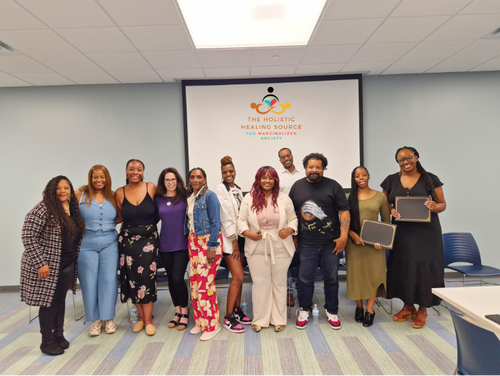
In response to these alarming statistics, The Holistic Healing Source for Marginalized Society recently convened The 2026 Free Community Mental Health Breakfast. By merging integrative medicine with community-level mental health advocacy, the symposium aimed to promote comprehensive wellness and immediately accessible resources for vulnerable groups.
The Ambient Trauma of Systemic Oppression
Dr. Calynn Lawrence, a doctorally prepared pastoral counselor and multi-board-certified trauma specialist, presented on the clinical paradigm of “Whole-Person Recovery”. Drawing from her lived experience as a Black woman living with Major Depressive Disorder, and a survivor of intimate partner violence, alcoholism, sexual assault, and suicide, Dr. Lawrence posited that for marginalized demographic groups, systemic oppression operates as an “ambient trauma”. She highlighted that these populations frequently endure complex psychological storms, including poverty trauma, human rights violations, and prolonged grief. To achieve true, optimal peace, Dr. Lawrence emphasized the clinical necessity of treating the whole person by addressing the mind, body, and Spirit in unison.
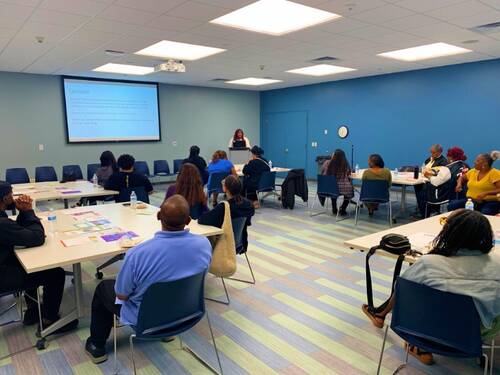
Psychosocial Constructs of Self-Love
Further exploring actionable coping mechanisms, Dawn Smith, M.Psych, a Board Certified Holistic Mental Health Specialist, delivered a session focused on “Self Love”. Smith, who is also a survivor of assault and suicide, defined self-love as a lifelong assignment that requires individuals to consistently tend to their physical, mental, and emotional needs. Reconceptualizing the term away from narcissism, Smith argued that “self love is not vanity it is sanity”. She identified several structural and psychosocial barriers that impede marginalized individuals from completing this assignment, including unresolved past trauma, a profound fear of breaking established sociocultural molds, and the tendency to function as a “people pleaser” to one’s own detriment.
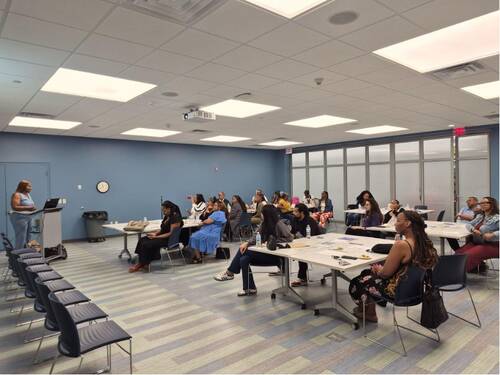
A Powerful Panel Pulling from Personal and Professional Experience
The event was elevated by the invaluable insights and courageous vulnerability of an esteemed panel of experts, whose collective wisdom navigated some of the most sensitive psychosocial crises of our time. Featuring a multidisciplinary coalition of leaders — including psychiatric nurse practitioner Jasmin Ford, APRN, MSN, PMHNP-BC; counselor Dr. Robina Wright-Alexander; human services leaders A’Shonti McKinney and Nikhaule Martin, BPH; social services expert Brenda Stewart; NAMI Illinois Board Member David Chappell, MA, MNLM; media personalities Rob Mayfield and Delois Dean; and human rights activist Mara Lynne — the discussion deftly bridged the gap between clinical, practical, and organizational perspective.
This remarkable group tackled deeply complex subjects with notable empathy and expertise, addressing domestic violence, human trafficking, suicide, substance abuse, community trauma, veteran care, and parenting. By synthesizing their unique professional acumen with raw, authentic narratives, the panelists not only dismantled pervasive stigmas surrounding these critical public health issues but also provided culturally competent, actionable frameworks for community healing and resilience.
Resource Mobilization and Accessible Interventions
Beyond educational discourse, the event successfully mobilized financial resources, raising several hundred dollars to support NAMI Illinois. NAMI Illinois provides a plethora of completely free and confidential in-person and virtual support groups, alongside exceptional educational programming; last year alone, the organization served over 90,000 individuals across diverse demographics.
Additionally, the event highlighted the robust, accessible digital advocacy content and resources provided by The Holistic Healing Source. As a globally accredited educator through the IPHM Board, the organization provides a free, award-winning library of mental health-focused, spiritually informed self-help e-books. Featuring workbooks, journals, and planners specifically designed for trauma processing and holistic self-care, the virtual library serves as a vital clinical adjunct and has earned the Pen Masters Global Excellence in Nonfiction Award for Mental Health and the National Honor Alliance Literary Award for Self Help.
According to the Substance Abuse and Mental Health Services Administration, racial, ethnic, and socioeconomic disparities in mental health service access remain a critical public health challenge, with culturally competent community-based interventions playing a vital role in closing these gaps.
For more on how mental health disparities affect underserved communities, see MedicalResearch.com’s mental health research coverage.
Conclusion
By intersecting clinical knowledge, lived experience, and immediate community funding, the breakfast illustrated that comprehensive wellness requires multifaceted, culturally competent interventions. In populations where systemic inequity continues to drive severe psychological distress, the integration of holistic medicine and easily accessible self-help tools remains a critical public health imperative. The Holistic Healing Source for Marginalized Society is admirably leading the charge in advocating for whole-person wellbeing in a space that is often not designed or suited for people enduring multiple levels of systemic inequity and oppression.
Disclaimer: The information on MedicalResearch.com is provided for educational purposes only, and is in no way intended to diagnose, cure, or treat any medical or other condition. Some links are sponsored. Products, services and providers are not warranted or endorsed by MedicalResearch.com or Eminent Domains Inc. Always seek the advice of your physician or other qualified health and ask your doctor any questions you may have regarding a medical condition. In addition to all other limitations and disclaimers in this agreement, service provider and its third party providers disclaim any liability or loss in connection with the content provided on this website.
Last Updated on June 1, 2026 by Marie Benz MD FAAD