#clinicoperations Tag

Editorial Notice: This article is general information for clinic staff and does not replace CDC guidance, vaccine manufacturers' instructions, or the requirements of your state or local immunization program. Products and companies named or linked in this article are not warranted or endorsed by MedicalResearch.com or Eminent Domains Inc.

Nobody plans for the morning a nurse opens the vaccine refrigerator and sees a reading that looks wrong. The stock inside is costly to replace and slow to reorder, and temperature excursions can compromise the safety and efficacy of temperature-sensitive inventory. Heading into the holiday closures of late 2026, when staffing is thin and weekends run long, that moment is worth rehearsing before it arrives.

This guide covers the first hour of a response, how to document it, and how to lower the odds of a repeat. It is written for practice managers, nurse leads and pharmacy staff rather than engineers.

[caption id="attachment_77046" align="aligncenter" width="500"]vaccine-refrigeration-issues Pexels[/caption]

Safety Notice: In the United States, clinics should use only FDA-approved dermal fillers obtained through authorized distribution channels. The FDA warns that unapproved fillers sold online may be counterfeit, contaminated or improperly stored. Products approved in other countries are not necessarily approved for use in the U.S. Dermal fillers should be injected only by licensed, trained providers. Report suspected counterfeit products or adverse events to the FDA through MedWatch.

Editorial Notice: This article is for general information and is not legal, regulatory or medical advice. Suppliers and companies named or linked in this article are not warranted or endorsed by MedicalResearch.com or Eminent Domains Inc.

Aesthetic clinics increasingly source dermal fillers through wholesale channels, but not every supplier gives buyers the verification tools they actually need before a shipment goes into a patient.

Wholesale purchasing has become the standard model for aesthetic clinics stocking injectable fillers, mainly because it brings per-unit costs down enough to matter on a practice's margins. But the shift toward bulk, multi-brand ordering has also made supply-chain verification a bigger part of a clinic's due diligence than it used to be.

It's Monday morning, the doors have just opened and six patients are standing in a line that runs back toward the entrance. Your front desk team is answering the phone, checking insurance and spelling names out loud. A tablet check-in can take some of that load, but only if it fits the way people actually move through your building.

Clinics that rush the tablet into a corner often end up with a second line in front of it. Planning the arrival route first, then the tablet's job, then the hardware, gives you a check-in that patients can use without help and staff can trust.

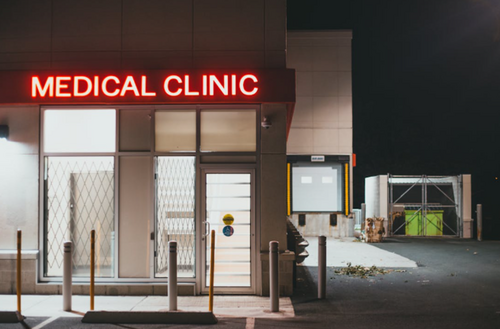
[caption id="attachment_73809" align="aligncenter" width="500"]Well-Run Clinic Image source[/caption]

What Patients Actually Notice About a Well-Run Clinic

Most patients form an opinion about a clinic within the first few minutes of arriving. They notice whether the front desk feels organized, whether staff members seem calm, and whether the visit feels smooth or stressful. For many people, healthcare appointments already come with anxiety. A confusing check-in process or poor communication adds to that frustration quickly. Patients rarely think about operations, staffing systems, or scheduling workflows. They focus on experience. They remember long waits without updates, rushed conversations, and unanswered phone calls. They also remember clinics where things felt easy, respectful, and well managed. A well-run clinic creates confidence before treatment even begins, and small details shape patient trust far more than many practices realize.