20 Oct Can AI Replace Human Touch in Healthcare? The Future of Physical Therapy and Massage
Editorial Notice: This post is for general information only and is not medical or career advice. Requirements for healthcare training and licensure vary by state. In the U.S., physical therapist assistants must generally graduate from a CAPTE-accredited program and pass a licensing exam, and massage therapy licensing rules differ from state to state. Before enrolling in any program, confirm its accreditation and whether it meets the licensing requirements where you plan to work. Programs named or linked in this post are not warranted or endorsed by MedicalResearch.com or Eminent Domains Inc.
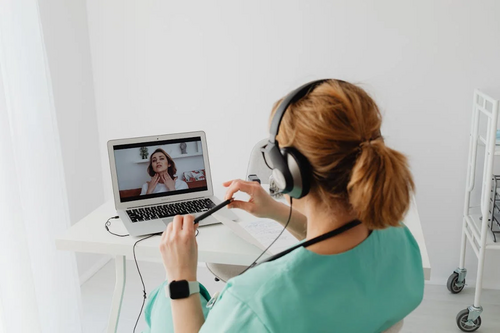
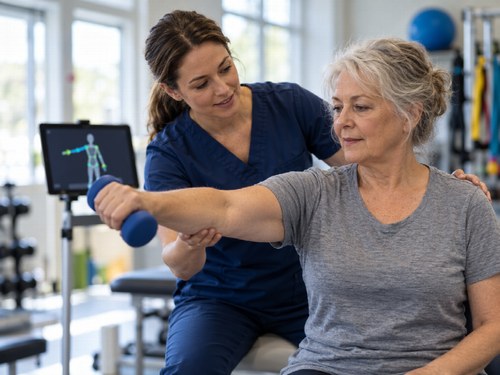
Imagine visiting a rehabilitation clinic where artificial intelligence analyzes your movements, identifies potential problems, and recommends exercises within seconds. A digital assistant tracks your recovery, while sophisticated software adjusts your treatment plan.
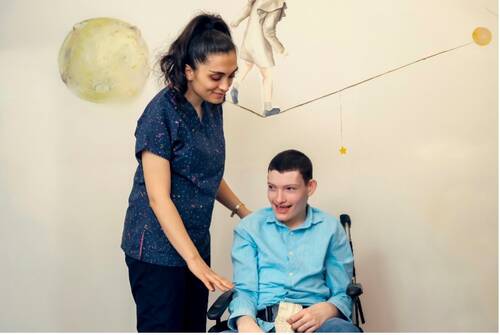
Now imagine that same system trying to recognize your hesitation, understand your fear of reinjury, or reassure you during a painful recovery.
This is where the future of healthcare becomes complicated.
Artificial intelligence is transforming how healthcare professionals assess patients, monitor progress, and deliver treatment. Physical therapy and massage therapy are increasingly encountering technologies that promise greater precision, efficiency, and accessibility.
But an important question remains: Can technology truly replace the human touch that makes rehabilitation effective?
The answer may reveal more about the future of healthcare careers than the technology itself.