#hyperbaricoxygen Tag

Burn Safety Notice: For immediate first aid, cool a burn under cool (not ice-cold) running water for about 20 minutes, remove rings or tight items nearby, and cover it loosely with a clean, non-stick dressing. Do not apply ice, butter, oils or toothpaste, and do not break blisters. Call 911 or go to the emergency room for burns that are large, deep, white, leathery or charred; burns to the face, hands, feet, genitals or major joints; chemical or electrical burns; burns with smoke inhalation or difficulty breathing; and burns in infants, young children or older adults. Treatments described here are performed or prescribed by healthcare professionals. This post is for general information only. Providers linked in this post are not warranted or endorsed by MedicalResearch.com or Eminent Domains Inc.

Burns are among the most common types of injuries, as people are likely to sustain them anywhere. Exposure to flames or hot liquids in the kitchen, chemical substances at work, or extreme radiation can result in a burn injury. Most times, these events are unexpected and often cause severe bodily harm when multiple layers of the skin are affected.

Depending on the impact of the accident and severity of the injury, one can suffer a first, second, third, or fourth degree burn. The extent of damage mostly determines the treatment method that healthcare professionals use. Keep reading to learn about 5 effective medical procedures for treating burns.

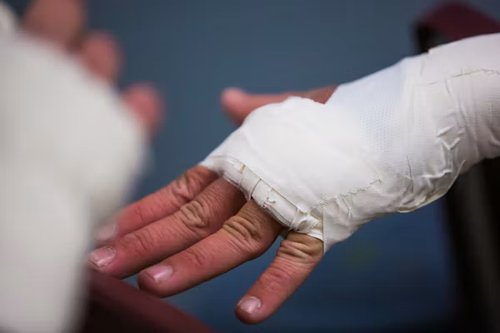
[caption id="attachment_76625" align="aligncenter" width="500"]Photo courtesy of <a href="https://unsplash.com/photos/person-with-white-bandage-on-hand-mRWfY_CgDBw" target="_blank" rel="noopener noreferrer" style="color:#1a7abf;">Unsplash</a> Photo courtesy of Unsplash[/caption]
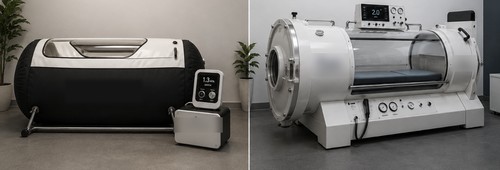
hyperbaric-oxygen-at-home-image.jpg Hyperbaric Oxygen Therapy (HBOT) involves breathing air or oxygen in an environment with increased atmospheric pressure, typically inside a specialized chamber. This enhanced pressure enables your blood to carry significantly more oxygen, dramatically boosting your body's natural ability to heal, repair tissues, reduce inflammation, and improve overall health. Home-based HBOT is increasingly popular due to the availability of portable chambers that are both convenient and more affordable. Many individuals prefer taking proactive control of their health without the restrictions associated with clinical visits. In this article, we'll highlight the key advantages of having your own hyperbaric oxygen chamber, including improved recovery, better sleep, chronic pain relief, cognitive benefits, enhanced athletic performance, anti-aging effects, and stronger immunity.

brainspa-hypperbaric In recent years, Hyperbaric Oxygen Therapy (HBOT) has become more accessible than ever—not only through clinics but now directly in people’s homes. Originally developed as a hospital-based treatment, HBOT involves breathing air or oxygen in a pressurized environment to enhance the body’s natural healing processes. This treatment boosts oxygen delivery to tissues, reduces inflammation, and supports overall wellness.

With the increasing availability of home-use hyperbaric chambers, individuals are now exploring the benefits of consistent therapy in a private, familiar setting. So, what makes home HBOT such a valuable option?

What Is Home Hyperbaric Oxygen Therapy?

Home hyperbaric oxygen chambers are portable, pressurized enclosures that allow users to undergo HBOT in a non-clinical setting. Unlike hospital-grade units that may reach pressures of up to 3 ATA (atmospheres absolute), home models typically operate at milder ranges of 1.3–1.5 ATA—yet this level is still highly effective for many therapeutic goals.

These units pressurize ambient air, and for those who want an added boost, an oxygen concentrator can be attached. This dual setup makes it possible to tailor the therapy depending on the user's health goals.

[caption id="attachment_64361" align="aligncenter" width="500"]hyperbaric-oxygen-therapy Source[/caption] Do you need to find a way to stop feeling stressed and anxious all the time? Nowadays, it seems like everyone is constantly feeling overwhelmed for a number of different reasons. Your mental and physical health should always be a priority, and many innovations are being implemented to combat stress and anxiety—one of which is Hyperbaric Oxygen Therapy (HBOT). Could hyperbaric oxygen therapy be the solution to reducing your stress and anxiety levels? In this article, we’ll dive into what hyperbaric oxygen therapy is and the benefits it presents, which can help you to better manage the stress and anxiety you’re feeling.

Oxygen therapy has come a long way since its early days. Initially, it was a simple and somewhat limited treatment. Today, it’s a sophisticated field with a range of innovative technologies improving patient care. This article explores the latest advancements in oxygen therapy and how they are reshaping patient outcomes.

Historical Context of Oxygen Therapy

Oxygen therapy began as a crucial intervention for treating respiratory conditions. Early on, it was used primarily in hospitals with basic equipment, often involving cumbersome tanks and limited delivery systems. As technology progressed, so did the methods of oxygen delivery. In the past, oxygen was administered mainly through large, stationary tanks. These setups were not always practical for patients needing ongoing therapy at home. The early technologies had significant limitations, including bulkiness and high costs. The evolution from these basic methods to more sophisticated systems marks a significant shift in patient care.]